
Introduction
Japanese cuisine is celebrated worldwide for its delicate flavors, meticulous presentation, and emphasis on fresh, seasonal ingredients. Whether you’re a seasoned foodie or just starting to explore Asian flavors, understanding the core principles behind Japanese cooking can enrich your dining experience and your health. In this article, we’ll explore the benefits of eating Japanese food, highlight some of its most beloved dishes, and share practical tips for bringing authentic Japanese flavors into your own kitchen.

Benefits of Japanese Food
1. Nutrient‑Dense Ingredients
Japanese meals often feature a wide array of vegetables, seaweed, and fish—all sources of essential vitamins, minerals, and antioxidants. For example, a bowl of miso soup contains fermented soybeans, which provide probiotics for gut health, while pickled daikon offers vitamin C and potassium. Seaweed such as kombu and wakame is rich in iodine, helping to support thyroid function.
2. Low in Saturated Fat and Calories
Traditional Japanese dishes prioritize lean proteins and plant‑based components over heavy sauces and fried items. A typical sushi roll contains only a few grams of saturated fat, and many sashimi dishes provide high‑quality omega‑3 fatty acids from fresh fish, contributing to heart health and improved cholesterol profiles.
3. Mindful Eating and Portion Control
The Japanese culinary philosophy emphasizes balance, with meals often structured around the concept of harmony—combining textures, flavors, and colors in a single dish. This approach naturally encourages portion control and mindful eating, reducing the likelihood of overeating and supporting weight management.
4. Cultural Connection and Mental Well‑Being
Engaging with Japanese food culture—whether through the ritual of tea ceremonies or the artful plating of kaiseki—can foster a sense of mindfulness and appreciation. These practices help lower stress and improve mental well‑being, making meals a source of both nourishment and serenity.
Popular Japanese Dishes to Try
Sushi and Sashimi
Sushi—vinegared rice paired with fish, vegetables, or egg—offers versatility and portability. Sashimi, thinly sliced raw fish served with soy sauce and wasabi, showcases the freshness of the ingredients. For beginners, a simple nigiri or a maki roll with cucumber and avocado is a gentle introduction.
Ramen
Ramen is a hearty noodle soup that varies by region. Tonkotsu ramen uses a pork bone broth, while shoyu ramen offers a soy‑based flavor. Adding toppings like soft‑boiled egg, bamboo shoots, and sliced pork provides texture and depth.
Tempura
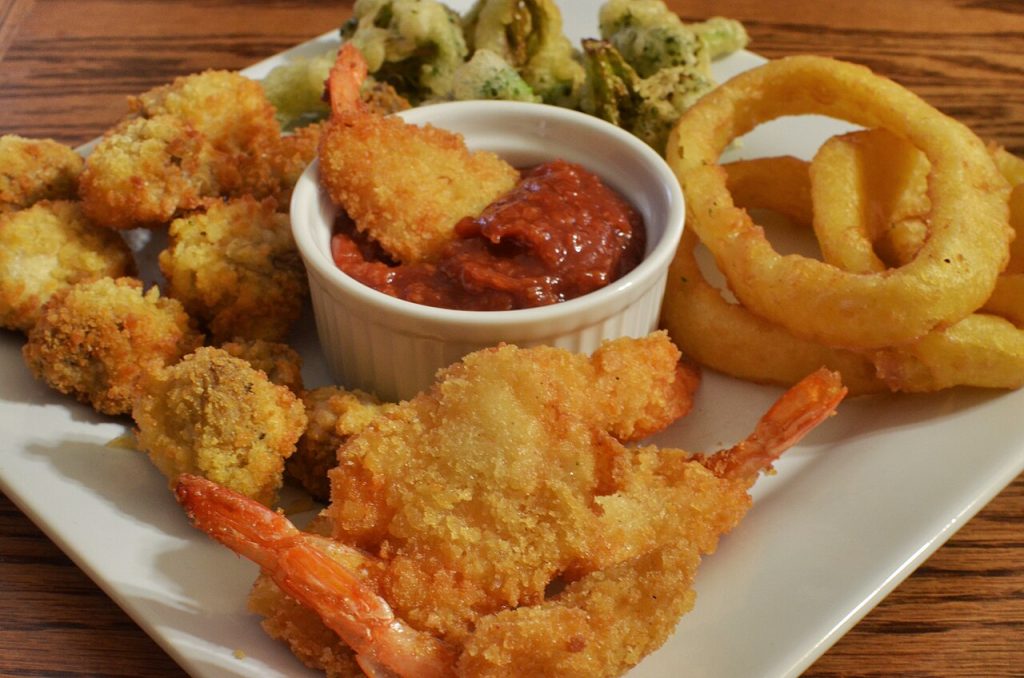
Tempura features lightly battered seafood or vegetables, fried to a crisp. The batter is typically made from cold water and flour, keeping the coating airy and delicate. Classic options include shrimp, sweet potato, and green beans.
Kaiseki
Kaiseki is a multi‑course meal that showcases seasonal produce and meticulous preparation. Each dish is served in a specific order, allowing diners to experience a spectrum of flavors—from raw to simmered to grilled. Although kaiseki is traditionally reserved for special occasions, many modern restaurants offer simplified versions for everyday enjoyment.
Practical Tips for Eating Japanese at Home
Source Fresh, Seasonal Ingredients
When cooking Japanese dishes, prioritize fresh fish, seasonal vegetables, and high‑quality rice. Local Asian markets or reputable online suppliers can provide sashimi‑grade fish and specialty items like nori sheets, shiso leaves, and matcha powder.
Master Basic Techniques
Invest time in learning foundational skills: how to cook rice to the right texture, how to temper soy sauce with mirin, or how to make a simple dashi broth. A few well‑executed techniques can elevate even the simplest dish.
Explore Regional Variations
Japanese cuisine is not monolithic; each region has its own specialties. For instance, Osaka is famous for takoyaki (octopus balls), while Hokkaido offers fresh seafood and dairy. Trying regional recipes keeps meals exciting and introduces you to diverse flavor profiles.
Use Umami‑Boosting Ingredients
Umami—the savory fifth taste—can be amplified with ingredients like kombu, bonito flakes, miso paste, and fermented soy sauce. A splash of these at the right moment can deepen the flavor of soups, sauces, and even simple stir‑fries.
Conclusion
Japanese food is more than a collection of dishes; it’s a philosophy that values freshness, balance, and mindful preparation. By embracing its nutritional benefits, exploring iconic meals, and applying practical cooking tips, you can create authentic Japanese experiences in your own kitchen. Whether you’re looking for a light, nutrient‑rich lunch or a comforting bowl of ramen after a long day, Japanese cuisine offers a world of flavors that nourish both body and soul.