
Introduction
Thai cuisine is celebrated worldwide for its balance of sweet, sour, salty, and spicy notes. Whether you’re a seasoned traveler or a first‑time foodie, the sheer variety can be intimidating. This guide breaks down the essentials of Thai cooking, highlights signature dishes, and offers practical tips to help you pick the perfect meal for your palate.
Understanding Thai Cuisine
At its core, Thai food relies on five fundamental taste profiles:
- Sour – lime juice, tamarind, or fermented papaya.
- Sweet – palm sugar, coconut milk, or ripe mango.
- Salty – fish sauce, soy sauce, or anchovy paste.
- Umami – fermented shrimp paste, dried anchovies, or mushroom stock.
- Spicy – fresh chilies, chili paste, or chili oil.
These flavors are layered to create depth, often within a single dish. Recognizing the balance helps you anticipate how a dish might taste before you even take a bite.

Key Ingredients to Know
Familiarity with staple ingredients can guide your choices:
- Coconut milk – adds creaminess, common in curries and soups.
- Fish sauce – the salty backbone of many stir‑fries and sauces.
- Fresh herbs – lemongrass, kaffir lime leaves, cilantro, and basil bring aroma.
- Rice & noodles – jasmine rice, sticky rice, rice noodles, and egg noodles form the base of most meals.
- Proteins – pork, chicken, beef, shrimp, and tofu offer variety.
Popular Dishes and What to Expect
Curries
Curries are made with a paste of chilies, garlic, and aromatics. They range from mild (Massaman) to fiery (Red Curry). The coconut milk base creates a smooth texture, while the spice level is adjustable.
Stir‑Fries
These quick dishes, like Pad Thai or Pad Krapow, combine protein, vegetables, and sauce in a wok. They’re often served with rice or noodles.
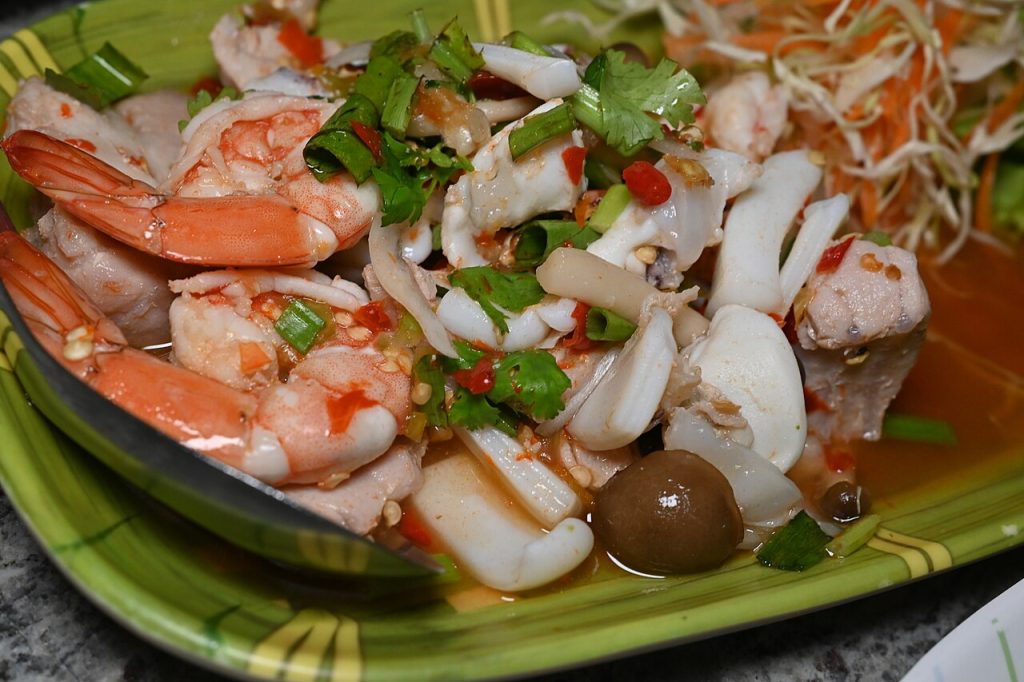
Sour Soups
Tom Yum and Tom Kha showcase the sour profile through lime juice or galangal, with a spicy kick and a fragrant broth.
Salads & Pickles
Som Tum (spicy papaya salad) offers a refreshing contrast, while fermented pickles add a tangy bite to accompany heavier dishes.
How to Pick Based on Preferences
Use these questions to narrow your options:
- Do you prefer mild or hot? Ask the server if the dish can be made less spicy.
- Are you a meat lover or vegetarian? Most Thai restaurants offer tofu or vegetable versions.
- Do you enjoy coconut flavors? Curries with coconut milk will satisfy that craving.
- Looking for something light? Try a stir‑fry or a fresh salad.
When in doubt, start with a classic like Pad Thai or Green Curry; they’re widely accepted and showcase core flavors.
Practical Tips for Ordering
- Ask for the spice level – most places list Mild, Medium, Hot, Extra Hot.
- Use the “no” or “extra” phrase to tailor sauces and chilies.
- Request rice or noodles on the side if you’re unsure about portion sizes.
- Try a shareable platter to sample multiple dishes.
- Keep an eye on seasonality – fresh herbs and produce influence flavor.
Conclusion
Thai food is a symphony of textures and tastes that can cater to any preference. By understanding the basic flavor layers, familiarizing yourself with key ingredients, and using practical ordering strategies, you’ll confidently select dishes that delight your senses. Whether you’re craving a comforting curry or a zesty salad, the world of Thai cuisine offers something for everyone – just ask, and let the flavors guide you.