
Chinese cuisine offers a world of flavors, textures, and traditions that can feel overwhelming at first. Whether you’re a home cook eager to recreate restaurant dishes or a diner who wants to navigate a menu with confidence, these practical tips will help you enjoy Chinese food more fully today.
Choosing Fresh Ingredients
Authentic Chinese dishes start with high‑quality ingredients. Here are three quick ways to pick the best produce and proteins:
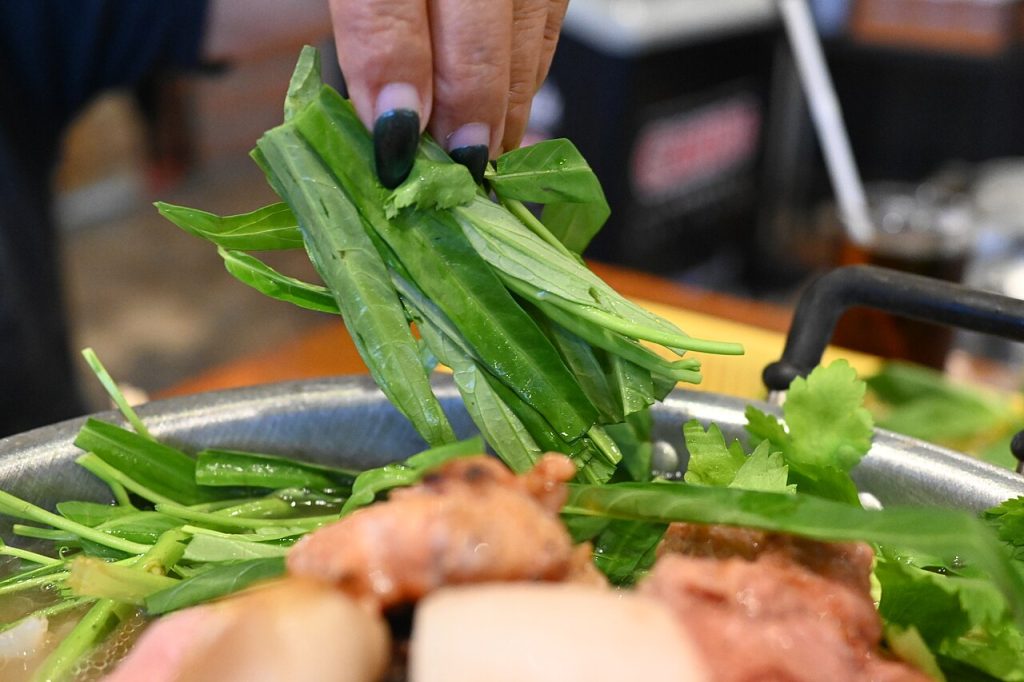
- Seasonal vegetables: Look for crisp bok choy, tender snow peas, and bright green Chinese broccoli during spring and early summer.
- Fresh aromatics: Ginger should be firm with a smooth skin, and scallions should have bright green tops without wilting.
- Protein quality: For pork, choose a thin layer of fat; for chicken, opt for thighs rather than breasts for juicier results.
When possible, shop at Asian markets where you’ll find a wider selection of specialty items such as Shaoxing wine, fermented black beans, and dried shiitake mushrooms.
Mastering Core Cooking Techniques
Chinese cooking relies on a handful of techniques that deliver distinct textures and flavors. Mastering them doesn’t require a wok—though a wok is ideal.
Stir‑Frying
Key to a good stir‑fry is high heat and quick movement. Follow these steps:
- Preheat the pan until a drop of water evaporates instantly.
- Add a thin layer of oil with a high smoke point (peanut or grapeseed).
- Introduce aromatics (garlic, ginger, scallions) for 10‑15 seconds.
- Cook proteins first, then vegetables, finishing with a splash of sauce.
Keep ingredients uniformly cut (about ½ inch) to ensure even cooking.
Steaming
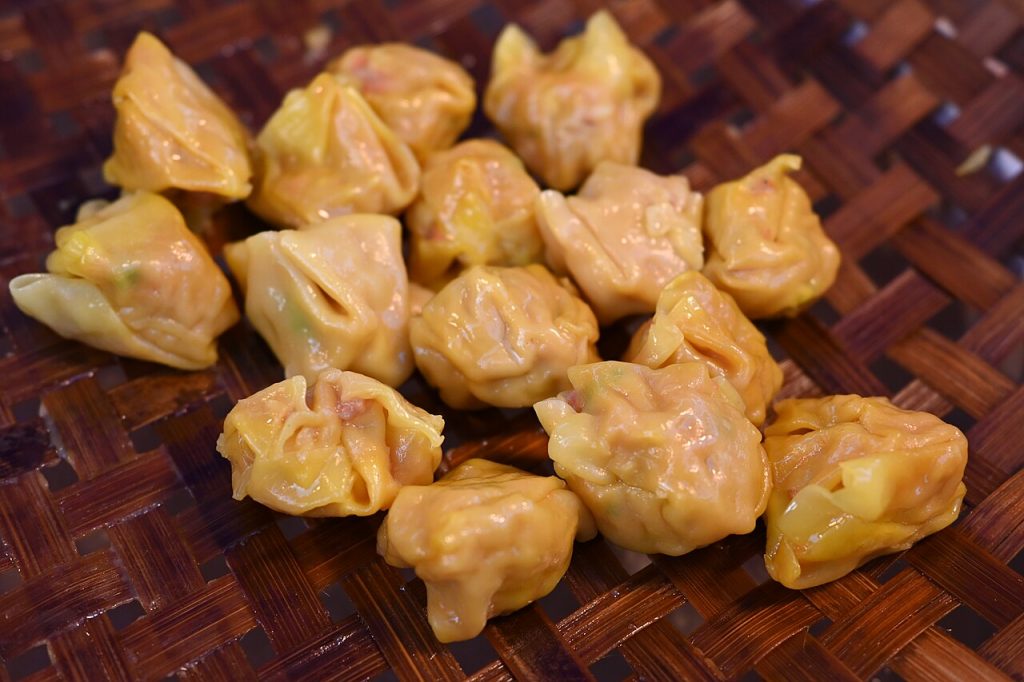
Steaming preserves the natural taste and nutrients of delicate foods like fish, dumplings, and buns. Use a bamboo steamer over a pot of simmering water, and cover tightly to trap steam. A 10‑minute steam is enough for thin fish fillets, while larger dumplings need 12‑15 minutes.
Red‑Cooking (Braising)
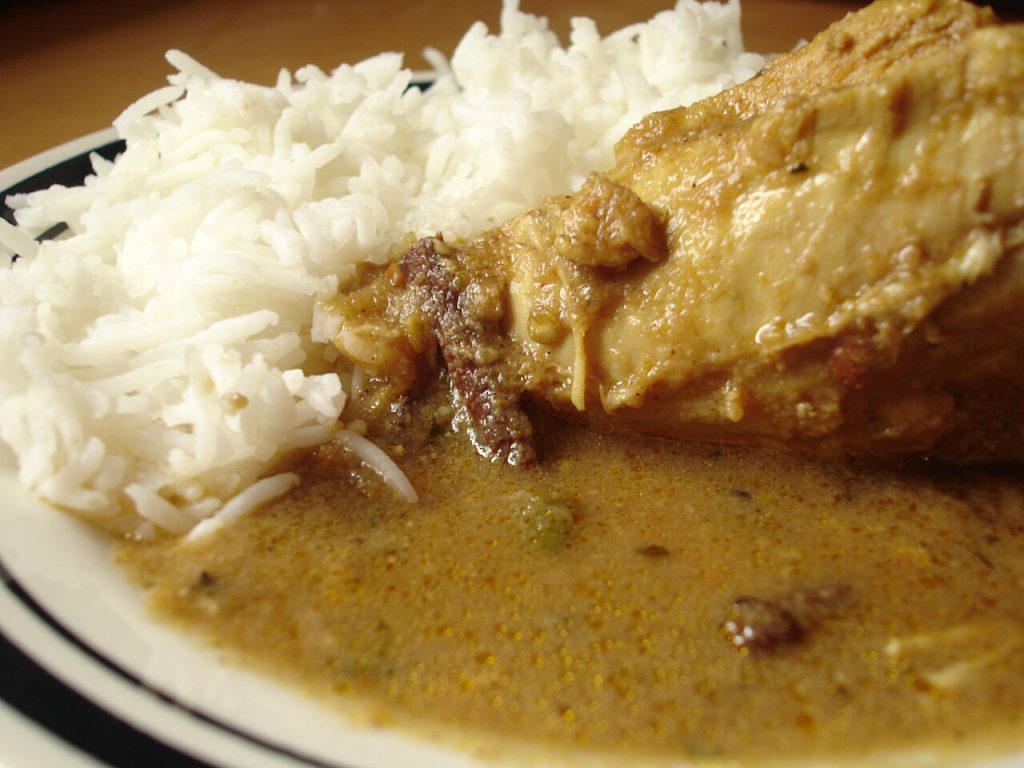
This slow‑cooking method infuses flavors into meats and tofu. Combine soy sauce, sugar, aromatics, and a splash of Shaoxing wine, then simmer low and slow until the liquid reduces and coats the ingredients.
Balancing the Five Fundamental Flavors
Traditional Chinese cooking aims for harmony among sweet, salty, sour, bitter, and umami. Here’s a quick guide to achieve balance in a single dish:
- Sweet: A touch of sugar, honey, or fruit (like pineapple) can round out salty sauces.
- Salty: Use low‑sodium soy sauce or a pinch of sea salt; taste before adding more.
- Sour: A splash of rice vinegar or lemon juice brightens heavy dishes.
- Bitter: Incorporate leafy greens such as bitter melon or kale in small amounts.
- Umami: Add fermented beans, mushroom powder, or a dash of fish sauce for depth.
Start with the dominant flavor you want, then adjust the others in 5‑10 % increments until the palate feels satisfied.
Smart Ordering at Chinese Restaurants
Even if you’re not fluent in Mandarin, you can confidently order a balanced meal. Keep these tips in mind:
- Ask for “light sauce” or “less oil”: Most kitchens will accommodate reduced sodium and fat.
- Combine textures: Pair a stir‑fried vegetable with a steamed dumpling for contrast.
- Share family-style: Order three to four dishes to sample a variety without over‑indulging.
- Know the staples: “Mapo tofu,” “kung pao chicken,” “braised pork belly,” and “vegetable lo mein” are reliable choices that showcase different techniques.
Don’t be afraid to request rice without added oil or ask for a side of fresh cucumber salad to cleanse the palate.
Storing and Reheating Leftovers Safely
Chinese dishes often taste better the next day as flavors meld, but proper storage is crucial.
- Cool quickly: Transfer food to shallow containers and refrigerate within two hours.
- Separate sauces: Keep sauces in a different container to prevent soggy vegetables.
- Freeze wisely: Dumplings, bao, and braised meats freeze well; label with date and use within three months.
- Reheat with steam: For rice and noodles, add a splash of water and cover the pan to restore fluffiness.
When reheating stir‑fries, use a hot wok and a quick 30‑second toss to revive crispness without overcooking.
Conclusion
Chinese cuisine is approachable once you understand its core ingredients, techniques, and flavor philosophy. By selecting fresh produce, mastering stir‑frying, steaming, and braising, and paying attention to flavor balance, you can create restaurant‑quality dishes at home. Apply the ordering and storage tips next time you dine out or have leftovers, and you’ll enjoy Chinese food with confidence and delight every day.