
Street food is famous for its bold flavors, quick preparation, and vibrant atmosphere. Bringing that excitement into your kitchen can be rewarding, but many home chefs stumble over the same pitfalls that keep their dishes from matching the street‑side originals. This guide highlights the most common mistakes and offers clear, actionable fixes so you can serve up sizzling, authentic bites every time.
Skipping Proper Preparation
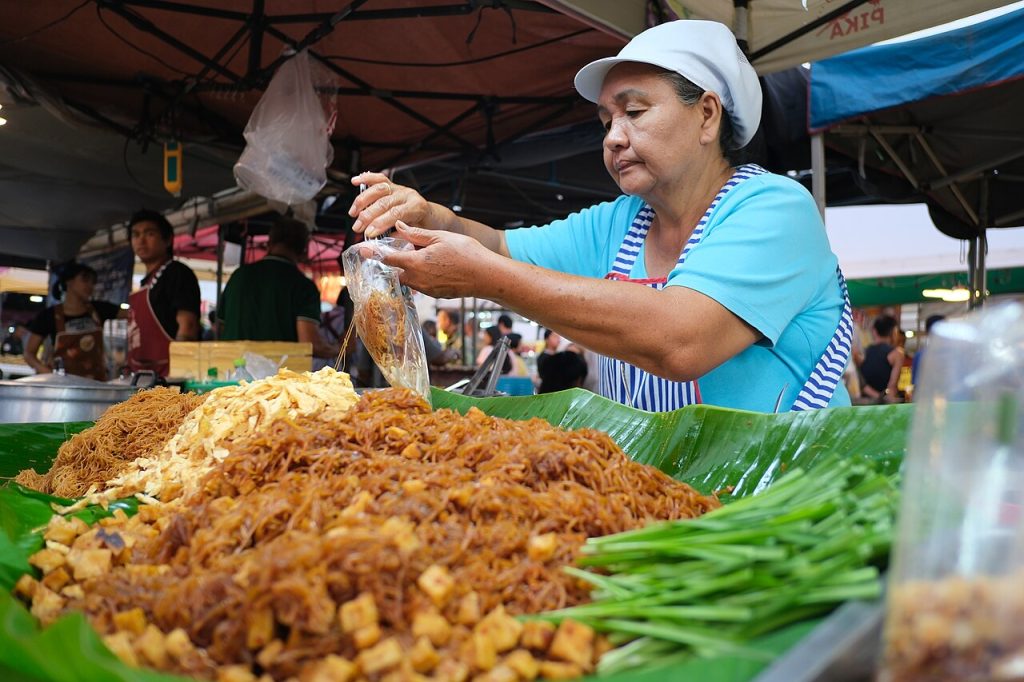
Preparation is the backbone of any street‑food recipe. Vendors often spend as much time prepping ingredients as they do cooking, because a well‑organized station keeps the line moving and the flavors consistent.
Why It Matters
- Ingredient freshness: Chopping herbs, slicing vegetables, and marinating proteins ahead of time preserves their texture and aroma.
- Speed: When everything is ready, you can focus on high heat cooking without pausing to dice or measure.
- Consistency: Uniform cuts ensure even cooking, preventing some pieces from being raw while others burn.
Fix: Allocate at least 15‑20 minutes before cooking to wash, chop, and measure. Store prepped items in separate bowls so you can add them quickly and in the right order.
Using the Wrong Heat Source
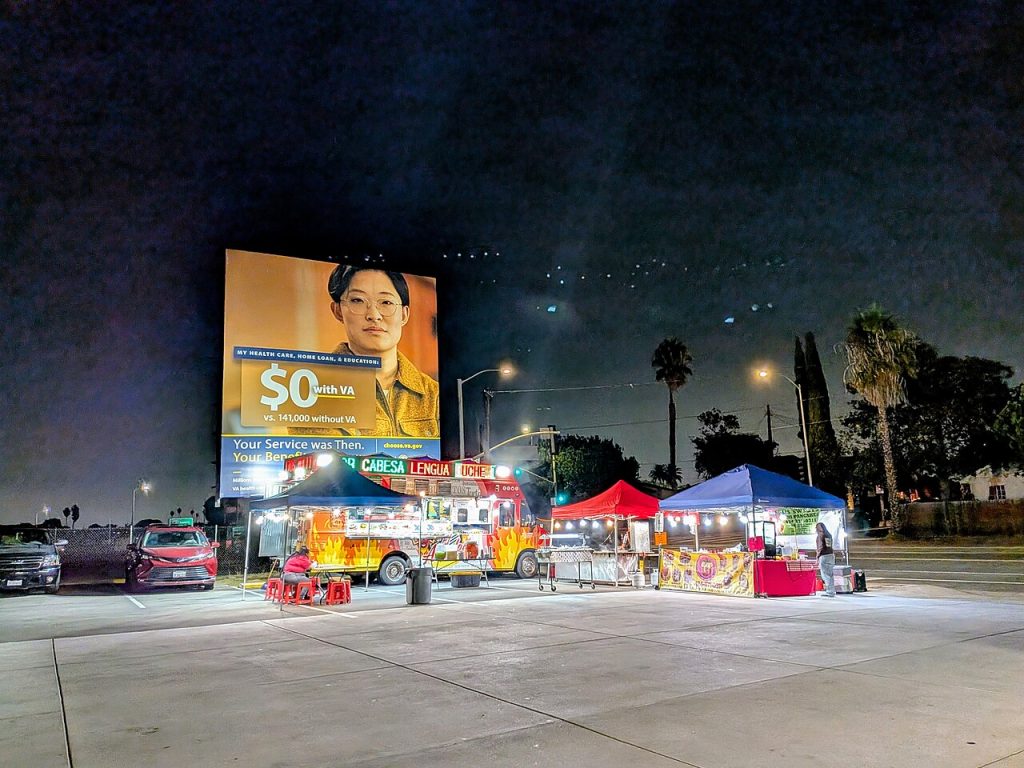
Street vendors rely on intense, direct heat—think charcoal grills, wok burners, or open‑flame tongs. Replicating that heat at home with a low‑temperature stovetop can lead to soggy, under‑cooked food.
Common Errors
- Cooking on a small electric burner that can’t reach the necessary temperature.
- Using non‑seasoned cast iron for dishes that need a slick surface, causing food to stick.
- Neglecting to pre‑heat the pan, resulting in uneven searing.
Fix: Invest in a high‑wattage induction or gas burner, and pre‑heat a heavy‑bottomed wok or skillet until a few drops of water sizzle and evaporate instantly. For authentic char, consider a small tabletop charcoal grill or a kitchen torch for finishing touches.
Neglecting Flavor Balance
Street food thrives on the harmony of sweet, salty, sour, spicy, and umami. Home cooks often over‑rely on one element—like too much soy sauce or sugar—resulting in a one‑dimensional taste.
Key Flavor Components
- Sour: Lime juice, rice vinegar, tamarind.
- Sweet: Palm sugar, honey, brown sugar.
- Umami: Fish sauce, fermented bean paste, MSG (optional).
- Heat: Fresh chilies, chili paste, Szechuan pepper.
- Salt: Sea salt, soy sauce, miso.
Taste as you go. Add a splash of acid or a pinch of sugar to brighten a sauce that feels flat. Remember that a little goes a long way—especially with potent ingredients like fish sauce.
Overcrowding the Cooking Surface
Vendors keep their woks or grills relatively empty, allowing each piece of food to make direct contact with the heat. When you pile too many items into a pan, the temperature drops, and the food steams instead of sears.
Symptoms of Overcrowding
- Food releases excess moisture and becomes soggy.
- Ingredients stick and burn unevenly.
- The final dish lacks the characteristic “wok‑hei” (breath of the wok) that street vendors prize.
Fix: Cook in batches. Use multiple pans if needed, and keep the cooked portions warm in a low oven (about 120 °F) while you finish the rest. This method preserves high heat and ensures each batch gets a proper sear.
Ignoring Food Safety Basics
Street vendors often work fast, but they also follow strict safety routines—separate raw from cooked, keep hot foods above 140 °F, and store perishables on ice. At home, it’s easy to let cross‑contamination slip, especially when handling raw meat and fresh herbs together.
Simple Safety Checklist
- Wash hands and surfaces before and after handling raw proteins.
- Use separate cutting boards for meat, vegetables, and herbs.
- Keep cooked food hot (or cold) while you finish other components.
- Discard any sauce that has sat at room temperature for more than two hours.
Following these steps not only protects health but also preserves the bright, clean flavors that make street food so appealing.
Practical Tips for Street‑Food Success
Beyond avoiding mistakes, a few proactive habits can elevate your home‑style street cuisine:
- Invest in a good wok: A 14‑inch carbon steel wok heats quickly and distributes heat evenly.
- Season your pan: Lightly coat the wok with oil and heat until it smokes; wipe clean. This creates a natural non‑stick surface.
- Master the “flash‑cook” technique: High heat for 30‑60 seconds locks in flavor and texture—perfect for shrimp, thin‑sliced beef, or tofu.
- Use fresh, authentic ingredients: When possible, source real fish sauce, tamarind paste, or Thai basil from an Asian market.
- Finish with a squeeze of citrus: A quick burst of lime or lemon brightens the dish just before serving.
Conclusion
Recreating street food at home is less about fancy equipment and more about respecting the process: prep diligently, cook at high heat, balance bold flavors, and keep safety front‑and‑center. By recognizing and correcting these common mistakes, you’ll transform quick, tasty street‑style dishes into reliable, restaurant‑quality meals that delight family and friends alike.