
Introduction
Chinese food is far more than a collection of dishes; it’s a philosophy that blends balance, seasonality, and respect for ingredients. Whether you’re a seasoned cook or just starting, the principles found in Chinese kitchens can transform your daily meals into vibrant, nourishing experiences. This guide shows how to draw inspiration from Chinese cooking and turn it into simple, everyday meals that delight the palate and the senses.
The Essence of Chinese Cooking
Balance of Flavors
At the heart of Chinese cuisine lies the quest for harmony: sweet, sour, salty, bitter, and umami must coexist in a single dish. By learning how to layer these taste notes, you can add depth to even the simplest stir‑fry or soup. Start with a splash of vinegar for acidity, a pinch of sugar for balance, and a dash of soy sauce for umami.
Use of Fresh Herbs
Fresh herbs such as cilantro, scallions, and Chinese basil infuse dishes with aroma and color. They are often added at the end of cooking to preserve their bright flavors. Experiment with small amounts of each herb to see how they alter the profile of a dish—this practice encourages creativity and a deeper appreciation for natural ingredients.
Key Ingredients That Inspire Creativity
- Rice – the universal base that soaks up sauces and carries flavors.
- Wheat‑based noodles – versatile for soups, stir‑fries, or cold salads.
- Soy sauce and fermented bean pastes – provide depth and umami.
- Fresh vegetables – bell peppers, bok choy, mushrooms, and Chinese broccoli offer texture and nutrition.
- Proteins – chicken, pork, tofu, and seafood can be marinated in simple spice blends.
- Spices and aromatics – ginger, garlic, star anise, and Sichuan peppercorns add warmth.
Simple Techniques for Everyday Meals
Stir‑Fry in a Flash
Stir‑frying is the go-to method for quick, flavorful meals. Heat a wok or large skillet over high heat, add a small amount of oil, and then the aromatics. Add protein first so it cooks evenly, followed by harder vegetables like carrots or bell peppers, and finally softer greens such as spinach or bok choy. Finish with a splash of sauce and a sprinkle of fresh herbs.
Steaming for Lightness
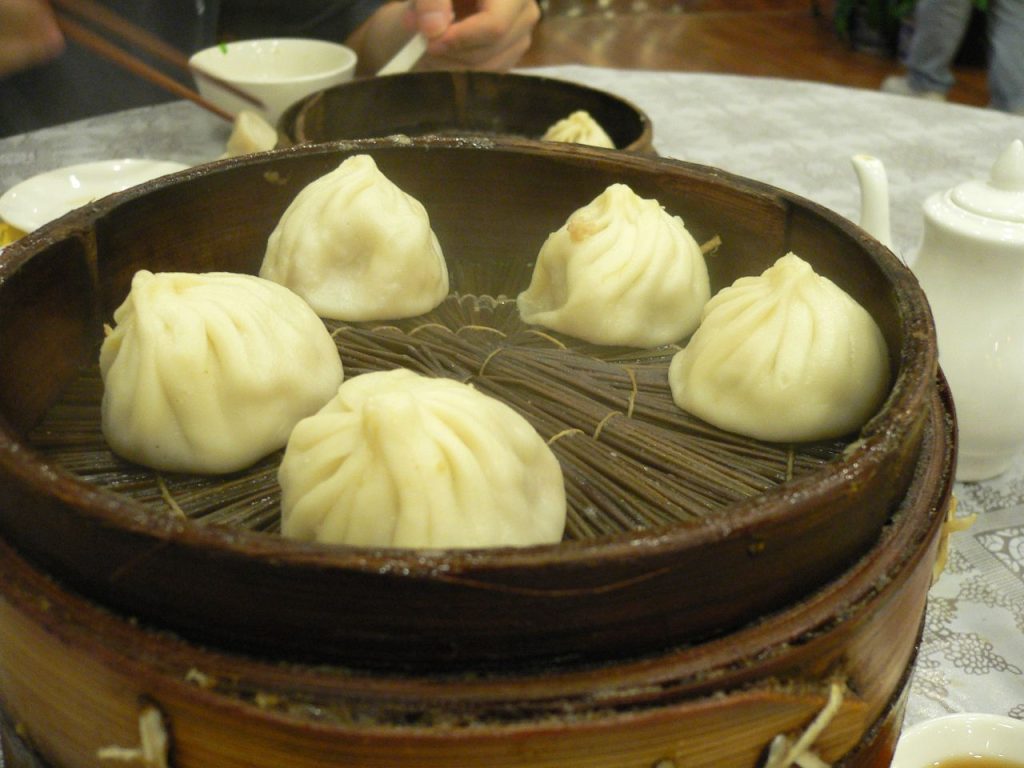
Steaming preserves nutrients and creates silky textures. Use a bamboo steamer or a metal steaming basket over simmering water. Place dumplings, buns, or fish fillets on the steamer, cover, and steam for 8–12 minutes. Pair with a light soy‑ginger dipping sauce to elevate the dish.
Practical Tips for Quick Chinese‑Inspired Dishes
- Pre‑cut vegetables – chop all produce ahead of time to save minutes during cooking.
- Use a wok or heavy‑bottomed pan – high heat and quick response make stir‑frying efficient.
- Keep sauces on hand – soy sauce, hoisin, oyster sauce, and sesame oil can be mixed in a small bowl for instant flavor.
- Layer flavors – start with aromatics, add protein, then vegetables, and finish with sauce.
- Finish with fresh herbs – cilantro, scallions, or basil brighten the dish just before serving.
Mindful Dining Moments
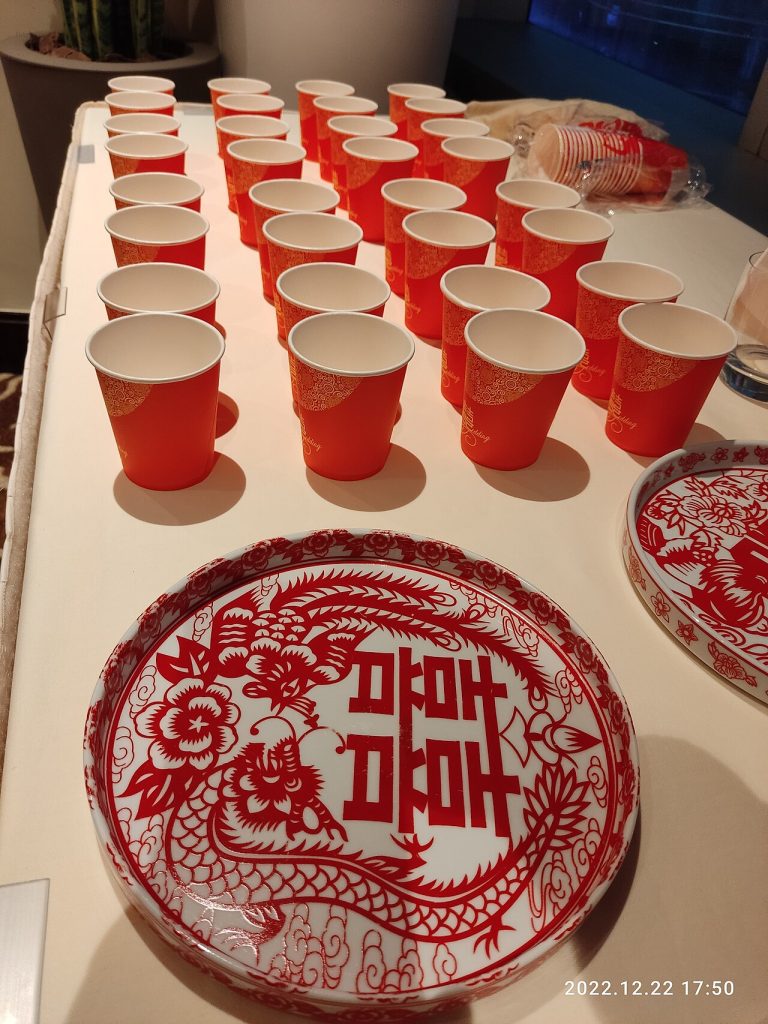
Chinese dining traditions emphasize mindfulness, sharing, and gratitude. To bring this into your home, try setting a simple table with a bowl of rice, a soup, and a couple of small plates. Encourage everyone to eat slowly, savor each bite, and appreciate the colors and aromas. This practice not only enhances enjoyment but also promotes healthier eating habits.
Conclusion
By embracing the principles of balance, fresh ingredients, and quick techniques found in Chinese kitchens, you can enrich your everyday meals with depth, nutrition, and joy. Start small—add a dash of soy sauce or a handful of fresh herbs—and let the flavors guide your culinary exploration. Your table will soon become a canvas for creativity, and every bite will feel like a celebration of taste and tradition.