
When you think of luxury foods, images of truffles, caviar, and aged cheeses may come to mind. Yet the world is full of rare delicacies that offer a taste of opulence beyond the familiar. Whether you’re a seasoned traveler or a home‑cooked enthusiast, knowing how to choose the right luxury food can elevate your culinary experience and ensure you’re paying for true quality, not hype.
What Makes a Food Truly Luxury?
Luxury foods are distinguished by three core attributes: rarity, craftsmanship, and an extraordinary sensory profile. They often come from specific terroirs, involve meticulous production methods, or are harvested in limited seasons. These factors combine to create items that command premium prices and command respect among chefs and gourmets alike.
The Five Pillars of Luxury Foods
- Rarity: Limited supply, whether due to geography, climate, or artisanal production.
- Authenticity: Genuine origin, often certified by appellations or guilds.
- Craftsmanship: Hand‑crafted techniques passed through generations.
- Sustainability: Ethical sourcing that protects ecosystems and communities.
- Flavor Intensity: A complex, memorable taste that justifies its price.
Regional Luxury Food Highlights
France: Truffles, Foie Gras, Champagne
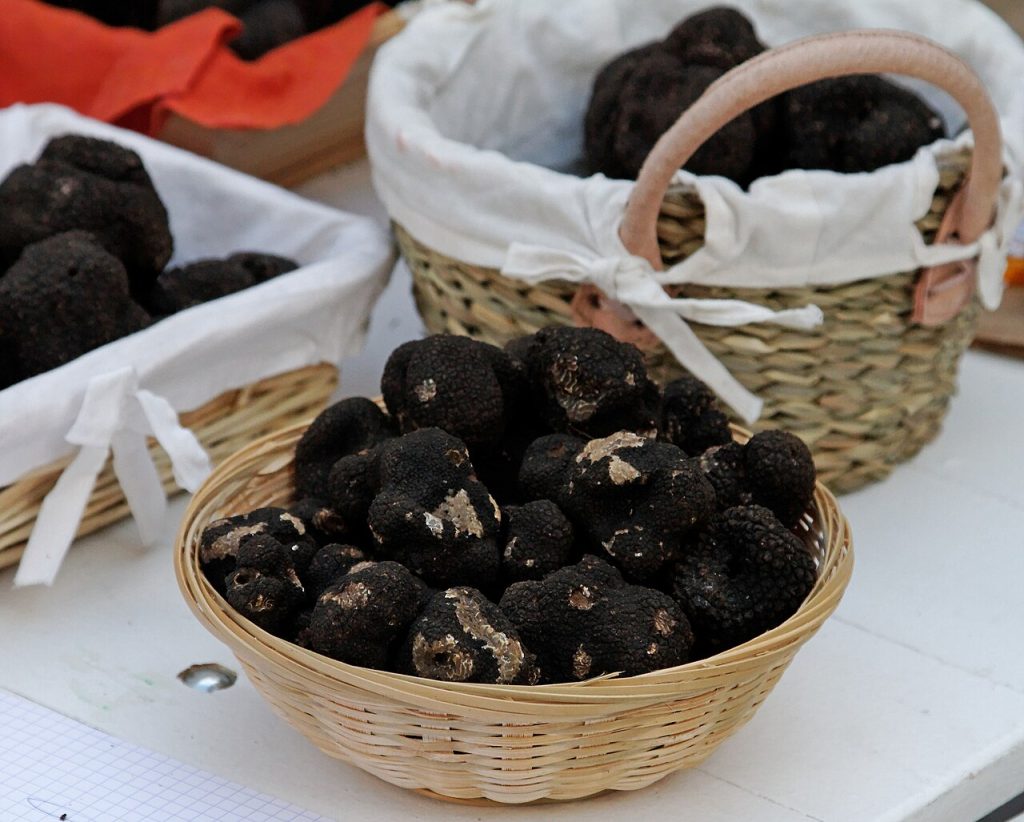
France’s culinary heritage is steeped in luxury. The black truffle of Périgord, for instance, is prized for its earthy aroma and is harvested with trained dogs during a narrow two‑month window. Foie gras, produced from specially fattened duck or goose livers, offers a buttery texture that pairs beautifully with sweet accompaniments. Champagne, the world’s most famous sparkling wine, is crafted from a blend of Chardonnay, Pinot Noir, and Pinot Meunier grapes, aged in cool cellars to develop complex bubbles.
Japan: Wagyu Beef, Yuzu, Sake
Japanese luxury foods are celebrated for their precision and subtlety. Wagyu beef, especially Kobe and Matsusaka varieties, is marbled with intramuscular fat that melts at mouth‑level tenderness. Yuzu, a fragrant citrus, adds bright acidity to sauces and desserts, while premium sake—fermented rice with meticulous attention to water purity—delivers a delicate umami profile.
Morocco: Saffron, Preserved Olives, Couscous
Morocco’s saffron, harvested from the highlands of the Atlas Mountains, is prized for its deep golden color and floral notes. Preserved olives, cured in olive oil and herbs, offer a briny, umami punch. Couscous, often considered a staple, becomes a luxury when prepared with rare ingredients like dried fish, saffron, and toasted almonds, creating a fragrant, layered dish.
Peru: Cuy, Aconcagua Honey, Cacao
In Peru, cuy (guinea pig) is a traditional delicacy that, when prepared with indigenous spices, delivers a gamey, tender bite. Aconcagua honey, harvested from high‑altitude wildflowers, carries a unique floral complexity. Peruvian cacao, grown in the Amazon basin, is used to produce chocolate with a distinct earthy, peppery finish.
Practical Tips for Selecting Luxury Foods
- Check Certifications: Look for appellation d’origine contrôlée (AOC) labels for European products or farm‑to‑table certificates for exotic items.
- Ask Questions: Inquire about harvest dates, sourcing methods, and storage conditions. Authentic luxury foods often have transparent provenance.
- Smell and Inspect: Fresh truffles should emit a strong, earthy fragrance. Caviar should have a briny, slightly metallic scent. The surface should be glossy and free from discoloration.
- Taste Test: If possible, sample a small portion before committing to a larger purchase. The flavor should be intense, balanced, and leave a lingering aftertaste.
- Consider Pairings: Luxury foods shine when paired with complementary flavors—think champagne with oysters or chocolate with a robust red wine.
Where to Buy: From Markets to Online
- Local Farmers’ Markets: Many luxury items, like truffles and artisanal cheeses, are sold directly by producers, ensuring freshness and fair pricing.
- Specialty Food Stores: High‑end supermarkets and gourmet shops often carry a curated selection of luxury foods with detailed product information.
- Online Retailers: Reputable e‑commerce platforms offer international shipping for items like Japanese wagyu or Peruvian cacao, but verify shipping conditions to maintain product integrity.
- Direct Importers: For niche items such as Moroccan saffron, consider partnering with importers who maintain strict quality control and traceability.
Conclusion
Luxury foods are more than indulgence; they’re a celebration of culture, craftsmanship, and nature’s rare gifts. By understanding the pillars of luxury, exploring regional specialties, and applying practical selection criteria, you can confidently choose foods that deliver unforgettable experiences. Whether you savor a single truffle or host a tasting dinner with international delicacies, the journey to luxury cuisine is as enriching as the flavors themselves.