
Introduction
Japanese cuisine is celebrated for its balance, freshness, and subtle flavors. While many people think Japanese food is only available in high‑end restaurants, it can be recreated at home with a few key ingredients and simple techniques. In this guide, we’ll walk you through three staple dishes that are both beginner‑friendly and deeply satisfying.
1. Classic Chicken Ramen
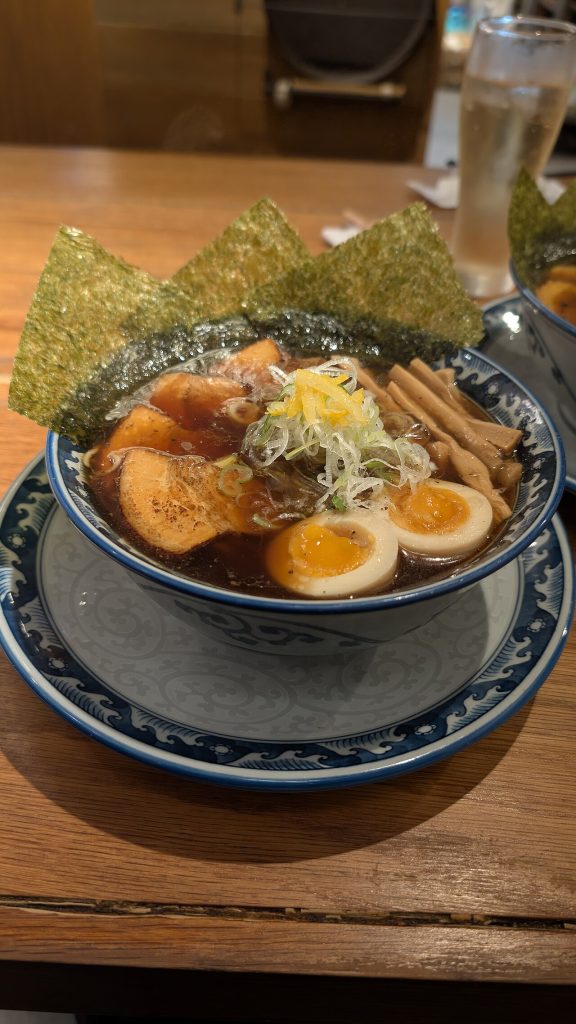
Ramen is more than just noodles; it’s a comforting bowl of broth, protein, and toppings that can be customized to your taste. The following recipe keeps the process straightforward while delivering a rich, umami broth.
Ingredients
- 4 cups chicken stock (homemade or low‑sodium)
- 2 cups water
- 2 tbsp soy sauce
- 1 tbsp mirin
- 1 tsp sesame oil
- 1 tsp grated ginger
- 2 garlic cloves, minced
- 1 tbsp miso paste (optional for depth)
- 200g ramen noodles or any thin wheat noodles
- 2 boiled eggs, halved
- 100g sliced chicken breast
- 1 cup sliced shiitake mushrooms
- 1 cup spinach or bok choy
- Green onions, sliced
- Soy sauce, sesame seeds, and nori for garnish
Method
1. Make the broth. In a pot, combine chicken stock, water, soy sauce, mirin, sesame oil, ginger, garlic, and miso paste. Bring to a gentle simmer and let it cook for 15 minutes to meld the flavors.
2. Prepare the toppings. While the broth simmers, sauté mushrooms in a little oil until tender. Boil the chicken breast in a separate pot until cooked, then slice thinly. Warm the spinach or bok choy in a pan until wilted.
3. Cook the noodles. Add ramen noodles to the simmering broth and cook according to package instructions (usually 3–4 minutes).
4. Assemble the bowl. Place noodles and broth in a bowl. Arrange the sliced chicken, mushrooms, spinach, boiled eggs, and green onions on top. Finish with a drizzle of soy sauce, a sprinkle of sesame seeds, and a sheet of nori.
Enjoy a steaming bowl of homemade chicken ramen that captures the essence of Japanese street food.
2. Fresh Sushi Rolls Made Simple
Sushi doesn’t have to be intimidating. With a few basic tools—rice cooker, nori sheets, and a bamboo mat—you can roll delicious sushi at home.
Ingredients
- 2 cups sushi rice
- 2 ½ cups water
- 3 tbsp rice vinegar
- 1 tbsp sugar
- 1 tsp salt
- 4 nori sheets
- 150g fresh sashimi‑grade tuna, sliced into strips
- 1 avocado, sliced
- 1 cucumber, julienned
- Wasabi, soy sauce, and pickled ginger for serving
Method
1. Cook the rice. Rinse sushi rice until water runs clear. Combine rice and water in a rice cooker, cook, then let it rest for 10 minutes. Gently fold in vinegar, sugar, and salt mixture while the rice is still warm.
2. Prepare the fillings. Slice the tuna, avocado, and cucumber into long, thin strips. Keep them chilled until ready to roll.
3. Roll the sushi. Lay a nori sheet shiny side down on the bamboo mat. Spread a thin layer of rice over the nori, leaving a 1‑inch border at the top. Place a line of tuna, avocado, and cucumber along the bottom edge. Fold the mat over the fillings, applying gentle pressure to seal. Repeat with remaining sheets.
4. Cut and serve. Use a sharp knife to slice each roll into bite‑size pieces. Serve with soy sauce, wasabi, and pickled ginger.
These simple maki rolls are perfect for a quick lunch or an elegant dinner party.
3. Balanced Bento Box
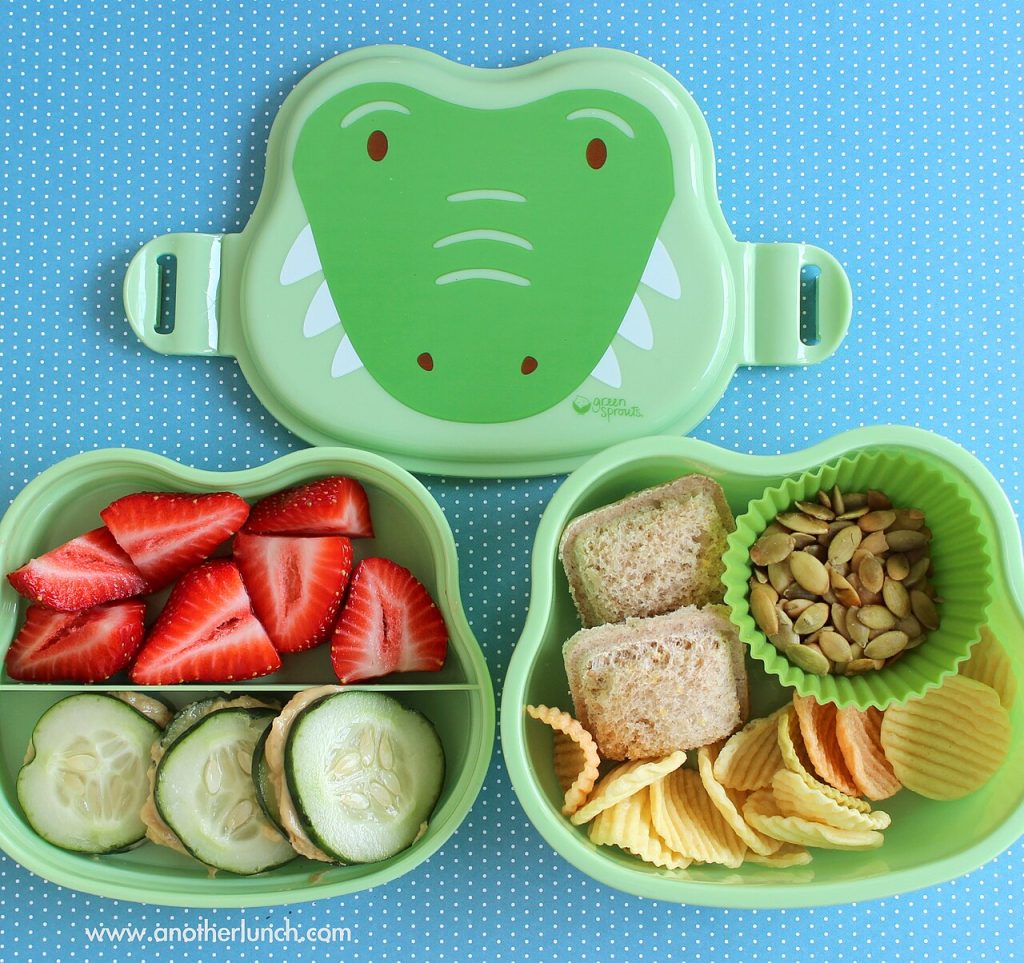
The bento box is a Japanese lunchbox that showcases variety, nutrition, and visual appeal. A well‑planned bento encourages mindful eating and reduces food waste.
Components
- Protein: Teriyaki salmon or grilled tofu.
- Starch: Steamed rice or quinoa.
- Veggies: Steamed broccoli, edamame, and pickled daikon.
- Fruit: Sliced kiwi or mango.
- Optional extras: Tamagoyaki (Japanese omelet), seaweed salad, or a small portion of miso soup.
Practical Tips for Packing
- Use a compartmentalized lunch box to keep flavors distinct.
- Prep ingredients in advance; cook rice and protein ahead of time.
- Store the bento in the fridge and add a small ice pack if it will sit for several hours.
- Serve with a small dipping sauce for the rice or veggies.
Enjoy a satisfying, portable meal that mirrors the care and presentation of a traditional Japanese lunch.
Conclusion
Japanese cuisine offers a treasure trove of flavors that can be brought to your kitchen with minimal effort. Whether you’re craving a comforting bowl of ramen, a fresh sushi roll, or a balanced bento, these recipes provide a solid foundation for exploring Japanese cooking. The key is to source quality ingredients, respect the balance of tastes, and enjoy the process. Happy cooking, and may your table become a gateway to the rich culinary traditions of Japan.