
Japanese cuisine is celebrated worldwide for its delicate flavors, artistic presentation, and emphasis on seasonality. Whether you’re a seasoned foodie or just starting to explore, this guide will help you navigate the basics, enjoy authentic dishes, and even cook a few staples in your own kitchen.
What Makes Japanese Cuisine Unique
Key Ingredients
Japanese cooking relies on a handful of core ingredients that define its taste profile:
- Rice – The backbone of every meal, cooked to a perfect balance of stickiness and firmness.
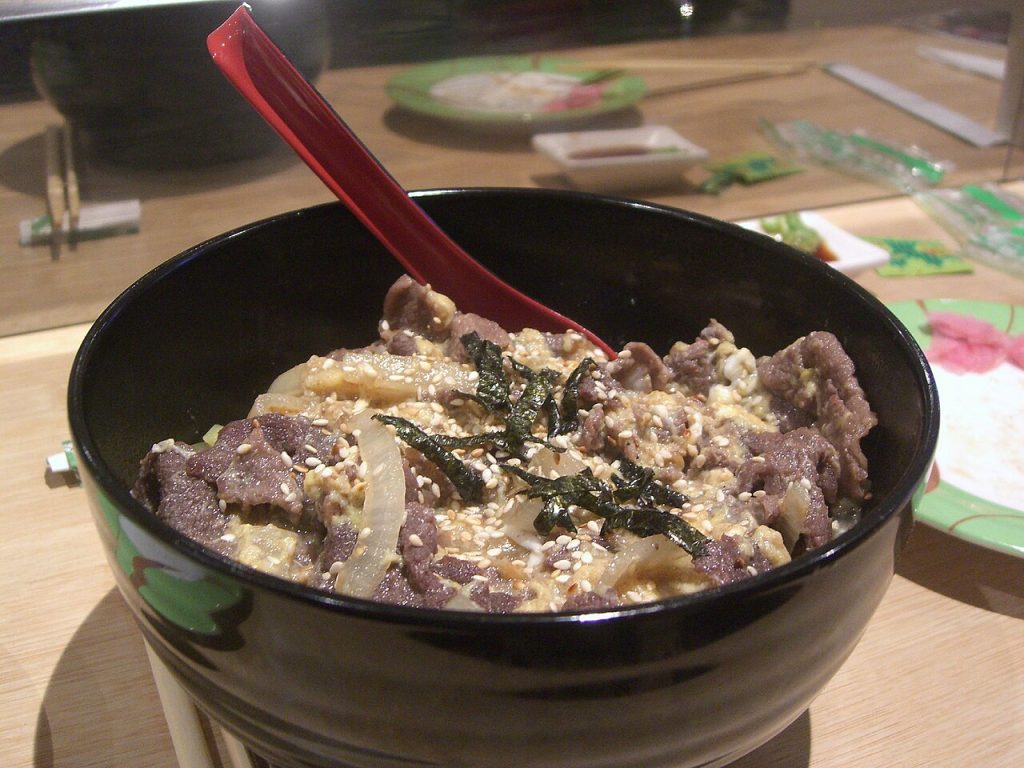
- Seaweed (nori) – Adds umami and texture, especially in sushi and soups.
- Soy products – Soy sauce, miso paste, and tofu provide depth and savory notes.
- Fish and seafood – Freshness is paramount; sashimi and grilled options highlight natural flavors.
- Vegetables – Seasonal produce like daikon, bamboo shoots, and leafy greens bring color and nutrition.
Popular Dishes for Beginners
- Sushi – From simple nigiri to maki rolls, sushi is approachable and visually appealing.
- Ramen – A comforting bowl of broth, noodles, and toppings that can be customized.
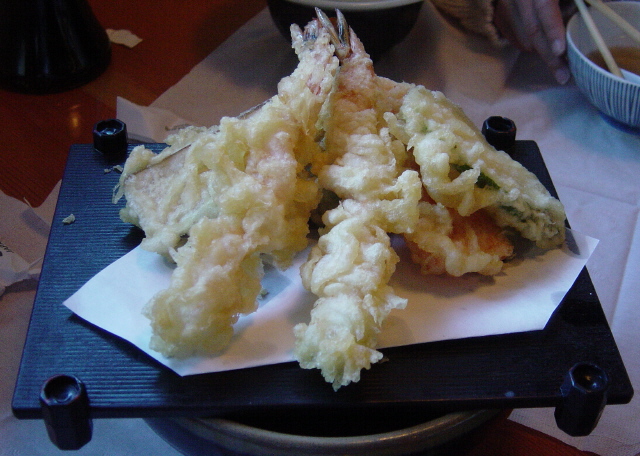
- Tempura – Lightly battered shrimp or vegetables, crispy yet delicate.
- Yakitori – Skewered chicken grilled over charcoal, often seasoned with tare sauce.
- Miso Soup – A fragrant broth with tofu, seaweed, and green onions.
How to Order at a Japanese Restaurant
Understanding the Menu
Menus can be intimidating, but most restaurants will list dishes in a few categories: Rice & Noodles, Seafood, Meat, Vegetarian, and Sushi & Sashimi. Look for descriptors like “sashimi” (raw fish), “tempura” (battered), or “yakisoba” (fried noodles). If a dish is unfamiliar, ask the server for a brief explanation.
Etiquette Tips
- Use chopsticks for most items, but it’s fine to use a fork for rice or noodles.
- When sharing a dish, take a small bite before passing it to others.
- It’s polite to say “itadakimasu” before eating and “gochisousama deshita” afterward.
- Try to finish all the food on your plate; leaving a lot of leftovers can be seen as wasteful.
Cooking at Home: Simple Recipes
Easy Sushi Rolls
Ingredients:
- Short‑grain sushi rice, seasoned with rice vinegar, sugar, and salt.
- Fresh nori sheets.
- Fillings: cucumber, avocado, smoked salmon, or crab sticks.
- Soy sauce, pickled ginger, and wasabi for serving.
Method:
- Spread a thin layer of rice over a nori sheet, leaving a 1‑inch border.
- Lay fillings in a line at the far edge.
- Roll tightly using a bamboo mat, sealing the edge with a splash of water.
- Cut into bite‑size pieces and serve with soy sauce.
Ramen in a Hurry
Ingredients:
- Instant ramen noodles (choose a richer flavor, like miso or tonkotsu).
- Broth: combine chicken stock with a tablespoon of miso paste.
- Toppings: soft‑boiled egg, sliced green onions, bamboo shoots, and sliced pork.
Method:
- Boil noodles according to package instructions.
- Warm the broth and stir in miso paste until dissolved.
- Combine noodles, broth, and toppings in a bowl, and enjoy.
Practical Tips for Exploring Japanese Food
- Start with milder flavors—sushi and miso soup are gentle introductions.
- Use a trusted source for fresh fish; look for clear eyes and firm flesh.
- When traveling, try a local ramen shop or a street stall for authentic street food.
- Keep a small notebook of favorite dishes; this helps you remember what you liked.
- Don’t hesitate to ask staff for recommendations; they often know the best seasonal specials.
Conclusion
Japanese cuisine offers a harmonious blend of taste, texture, and presentation that can be both comforting and adventurous. By understanding its core ingredients, learning how to order, and practicing simple recipes at home, beginners can confidently step into the world of Japanese food. Happy tasting and cooking!