
Indonesian cuisine is a vibrant tapestry of flavors, aromas, and textures that have evolved over centuries. Whether you’re a seasoned chef or a home cook, recreating authentic dishes at home can be both rewarding and challenging. Below we break down the most common mistakes people make when preparing Indonesian meals—and how you can steer clear of them.
1. Ignoring the Balance of Spices
Indonesian dishes rely on a delicate equilibrium of sweet, salty, sour, and spicy notes. A common error is adding too much of one element, such as ginger or chili, and drowning the subtlety of others.
- Tip: Start with the base aromatics—shallots, garlic, and ginger—sautéed until fragrant, then layer in spices in the order they are traditionally added. This builds depth and prevents a single flavor from dominating.
- Tip: Taste as you go. A small pinch of tamarind or lime juice can brighten a dish that feels flat, while a touch of palm sugar balances excess heat.
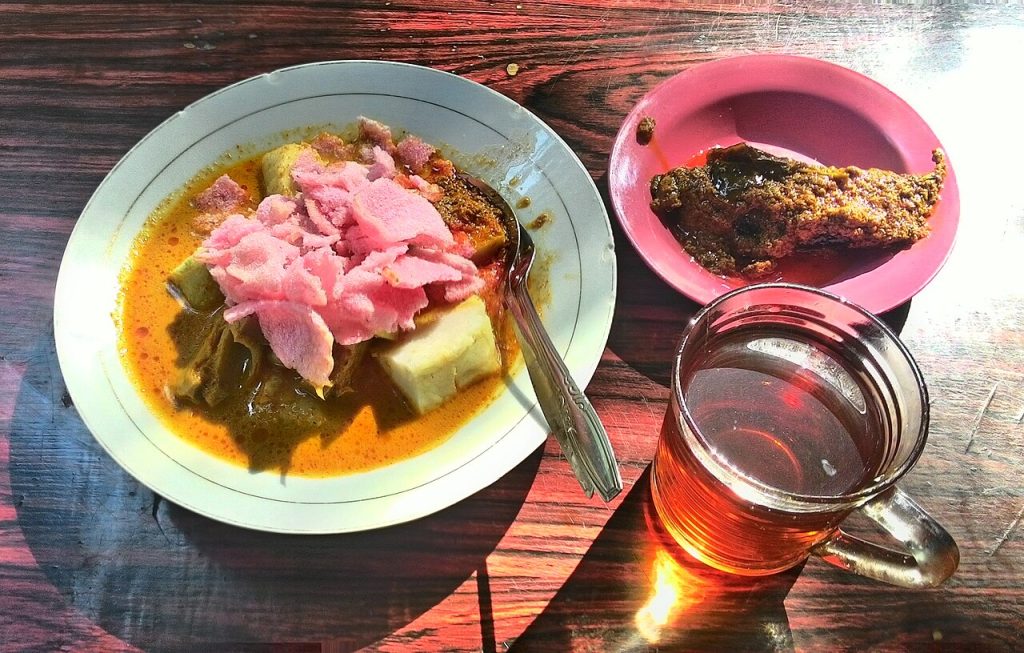
2. Skipping Traditional Cooking Techniques
Many Indonesian recipes call for specific methods—such as memekang (steaming in banana leaves) or menggoreng (deep‑frying) that impart unique textures. Relying solely on modern appliances can alter the expected outcome.
- Tip: When possible, use a wok for stir‑fries. The high heat and quick movement preserve the bright colors of vegetables and the snap of fresh greens.
- Tip: For dishes like nasi uduk, cook the rice in coconut milk and pandan leaves to achieve the characteristic aroma and richness.
3. Overlooking Fresh Herbs and Aromatics
Herbs such as cilantro, basil, and lemongrass are the finishing touch that elevate Indonesian dishes. Cutting them too early or using dried versions can strip away their bright flavor.
- Tip: Add herbs at the last 30 seconds of cooking or sprinkle them on top of a finished dish to preserve their fragrance.
- Tip: If you’re using dried lemongrass, crush the stalks lightly before adding to release essential oils.
4. Overcooking Seafood and Poultry
Indonesian cuisine frequently features fish, shrimp, and chicken that are cooked to just the right tenderness. Overcooking can lead to a rubbery texture and muted flavor.
- Tip: For fish, use a gentle simmer and check doneness after 8–10 minutes. The flesh should flake easily but remain moist.
- Tip: When preparing ayam goreng (fried chicken), marinate with turmeric and coconut milk to keep the meat tender.
5. Neglecting Regional Variations
Indonesia’s archipelago means each region has its own signature ingredients and cooking styles. Mixing techniques or ingredients from different areas can dilute authenticity.
- Tip: Stick to one regional style for a dish. For example, rendang is a Minang specialty that requires slow cooking with coconut milk; a quick sauté won’t deliver the same depth.
- Tip: Use region‑specific sauces—such as kecap manis (sweet soy sauce) for Java‑style dishes or kecap asin (salty soy sauce) for Balinese recipes—to keep flavor profiles consistent.
Conclusion
Mastering Indonesian cuisine is less about following a checklist and more about developing a sense of balance, respect for traditional methods, and an appreciation for fresh ingredients. By avoiding these common pitfalls, you’ll create dishes that not only taste authentic but also honor the culinary heritage that makes Indonesian food so beloved worldwide.