
Introduction
Indonesian food is a tapestry of flavors that reflects the archipelago’s diverse cultures, climates, and histories. From the fragrant curries of Java to the fiery sambals of Sulawesi, each bite tells a story of spice, sea, and tradition. This guide will walk you through the health benefits of Indonesian ingredients, showcase must‑try dishes, and offer practical tips for recreating these flavors at home.

Health Benefits of Indonesian Cuisine
Rich in Antioxidants and Spices
Many Indonesian staples are packed with spices—turmeric, ginger, galangal, and coriander—each loaded with antioxidants that support heart health and reduce inflammation. A typical meal often includes a generous portion of leafy greens or legumes, boosting fiber intake and aiding digestion.
Balanced Nutrients in One Plate
Traditional Indonesian meals prioritize balance: a protein source (fish, tempeh, or chicken), a carbohydrate (rice or noodles), and a side of vegetables or fermented foods like tempeh or tempeh. This structure mirrors the principles of many modern nutritional guidelines, helping maintain steady energy levels and satiety.
Signature Dishes You Can’t Miss
- Nasi Goreng – Indonesia’s iconic fried rice, seasoned with sweet soy sauce, garlic, and a dash of chili for heat.
- Sate Ayam – Grilled chicken skewers served with a creamy peanut sauce that balances savory and nutty flavors.
- Rendang – A slow‑cooked beef stew from Padang, simmered in coconut milk and a blend of spices until the meat is melt‑in‑your‑mouth tender.
- Gado‑Gado – A vibrant salad of blanched vegetables, boiled eggs, and tofu, topped with a sweet, spicy peanut dressing.
- Ayam Betutu – Whole chicken stuffed with aromatic herbs, wrapped in banana leaves, and roasted to caramelized perfection.
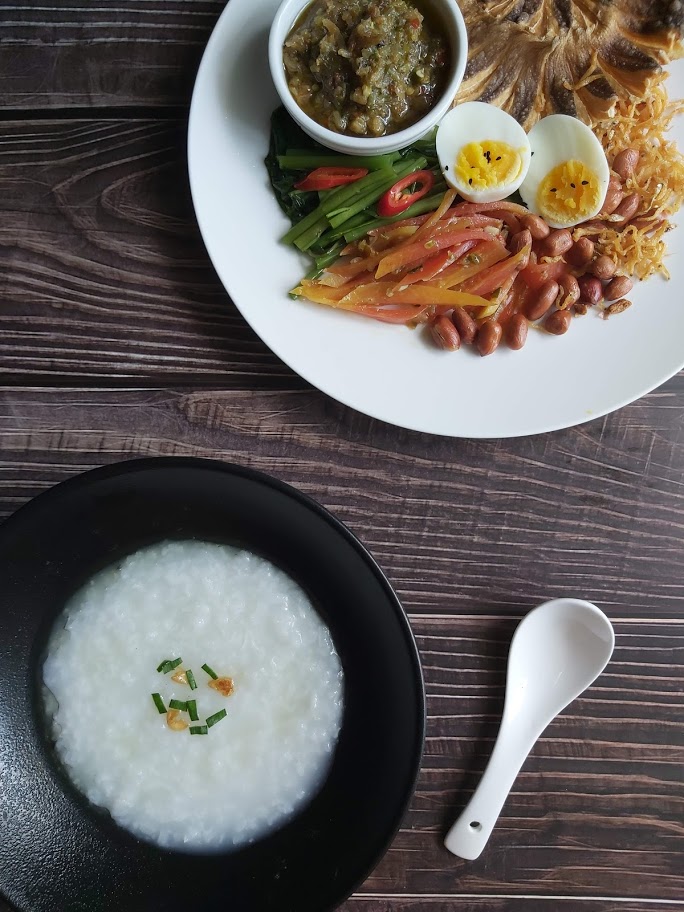
How to Cook Indonesian Flavors at Home
Start with the Right Base
Indonesian cooking often relies on a spice paste called bumbu, made by grinding garlic, shallots, ginger, and chilies into a smooth paste. Use a mortar and pestle or a food processor to create a fragrant foundation that will carry the rest of your dish.
Layering Aromatics
After sautéing the bumbu, add aromatics like lemongrass, kaffir lime leaves, or galangal. These ingredients infuse the oil with citrusy, herbal notes that are signature to many Indonesian recipes.
Embrace Coconut Milk
Coconut milk is a staple in many curries, soups, and stews. It adds a creamy texture and subtle sweetness, balancing the heat from chilies. Use it sparingly to avoid overpowering the dish.
Practical Tips for Authentic Ingredients
- Freshness matters. Choose fresh fish, herbs, and spices whenever possible. If you’re in a supermarket, look for the freshest produce section or a specialty Asian market.
- Substitutions work. If you can’t find galangal, ginger is a suitable stand‑in. For coconut milk, coconut cream mixed with water can mimic the right consistency.
- Use a spice grinder. A small grinder or a high‑speed blender can turn whole spices into a fine powder, making it easier to incorporate into sauces.
- Buy pre‑made paste. Many grocery stores carry pre‑made bumbu paste—great for beginners or when you’re short on time.
- Fermented foods add depth. Tempeh, tempeh, and tempeh are not only protein‑rich but also introduce a savory, nutty flavor that enhances any dish.
Conclusion
Indonesian cuisine offers a harmonious blend of healthful ingredients, bold flavors, and cultural depth. Whether you’re sampling street food in Jakarta or recreating a slow‑cooked rendang in your kitchen, the experience is both nourishing and adventurous. Start with the basics—bumbu, coconut milk, and fresh produce—and let the spices guide you to a culinary journey that’s as vibrant as the islands themselves.