
Street food is more than quick bites; it’s a living archive of culture, innovation, and community. While the bright neon signs and sizzling grills attract the masses, the real magic lies in the subtle details that seasoned vendors keep under wraps. Below we unveil the hidden secrets that elevate street food from ordinary to extraordinary, and share practical advice for the curious traveler and the cautious foodie alike.
1. The Hidden Ingredients That Make Street Food Unforgettable
What sets a street vendor’s dish apart is often a single, secret ingredient that balances flavors or enhances aroma. In Southeast Asia, for example, a dash of fermented fish sauce is blended with fresh lime and chilies to create a punchy umami base. In Mexico, a touch of mole poblano—ground chocolate, dried chilies, and a hint of cinnamon—adds depth to tacos that would otherwise taste flat.
These ingredients are typically sourced locally and are inexpensive, allowing vendors to keep prices low while delivering a complex taste profile. To spot them, look for:
- Smell – a distinct aroma that lingers on the tongue.
- Color – a slight tint that signals the addition of herbs or spices.
- Texture – a subtle crunch or silkiness hinting at fresh toppings.
When you taste a dish that feels “just right,” you’ve likely encountered one of these secret ingredients.
2. Beyond the Stalls: The Art of Street Food Presentation
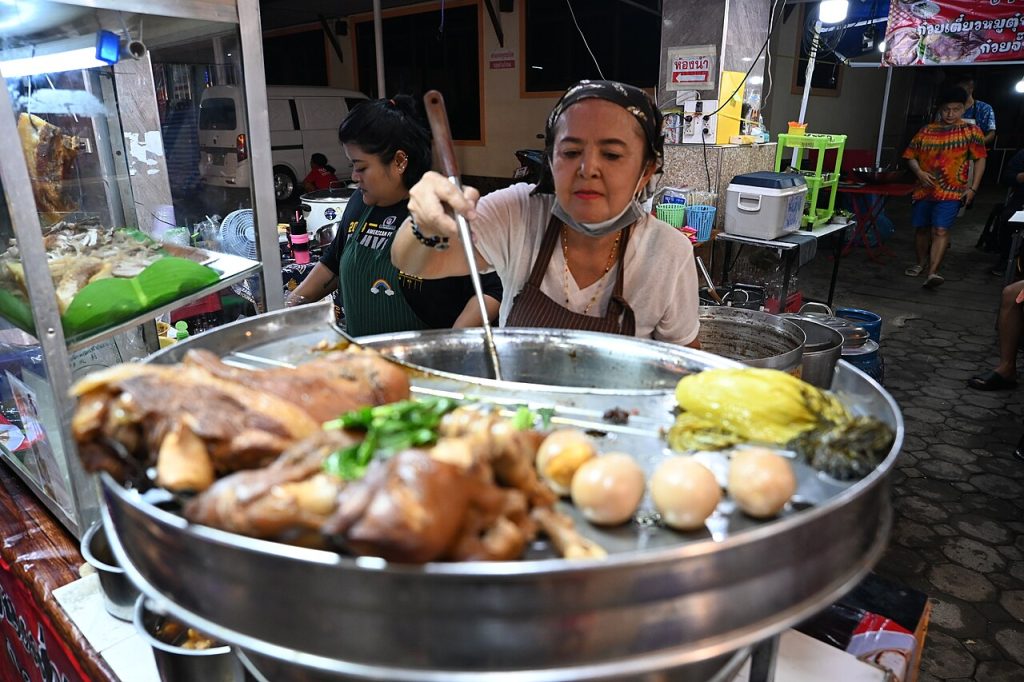
Presentation isn’t just about aesthetics; it’s a communication tool that tells the eater what to expect. Vendors master this through:
- Color contrast – pairing bright vegetables with deep sauces to create visual appeal.
- Texture layering – combining crispy, chewy, and soft elements in one bite.
- Hand‑crafted packaging – using biodegradable bamboo or paper to keep food warm while reducing waste.
These visual cues help the customer decide quickly, a critical factor in bustling markets where time is limited. By learning to read these signals, you can choose stalls that consistently deliver both flavor and visual satisfaction.
Practical Tip: Take a quick photo of a vendor’s dish before ordering.
Most vendors are proud of their presentation and will happily share a picture. It not only helps you remember the stall later but also ensures you’re not misled by a dish that looks different once plated.
3. Safety and Hygiene Tips for the Savvy Foodie
While street food offers incredible flavors, it also presents food safety challenges. Follow these guidelines to stay healthy:
- Check the vendor’s hygiene station. A clean, well‑maintained grill and fresh utensils are good signs.
- Watch for crowd behavior. A busy stall usually means the food is fresh and in demand.
- Inspect the ingredients. Fresh produce, properly cooked meats, and visible oils indicate attention to detail.
- Ask about sourcing. Vendors who can explain where they get their ingredients are often more trustworthy.
When in doubt, choose stalls with visible, open cooking areas. Avoid food that has been left out for too long or looks overly greasy.
Practical Tip: Carry hand sanitizer and keep your phone clean.
Before and after eating, wash your hands or use sanitizer. Keep your phone clean to reduce the risk of contamination from surfaces.
4. How to Find Authentic Street Food While Traveling
Finding the real deal can be daunting, but a few strategies make it easier:
- Listen to locals. Ask residents for their favorite stalls rather than tourist hotspots.
- Observe the crowd. A mix of locals and tourists usually signals a popular, authentic spot.
- Use social media wisely. Platforms like Instagram often feature street food photos; verify the vendor’s authenticity by checking comments and tags.
- Follow your nose. The scent of cooking is a reliable indicator of fresh, quality food.
When you discover a hidden gem, support the vendor by purchasing more than one dish or buying a small souvenir. Your patronage can help sustain the local economy.
5. The Rise of Street Food Festivals and What to Expect
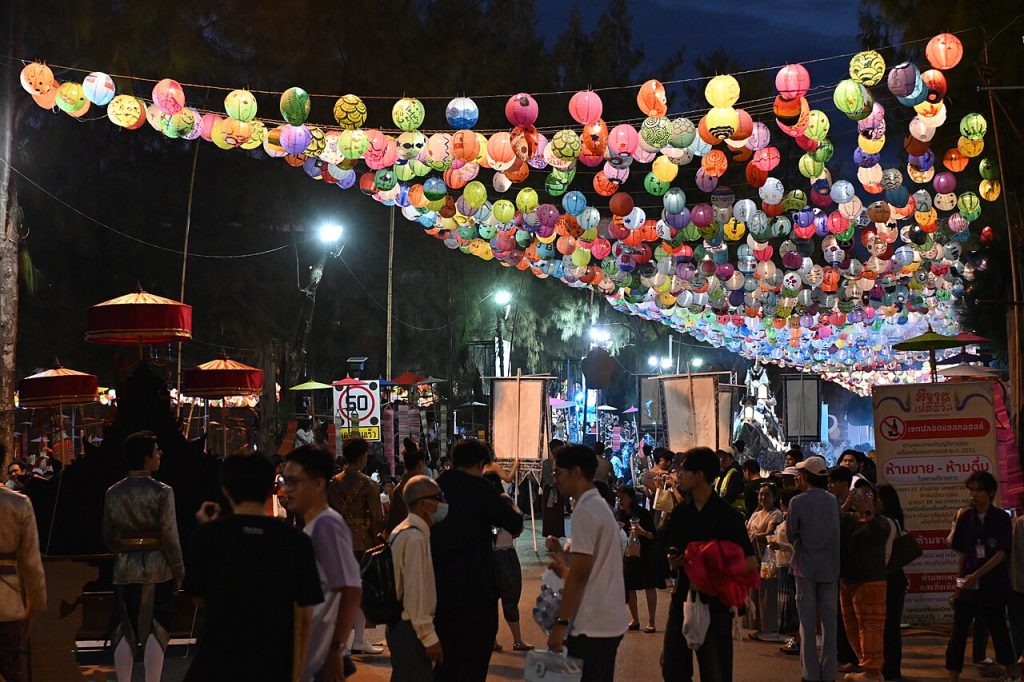
Street food festivals have become cultural phenomena, bringing together vendors from around the world. These events offer:
- Diversity of flavors. Expect a mix of regional specialties in one venue.
- Educational workshops. Many festivals host cooking classes or talks on sustainability.
- Community engagement. Meet vendors, learn their stories, and understand the cultural context of their dishes.
Plan your visit by checking the festival’s schedule for vendor lineups and special events. Arrive early to experience the freshest offerings and avoid the midday crowds.
Conclusion
Street food is a dynamic tapestry of flavor, culture, and ingenuity. By understanding the hidden ingredients, mastering presentation cues, prioritizing safety, and following proven tips for discovery, you can enjoy street food that’s not only delicious but also authentic and responsibly sourced. Next time you stroll through a market, keep your senses sharp and your curiosity alive—there’s always a new secret waiting to be uncovered.