
Japanese cuisine is celebrated worldwide for its elegance, precision, and depth of flavor. Yet, most travelers and food lovers focus on a handful of iconic dishes—sushi, ramen, and tempura. Beneath these familiar staples lies a rich tapestry of regional specialties, age‑old seasoning techniques, and humble ingredients that can transform any meal into an unforgettable adventure.
Beyond Sushi: Regional Specialties
Japan’s archipelago offers distinct culinary identities shaped by geography, climate, and history. Exploring these regional dishes reveals flavors that are often overlooked in international menus.
- Hokkaido’s Seaweed Soup (Kombu Dashi) – A clear broth made from kelp and bonito flakes, served with local seafood and seasonal vegetables.
- Kyoto’s Matcha‑Infused Desserts – From matcha ice cream to sweet rice cakes, Kyoto blends tea culture with delicate sweets.
- Okinawa’s Goya Champuru – A stir‑fry featuring bitter melon, tofu, and pork, showcasing Okinawan health‑oriented cooking.
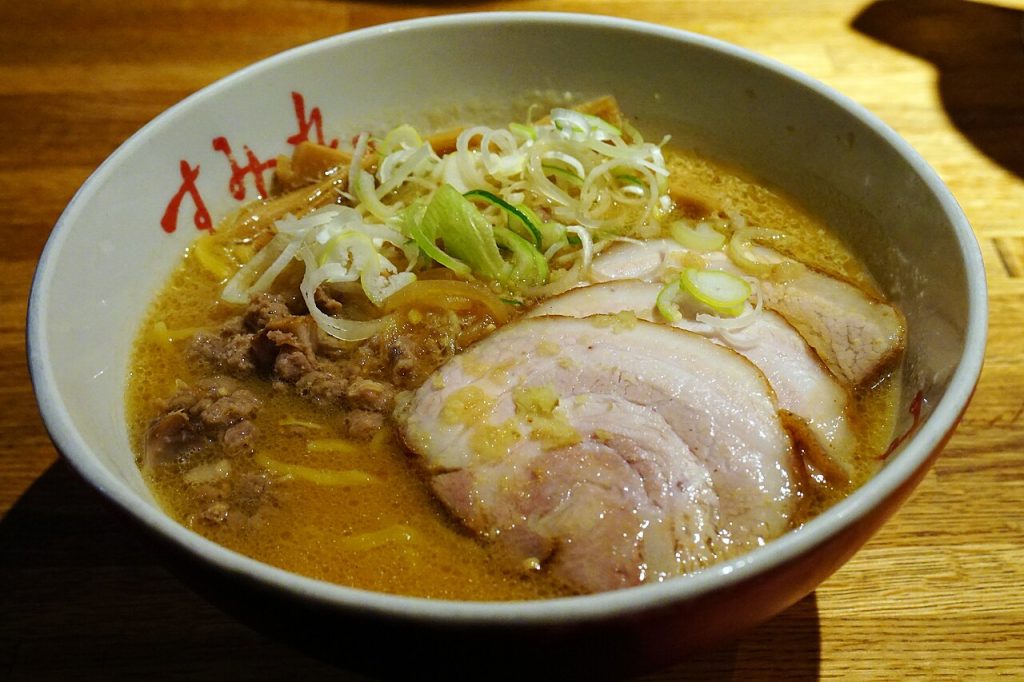
- Fukuoka’s Hakata Ramen – A pork bone broth that is rich, silky, and often topped with bamboo shoots and green onions.
These dishes illustrate how local ingredients and traditions shape Japanese gastronomy. Sampling them offers a window into regional history and the diverse palate of Japan.

The Art of Umami: Seasonings & Techniques
Umami, the savory “fifth taste,” is the cornerstone of Japanese flavor. Mastering its subtle balance requires an understanding of ingredients and preparation methods.
- Shoyu (Soy Sauce) – Distilled from soybeans and wheat, it brings depth and saltiness. Regional varieties like Hokkaido shoyu have a sweeter profile, while Kansai shoyu leans more savory.
- Mirin – A sweet rice wine that adds glaze and mellow sweetness to sauces and marinades.
- Wafu (Japanese‑style) Butter – A blend of butter and sea salt, often used in grilled fish and seafood to enhance natural flavors.
- Yuzu Kosho – A fiery condiment of yuzu citrus, chili peppers, and salt, perfect for seasoning grilled meats and noodles.
Cooking techniques such as shokado (light seasoning) and fukuro (covering) help maintain the integrity of ingredients while amplifying umami. For instance, simmering kombu dashi for a short time preserves its subtle flavor without bitterness.
Hidden Gems in Everyday Ingredients
Japanese cooking thrives on the meticulous use of simple, often overlooked items. Incorporating these can elevate a dish from ordinary to extraordinary.
- Sansho Pepper – A citrus‑spiced pepper that adds a tingling heat, commonly sprinkled over sashimi or grilled meats.
- Hōjicha – Toasted green tea that imparts a nutty, caramel aroma, ideal in sauces and marinades.
- Shiso Leaves – A fragrant herb with a peppery, minty flavor, used as a garnish or in salads.
- Wakame Seaweed – Adds umami and texture to soups and salads, rich in iodine and minerals.
Using these ingredients thoughtfully can create layers of taste that resonate with traditional Japanese dining.
Practical Tips for Authentic Experience
Whether you’re dining out, cooking at home, or traveling across Japan, these practical suggestions help you enjoy genuine Japanese cuisine.
- Start with a Clear Broth – Many dishes begin with dashi. Learn how to make a simple kombu‑bonito broth to use as a base for soups, sauces, and rice.
- Respect Seasonal Ingredients – Japanese cuisine values “shun” (seasonality). Choose produce that is in peak season for maximum flavor.
- Use Authentic Utensils – A bamboo steamer, a Japanese chef’s knife, or a small wooden spoon can influence the texture and aroma of your dishes.
- Pair with Sake or Green Tea – Complement your meal with a local sake or a cup of matcha to enhance the umami experience.
- Observe Presentation – Japanese food is as much about aesthetics as taste. Arrange ingredients with color contrast and minimalism for a true feel.
Savor the Secrets
Japanese cuisine invites curiosity and respect. By venturing beyond the standard sushi bar, exploring regional specialties, mastering umami seasonings, and embracing humble ingredients, you unlock a world of flavors that speak to the heart of Japan. Whether you’re a seasoned foodie or a curious beginner, these lesser‑known secrets promise a richer, more authentic culinary journey.