
In a fast‑moving culinary landscape, traditional food stands out as a living archive of culture, history, and nutrition. Rooted in local ingredients and age‑old techniques, these dishes offer more than taste—they provide community, identity, and a balanced diet. This guide explores why traditional cuisine matters, showcases iconic dishes from key regions, and offers practical ways to incorporate heritage flavors into everyday meals.

Benefits of Eating Traditional Food
Traditional dishes are crafted with regional ingredients and time‑tested methods, resulting in several health and social advantages:
- Nutrient Density: Local produce and grains are used at peak ripeness, ensuring higher levels of vitamins, minerals, and antioxidants.
- Balanced Macros: Many classic recipes combine protein, complex carbs, and healthy fats in harmony, reducing the risk of over‑processing.
- Digestive Health: Fermented foods, stews, and slow‑cooked meals promote a healthy gut microbiome.
- Food Security: Relying on locally available staples strengthens resilience against global supply chain disruptions.
- Cultural Connection: Sharing family recipes fosters intergenerational bonds and preserves intangible heritage.
Examples of Traditional Dishes Around the World
Middle Eastern – Couscous & Tagine
Steamed semolina grains, often paired with slow‑cooked tagines of lamb or vegetables, are staples in North Africa. The slow cooking process melds spices like cumin, coriander, and saffron, while the couscous absorbs flavors through gentle steaming.
East Asian – Sushi & Miso Soup
Japanese cuisine balances raw fish, vinegared rice, and fermented miso. The precision in slicing and the umami depth of miso soup provide a satisfying, low‑fat meal that is also rich in probiotics.
South Asian – Thali & Dal
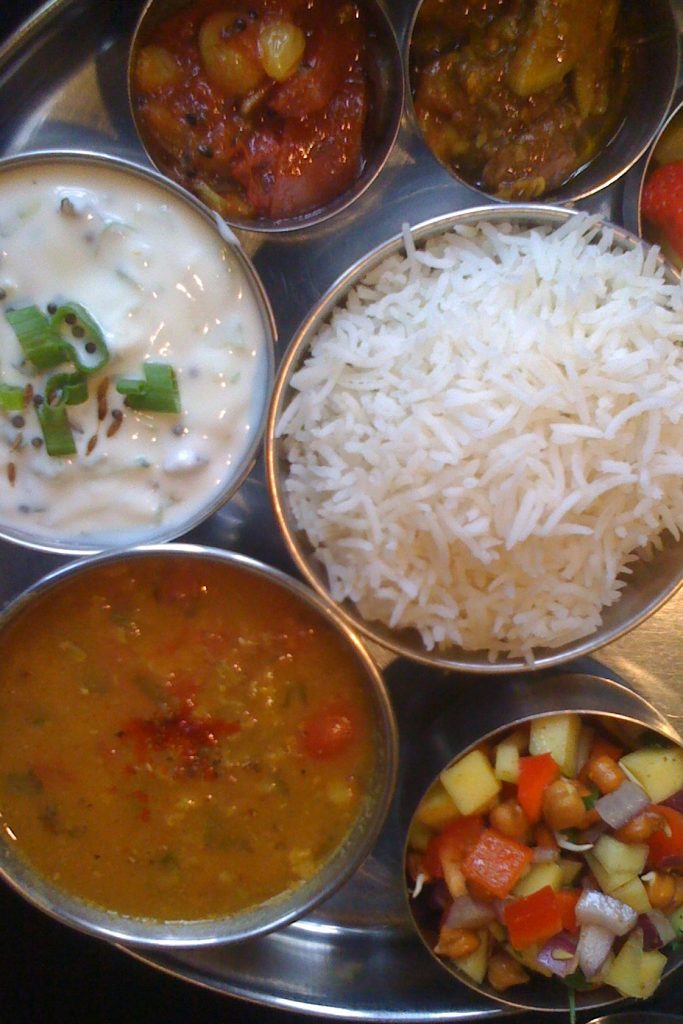
An Indian thali is a platter of rice, lentils, vegetables, and pickles, showcasing regional diversity in spices. Dal, the lentil stew, offers plant‑based protein and fiber, while spices like turmeric add anti‑inflammatory benefits.
Latin American – Feijoada & Tamales
Brazilian feijoada is a hearty black bean stew with pork, served with rice and collard greens. Mexican tamales, wrapped in corn husks, combine masa dough with fillings such as pork, cheese, or chilies.
European – Coq au Vin & Pierogi
French coq au vin braises chicken in red wine, garlic, and mushrooms, creating a rich, comforting dish. Polish pierogi, filled with potato, cheese, or meat, reflect the region’s tradition of portable, hearty food.
Practical Tips for Bringing Traditional Cuisine Home
Recreating authentic flavors doesn’t require a trip abroad. Here are actionable steps to bring heritage dishes into your kitchen:
- Source Fresh, Local Ingredients: Visit farmer’s markets or specialty stores for authentic spices and produce.
- Use Traditional Tools: A Dutch oven, tagine, or bamboo steamer can mimic cooking methods used in original recipes.
- Learn the Basics of Fermentation: Making kimchi, sauerkraut, or yogurt at home adds depth and probiotic benefits.
- Respect Cooking Times: Slow‑cooking stews or braises unlock flavors; avoid rushing the process.
- Adapt Portion Sizes: Traditional meals are often designed for communal sharing—adjust portions to fit modern family units.
- Document Your Variations: Keep a recipe journal to refine flavors and pass on your adaptations.
- Invite Guests: Hosting a themed dinner night introduces friends to new cultural tastes and fosters culinary curiosity.
Ideas for Seasonal Traditional Menus
Seasonal ingredients make traditional dishes feel fresh and relevant. Below are sample menus for spring, summer, and winter, each incorporating classic recipes tailored to the season’s bounty.
- Spring: Mediterranean couscous salad with fresh herbs, a light lemon vinaigrette, and grilled chicken; finish with a cucumber‑yogurt dip.
- Summer: Japanese sushi rolls featuring seasonal fish, avocado, and cucumber; serve with a miso soup enhanced with summer mushrooms.
- Winter: Indian thali featuring spiced lentils, paneer, and roasted root vegetables; pair with a hot ginger tea.
Conclusion
Traditional food offers a bridge between past and present, delivering balanced nutrition, cultural storytelling, and culinary pleasure. By exploring classic dishes, respecting their origins, and thoughtfully adapting them to modern lifestyles, we can enjoy the richness of global heritage while nourishing our bodies. Start with one recipe today, and let the flavors of tradition inspire your next culinary adventure.