
Indonesia, an archipelago of over 17,000 islands, offers a culinary landscape as diverse as its culture. From the fragrant curries of Bali to the fiery sambals of West Java, the country’s food reflects its geography, history, and people. Yet, for travelers and food lovers alike, navigating this vast menu can feel daunting. This guide will help you choose the right Indonesian dishes so you can taste the best of the islands without getting overwhelmed.
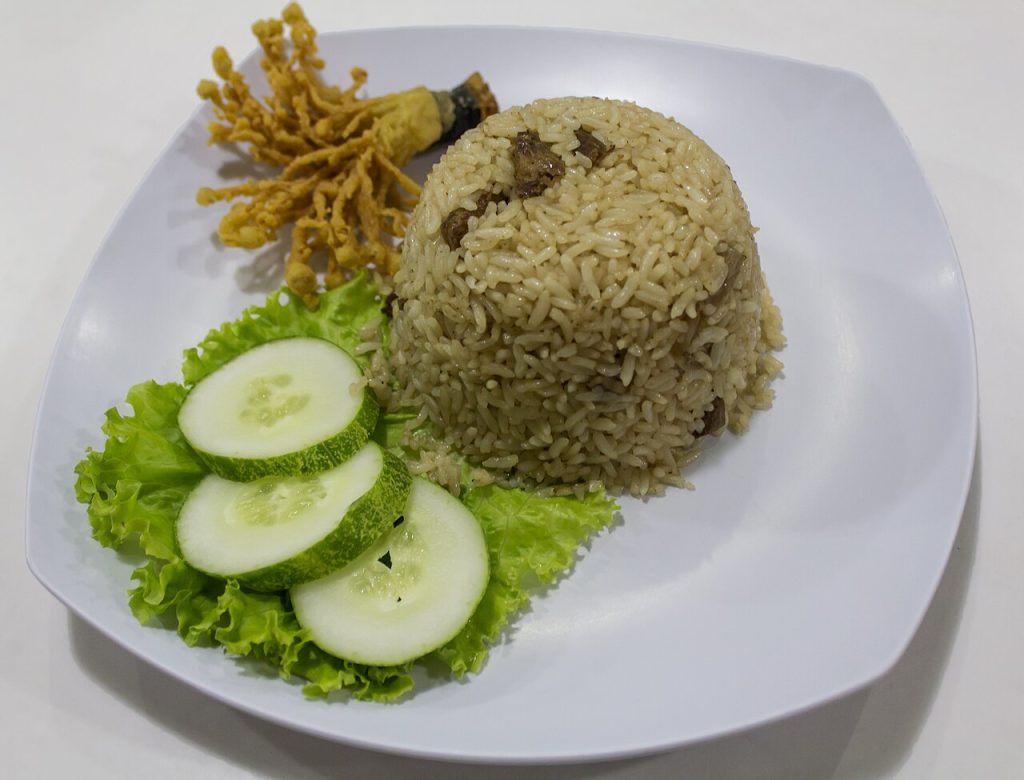
Understanding Indonesian Cuisine
Indonesian food is a tapestry woven from spices, herbs, and local ingredients. While many dishes share common elements—such as coconut milk, lemongrass, and chili—regional variations give each dish a distinct identity. Knowing these differences will help you decide what to try based on your palate and preferences.
Regional Diversity
- Sumatra: Known for rich, savory stews like rendang (slow‑cooked beef in coconut milk and spices) and spicy soups.
- Bali: Emphasizes fresh herbs and coconut, with dishes like babi guling (roasted suckling pig) and lawar (spicy salad).
- Java: Offers a blend of sweet and savory; try nasi goreng (fried rice) and gado‑gado (vegetable salad with peanut sauce).
- Kalimantan: Features freshwater fish and rendang variations, often spicier.
- Maluku & Papua: Highlight seafood, tropical fruits, and unique spices like bird’s eye chili.
Signature Dishes
Some dishes have become emblematic of Indonesian cuisine worldwide. When in doubt, start with:
- Nasi Padang – a buffet of small plates served with rice, featuring a range of flavors from mild to fiery.
- Sate Ayam – skewered chicken grilled and glazed with sweet soy sauce.
- Rendang – a slow‑cooked beef or pork dish, rich in spices and coconut milk.
- Ayam Goreng – Indonesian fried chicken marinated in turmeric and garlic.
- Gado‑gado – mixed vegetables tossed in a creamy peanut sauce.
Choosing the Right Dish
With so many options, consider these factors when selecting a meal:
Spice Level
Indonesia uses a wide range of chilies. If you’re new to spicy food, start with milder dishes and gradually increase heat. Many restaurants offer a “spice level” indicator—green for mild, yellow for medium, and red for hot. Don’t hesitate to ask the waiter for a recommendation that matches your tolerance.
Dietary Restrictions
Indonesia is predominantly Muslim, so halal options are widely available. For vegetarians and vegans, look for dishes labeled vegetarian or vegan. Rice, noodles, and tofu are common staples that can be adapted. If you have allergies, clarify ingredients; for example, some sauces contain shrimp paste.
Authenticity vs. Adaptation
Tourist hotspots often simplify dishes for Western palates. To experience authenticity, seek out local eateries (warungs) where chefs use traditional methods. A warung will usually serve a smaller portion of each dish, encouraging you to sample a variety.
Practical Tips for Food Adventures
Ask Locals
Indonesians love sharing their favorite spots. A quick question to a neighbor or a barista can uncover hidden gems that aren’t on any guidebook.
Look for Freshness
Freshness is a hallmark of Indonesian cuisine. When choosing seafood, look for clear, bright eyes and firm flesh. For meats, opt for bright, unblemished skin. Fresh produce should feel firm and display vibrant colors.
Try Street Food
Street stalls are often the most vibrant and economical way to taste authentic flavors. From bakso (meatball soup) to martabak (stuffed pancakes), street food offers a quick dive into local tastes. Just be sure to pick stalls that cook in front of you to ensure hygiene.
Conclusion
Choosing the right Indonesian food boils down to a few simple principles: understand regional styles, match spice levels to your palate, respect dietary needs, and seek authenticity. Armed with these guidelines, you’ll not only enjoy delicious meals but also connect with the cultural heart of Indonesia. So next time you visit, let curiosity guide your plate and savor the island’s culinary diversity.