
Introduction
Street food is more than a quick bite; it’s a cultural passport that lets travelers taste the soul of a city without the formalities of a restaurant. From the smoky grills of Bangkok to the sizzling pans of Mexico City, these portable kitchens offer fresh, affordable, and often surprising dishes. Whether you’re a seasoned traveler or a local food enthusiast, understanding the benefits of street food can enrich your culinary adventures.
Why Street Food Matters
Street vendors tap into local traditions, using ingredients sourced on the spot and recipes passed down through generations. Their openness to experimentation—think fusion tacos or kimchi-infused hot dogs—keeps street food dynamic. Economically, stalls provide livelihood for thousands of families worldwide, while socially, they create informal gathering spots that foster community.
Health and Economic Benefits
Contrary to the stereotype that street food is unhealthy, many vendors prioritize fresh, seasonal produce. Because ingredients are used quickly, there’s less reliance on preservatives. Additionally, the high turnover means fewer food safety violations, especially when vendors keep their setups clean and use hot cooking temperatures. From an economic perspective, street food is a low‑barrier entry into the food industry, offering entrepreneurs a chance to scale from a single cart to a full‑service restaurant.
Global Street Food Highlights
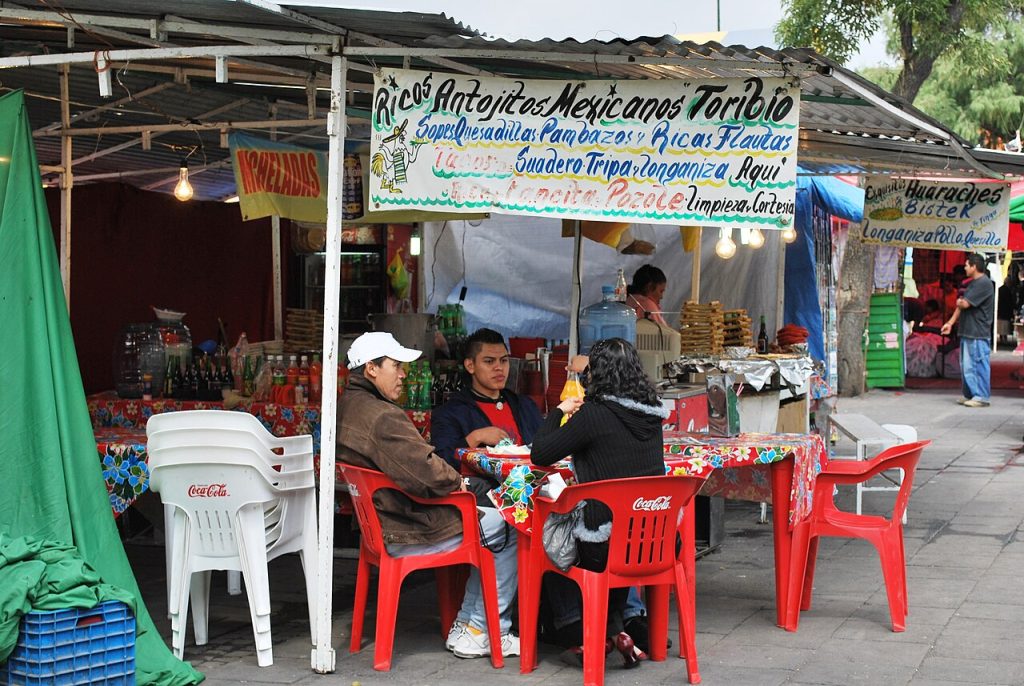
Mexico City Tacos
- Street stalls sell tacos with fillings ranging from al pastor (marinated pork) to cactus (nopal) and even sweet options like mango.
- Fresh corn tortillas are made on the spot, ensuring a soft, warm base.
- Accompanied by lime, cilantro, and a splash of spicy salsa.
Bangkok Street Food
- From pad thai to mango sticky rice, vendors offer a spectrum of flavors.
- Stalls often use charcoal grills, imparting a smoky depth to meats.
- Fresh herbs and lime are essential for balancing sweet, sour, and salty notes.
New York Street Food
- Food carts serve everything from halal gyro to ramen.
- Fusion dishes like Korean BBQ tacos showcase cross‑cultural creativity.
- Many vendors source locally grown produce, supporting the city’s sustainability efforts.

Practical Tips for Enjoying Street Food Safely
While the experience is thrilling, a few precautions can help you avoid disappointment:
- Look for vendors that cook in front of you; a busy stall indicates freshness.
- Check that the stall maintains a clean workspace and uses gloves.
- Choose places with high foot traffic; locals tend to trust popular spots.
- When in doubt, ask the vendor about ingredient sourcing and preparation methods.
Creative Street Food Ideas at Home
Bring the street vibe to your kitchen with these easy recipes:
- Homemade Tacos – Grill marinated chicken or tofu, warm corn tortillas, and top with diced onions, cilantro, and a squeeze of lime.
- Ramen Street‑Style – Simmer a quick broth with soy sauce, garlic, and ginger; add ramen noodles, sliced pork, a soft‑boiled egg, and scallions.
- Fusion Flatbread – Spread hummus on pita, sprinkle with chopped tomatoes, cucumbers, feta, and drizzle with olive oil for a Mediterranean‑inspired street snack.
Conclusion
Street food offers a window into a culture’s heart, blending tradition with innovation. By choosing vendors wisely, staying mindful of safety, and experimenting with homemade versions, you can enjoy the rich flavors of the world right from your own table. Next time you’re in a city, step outside the hotel and let the street vendors guide you on a culinary adventure you’ll never forget.