
Introduction
Chinese food is celebrated worldwide for its vibrant flavors, diverse regional styles, and centuries of culinary tradition. Whether you’re a curious foodie or a seasoned home cook, this guide will give you a solid foundation to explore Chinese cuisine. From the aromatic spices of Sichuan to the delicate dim sum of Canton, we’ll cover the essential elements that make Chinese cooking unique.
1. A Brief History of Chinese Cuisine
Chinese culinary history stretches back thousands of years, evolving alongside the country’s dynastic changes, geography, and cultural exchanges. Key milestones include the use of soy sauce and fermented sauces during the Zhou dynasty, the spread of Cantonese dim sum in the 19th century, and the modern fusion trends that blend traditional techniques with global flavors.
Regional Diversity
- Shandong (Seafood & Peking Duck): Known for its emphasis on freshness and the use of brine.
- Sichuan (Spicy & Flavorful): Famous for chili peppers, Sichuan peppercorns, and bold sauces.
- Canton (Dim Sum & Steamed Dishes): Focuses on light, subtle flavors and delicate textures.
- Hunan (Hot & Sour): Uses generous amounts of garlic and chili oil.
- Yunnan (Mushroom & Herb-Infused): Highlights local herbs and wild mushrooms.
2. Core Flavor Profile and Seasonings
Chinese cooking balances the five basic tastes: sweet, sour, salty, bitter, and umami. The most common seasonings include soy sauce, oyster sauce, fermented bean paste, sesame oil, rice wine, and star anise. Understanding how these flavors interact is key to recreating authentic dishes.
Essential Seasoning Mixes
- Wok‑Tossing Base: Soy sauce + oyster sauce + sugar + Shaoxing wine.
- Sichuan Peppercorn Paste: Chili oil + ground peppercorns + fermented bean paste.
- Five‑Spice Blend: Cinnamon, cloves, star anise, fennel, and Sichuan peppercorn.
3. Common Ingredients You’ll Need
Stocking a Chinese pantry doesn’t have to be overwhelming. Here’s a quick list of staples to keep on hand.
- Rice (steamed, jasmine, or sticky)
- Starchy vegetables (bok choy, Chinese broccoli, carrots)
- Proteins (pork belly, chicken thighs, tofu, shrimp)
- Fermented sauces (soy, oyster, hoisin, fermented bean paste)
- Spices (Sichuan peppercorns, dried chilies, star anise)
- Miscellaneous (ginger, garlic, scallions, sesame oil)
4. Essential Cooking Techniques
Mastering a few foundational techniques will open up a world of Chinese dishes.
Stir‑Frying
High heat, quick cooking, and constant movement keep veggies crisp and sauces glossy.
Steaming
Used for dumplings, buns, and fish, steaming preserves delicate flavors and textures.
Deep‑Frying
Creates a crispy exterior while keeping the interior moist—think egg rolls and crispy chicken.
Simmering
Low‑heat, long cooking for braised dishes like beef brisket or braised pork belly.
5. Popular Beginner‑Friendly Dishes
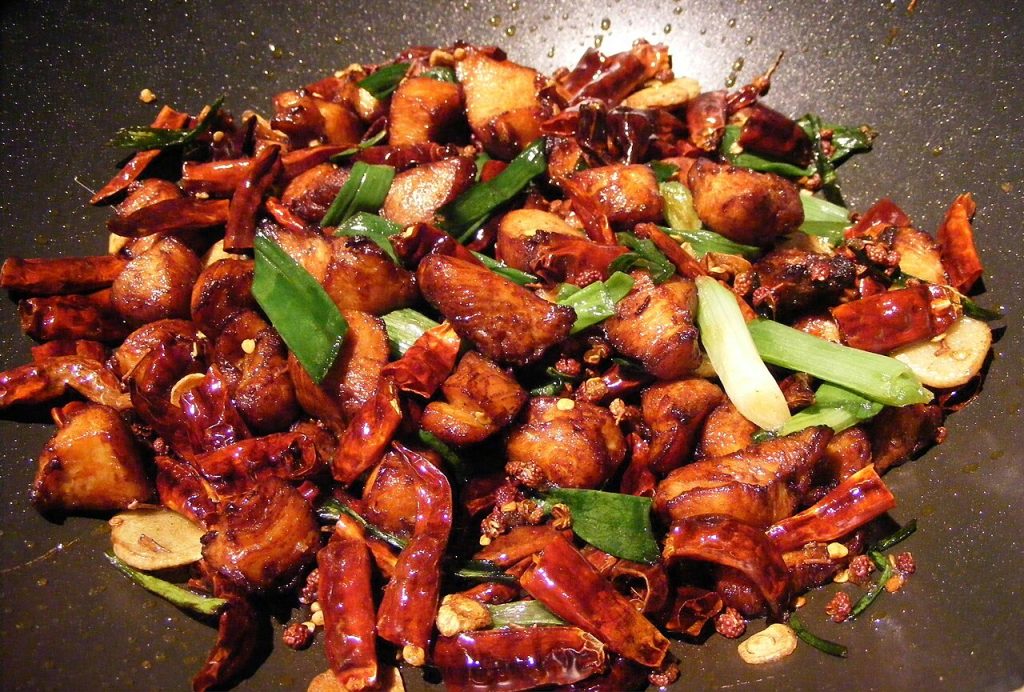
- Kung Pao Chicken – Spicy, nutty, and slightly sweet.
- Mapo Tofu – Silky tofu in a spicy bean sauce.
- Ma Po Tofu – A classic Sichuan dish with bold flavors.
- Sweet & Sour Pork – A balanced mix of tangy and sweet.
- Hot Pot – A communal, customizable meal.
- Dim Sum (Pigs’ Blood Soup, Shrimp Dumplings) – Bite‑size, flavorful treats.
6. Practical Tips for Beginners
- Start Small: Pick one regional style and master a few dishes before expanding.
- Use a Wok: A wok’s shape allows for better heat distribution and quick cooking.
- Prep Ahead: Dice veggies, marinate proteins, and measure sauces before you begin.
- Control Heat: Keep the flame high for stir‑fry but reduce it for simmering to avoid burning.
- Taste as You Go: Adjust salt, sweetness, or acidity gradually.
- Embrace Leftovers: Many Chinese dishes taste better the next day.
- Learn Basic Knife Skills: Uniform cuts cook evenly and look professional.
Conclusion
Chinese cuisine offers endless opportunities for exploration, from simple home‑cooked meals to elaborate banquet spreads. By familiarizing yourself with regional flavors, essential ingredients, and foundational techniques, you’ll be well on your way to creating delicious, authentic dishes that impress family and friends alike. Start with one dish, experiment, and let curiosity guide you—your culinary journey across China begins on your own kitchen table.