
Introduction
Indonesia’s culinary landscape is a tapestry of spices, fresh herbs, and bold flavors that can transform any meal into a memorable experience. Whether you’re a seasoned cook or just starting out, these practical tips will help you navigate the world of Indonesian cuisine and start creating dishes that taste like a trip to Jakarta, Bali, or Yogyakarta—all from your own kitchen.
1. Understanding Indonesian Flavor Profile
Indonesian food thrives on a balance of sweet, salty, sour, and spicy elements. Think of sweet palm sugar paired with tangy tamarind, or the heat of chili offset by the freshness of lime and herbs.
- Sweetness often comes from palm sugar, coconut milk, or candied ginger.
- Sourness is usually from tamarind, lime, or vinegar.
- Spiciness is delivered by fresh chilies, galangal, and peppercorns.
- Umami is enriched by fermented fish sauces, shrimp paste, or soy sauce.
Keep these four pillars in mind when you’re seasoning or tasting; they’ll guide you to the right balance.
2. Essential Ingredients You Should Stock
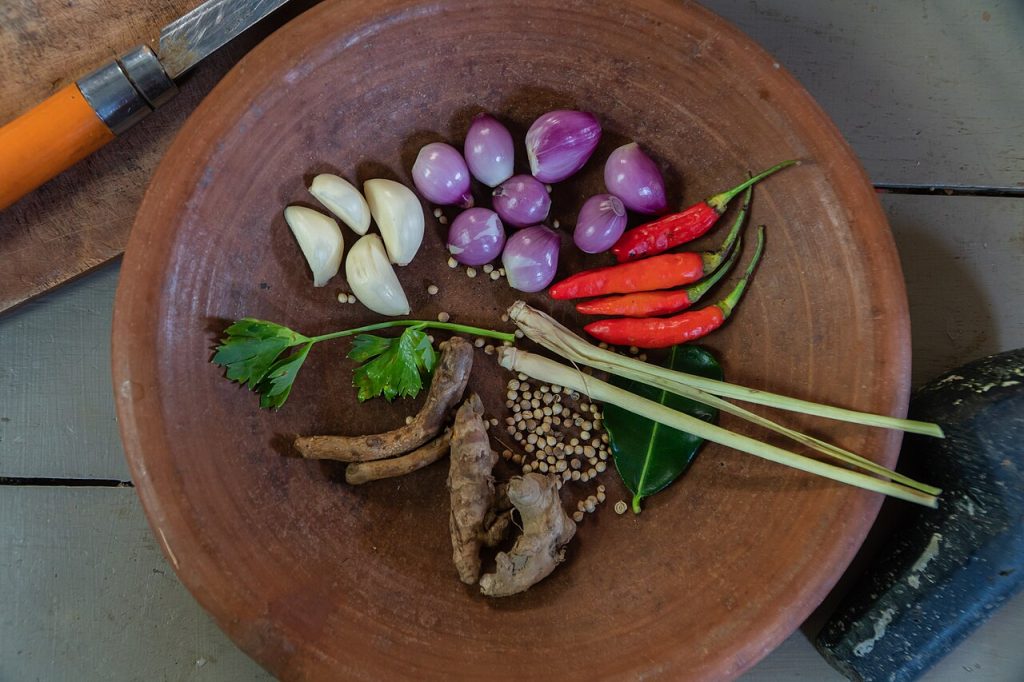
Having the right pantry staples on hand saves time and ensures authentic flavor. Build a small foundation of these items:
- Fresh chilies (bird’s eye, red bird’s eye, or jalapeño for a milder bite)
- Galangal and lemongrass (fresh or dried)
- Palm sugar or brown sugar
- Tamarind paste or whole tamarind pods
- Fish sauce (kecap ikan) and soy sauce (kecap manis)
- Shredded coconut (fresh or desiccated)
- Indonesian curry paste (rendang or bumbu)
- Fresh herbs: coriander, basil, and kaffir lime leaves
These ingredients form the backbone of most Indonesian dishes and are interchangeable depending on the recipe.
3. Kitchen Tools That Make a Difference
Indonesian cooking relies on quick, high-heat techniques. A few key tools will help you replicate restaurant-style dishes at home:
- Wok or wide skillet – Ideal for stir‑frying and searing.
- Mortar and pestle – Essential for grinding spices into fresh paste.
- Rice cooker or steamer – For perfectly fluffy rice or steamed vegetables.
- Heat‑resistant silicone spatula – Prevents scratching your cookware.
- Food processor – Speeds up chopping herbs and making sauces.
4. Quick Recipes to Get You Started
4.1. Nasi Goreng (Indonesian Fried Rice)
Ready in 15 minutes, this dish is a staple for breakfast, lunch, or dinner.
- Cook 2 cups of rice overnight and refrigerate.
- Sauté 1 onion, 2 cloves garlic, and 3 sliced chilies in oil.
- Add 1 cup of mixed vegetables and 200g protein (shrimp, chicken, or tofu).
- Stir in the rice, 2 tbsp fish sauce, 1 tbsp soy sauce, and a pinch of palm sugar.
- Finish with a splash of lime juice and chopped scallions.
4.2. Ayam Bumbu Rujak (Spicy Chicken)
This fragrant dish uses a blend of roasted spices.
- Marinate 500g chicken thighs in 1 tbsp turmeric, 1 tbsp galangal powder, and salt.
- Sauté 2 onions, 3 cloves garlic, 4 chilies, and 2 tbsp ground spices (coriander, cumin, cloves).
- Add the chicken, 200ml coconut milk, and simmer until tender.
- Serve with steamed rice and fresh cucumber slices.

5. Eating Etiquette & Table Settings
Indonesian dining is a communal experience. Here are a few cultural pointers to keep in mind:
- Use the right utensils – Rice is usually eaten with hands; for other dishes, use chopsticks or a fork.
- Share the dishes – It’s common to pass platters around the table.
- Respect the host – Offer a small portion to each guest before taking your own.
- Finish your plate – Leaving food is considered wasteful; try to finish what you’ve been served.
6. Where to Find Authentic Ingredients
Finding authentic spices can be challenging, but several options make it easier:
- Asian grocery stores often carry fresh lemongrass, galangal, and fish sauce.
- Online retailers specialize in Indonesian ingredients and ship worldwide.
- Farmers’ markets sometimes sell fresh herbs that you can substitute for dried ones.
- Local specialty stores may offer pre‑made curry pastes or spice blends.
Conclusion
Indonesian cuisine offers a rich palette of flavors that are surprisingly approachable once you know the fundamentals. By stocking essential ingredients, mastering a few key techniques, and embracing the communal spirit of dining, you can start creating authentic dishes that delight the senses. Grab your wok, fire up your stove, and let the adventure begin today.