
Introduction
Thai food is a symphony of sweet, sour, salty, bitter, and umami. Its balance hinges on precise ingredient ratios, fresh aromatics, and the right cooking technique. Even a small misstep—such as adding too much coconut milk or using the wrong heat—can tip the scales and turn a potential masterpiece into a disappointment. Below are the top mistakes people make when attempting Thai dishes and how to sidestep them.
1. Overusing Coconut Milk
Many beginners add coconut milk in large quantities to curry dishes, assuming it will make the sauce richer. However, coconut milk is a heavy, creamy ingredient that can overpower delicate flavors if used excessively.
- Why it matters: Excess coconut milk dilutes the bright acidity of lime and tamarind, and can make the dish taste bland.
- What to do: Use 1/2 cup of coconut milk for every 2 cups of liquid in a recipe. If you prefer a thicker sauce, let it simmer until it reduces naturally before adding the coconut milk.
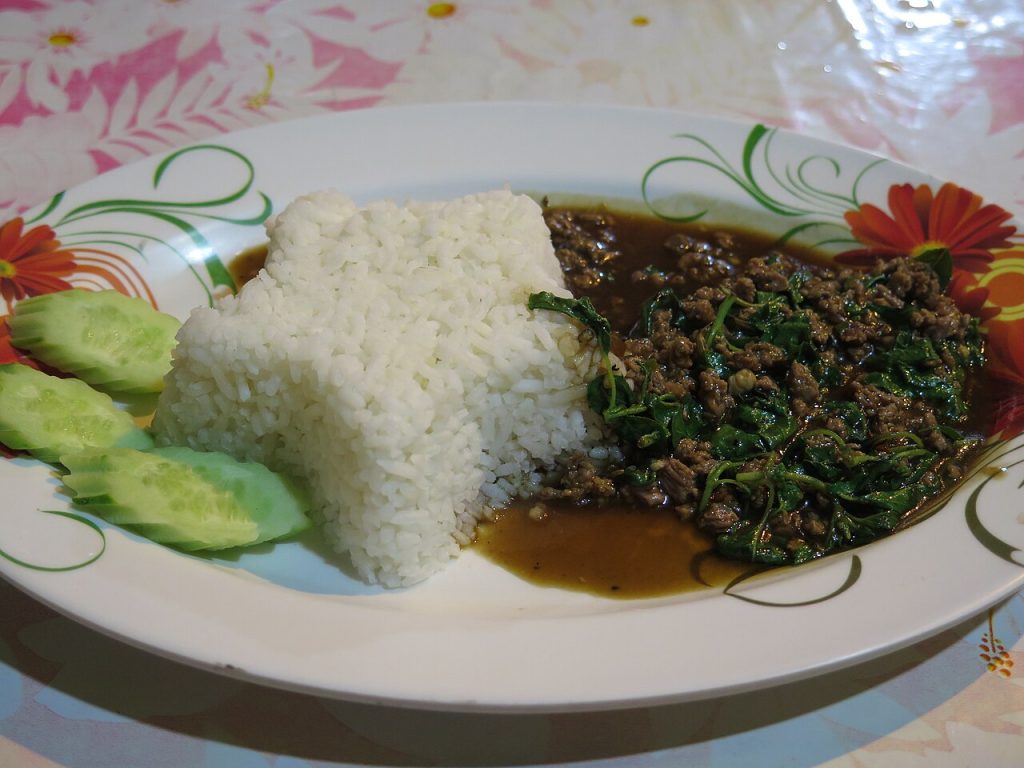
2. Misusing Aromatics
Thai cooking relies heavily on aromatics—lemongrass, galangal, kaffir lime leaves, and fresh chilies. Misusing or skipping these can strip a dish of its signature scent.
- Common error: Sautéing aromatics for too long, which burns them and creates bitterness.
- Correct technique: Lightly bruise lemongrass and galangal with a rolling pin before adding. Add them to the pan for 30 seconds to 1 minute, just until fragrant, then remove before they brown.
- Tip: Keep a small bowl of fresh chilies handy so you can adjust heat without overcooking.
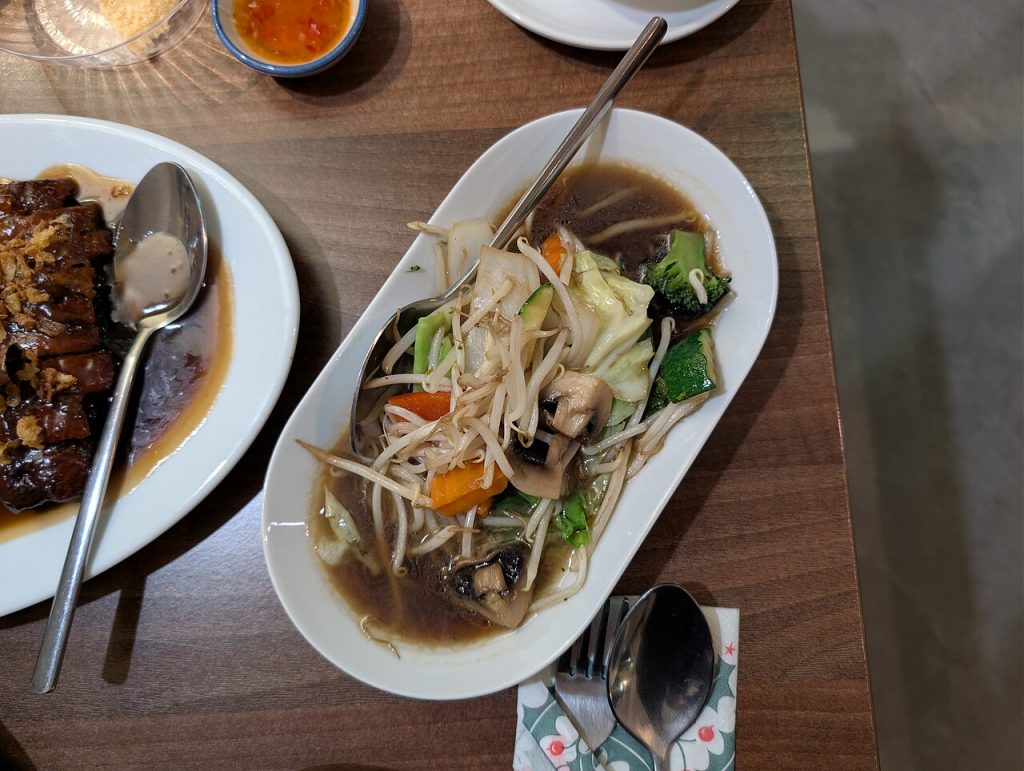
3. Incorrect Heat Levels
Thai dishes often call for a quick, high‑heat stir‑fry. Cooking at too low a temperature can cause ingredients to steam rather than sear, resulting in limp textures.
- Common mistake: Using a medium flame for pad thai, which leads to uneven cooking.
- Solution: Pre‑heat a wok or skillet over high heat until it’s smoking lightly. Add oil, then the aromatics, followed by the protein and vegetables. Stir constantly to keep everything moving.
- Pro tip: For delicate ingredients like bean sprouts, add them at the very end to preserve crunch.
4. Neglecting the Balance of Flavors
Thai cuisine is all about equilibrium. A dish that leans too heavily into one taste—sweet, salty, or sour—will feel off.
- Common pitfall: Adding too much fish sauce or soy sauce without balancing it with lime juice or tamarind.
- Fix: Taste as you go. Start with smaller amounts of salty or sweet ingredients and adjust gradually.
- Quick check: If the dish feels flat, a squeeze of fresh lime or a dash of palm sugar can bring life back.
5. Using Wrong Ingredients
Substituting ingredients without understanding their flavor profile can change the dish dramatically.
- Example: Replacing Thai basil with sweet basil alters the herbaceous note.
- Guideline: Source authentic ingredients where possible. If unavailable, choose the closest substitute and adjust seasoning.
- Tip: Keep a small spice rack with key Thai seasonings—fish sauce, tamarind paste, palm sugar, and chilies—to ensure authenticity.
6. Poor Timing in Stir‑Frying
Timing is critical. Adding protein too early or vegetables too late can ruin texture.
- Common mistake: Cooking shrimp for too long, making it rubbery.
- Correct approach: Cook proteins until just opaque, then remove them temporarily. Add them back at the end with a splash of sauce to finish.
- Vegetable timing: Add firmer veggies first, followed by quick‑cooking items like spinach or bean sprouts.
7. Practical Tips to Avoid Common Mistakes
- Prep first: Have all ingredients chopped and measured before you start cooking.
- Use a heat‑proof bowl: For balancing flavors, whisk fish sauce, lime juice, and palm sugar together in advance.
- Don’t over‑crowd the pan: This reduces heat and can cause steaming.
- Keep a tasting spoon: Continuously sample the sauce to catch imbalances early.
- Learn the “five tastes”: Sweet, salty, sour, bitter, and umami. Adjust until all are present but none dominate.
Conclusion
Mastering Thai cooking is less about memorizing recipes and more about understanding the principles that make the cuisine unique. By avoiding common pitfalls—such as overusing coconut milk, misusing aromatics, or neglecting flavor balance—you’ll create dishes that are both authentic and memorable. Keep your ingredients fresh, your heat high, and your palate attuned to the five fundamental tastes, and you’ll be well on your way to Thai culinary excellence.