
Traditional food is more than a recipe; it’s a living story of a people’s history, climate, and craftsmanship. While most cookbooks focus on the obvious steps, the real depth lies in the subtle details that have survived centuries. Below we uncover three layers of authenticity—ingredients, techniques, and mindful preparation—that will elevate your dishes from simple to memorable.
What Makes Traditional Food Truly Traditional?
Authenticity is measured by consistency, context, and community. A dish is considered traditional when it:
- Uses locally sourced staples: The ingredients are grown or raised in the region where the recipe originated.
- Respects the original flavor profile: The balance of sweet, salty, sour, umami, and bitter reflects the local palate.
- Preserves cultural rituals: Preparation methods often mirror communal practices, such as shared cooking or ceremonial serving.
When these criteria align, you’re not just cooking a meal—you’re participating in a heritage that has survived through generations.
Hidden Ingredients That Elevate Authenticity
Many traditional dishes rely on ingredients that are either seasonally available or regionally unique. These components add depth and a sense of place. Below are three often overlooked ingredients that can transform a familiar recipe.
- Sumac: A tangy, lemony spice native to the Middle East, sumac brightens stews and marinades with subtle acidity.
- Black garlic: Cultivated by fermenting whole garlic bulbs at controlled temperatures, black garlic offers a sweet, molasses-like flavor that deepens sauces and rubs.
- Amchur (mango powder): Made from sun-dried unripe mangoes, this powder provides a natural sourness that replaces lemon or tamarind in many South Asian dishes.
Incorporating these ingredients not only authenticates the dish but also introduces a new layer of complexity that can surprise and delight the palate.
Cooking Techniques Passed Down Through Generations
Traditional cuisine thrives on methods that have been refined over time. Mastering these techniques gives your food the depth and texture that modern shortcuts often lack.
Slow Fire Braising
Slow braising on a low, steady heat allows connective tissues to break down, creating a tender, melt‑in‑your‑mouth texture. Key steps include:
- Sealing the meat with a quick sear to lock in juices.
- Adding aromatic root vegetables and herbs that release flavor slowly.
- Covering tightly to trap steam, ensuring even cooking.
The result is a rich, savory broth that carries the essence of the ingredients.
Fermentation Magic
Fermented foods are staples in many cultures because they preserve nutrients and introduce complex umami notes. Common traditional ferments include:
- Kimchi (Korea) – fermented napa cabbage with chili, garlic, and fish sauce.
- Sourdough starter (Europe) – natural yeast that gives bread a tangy depth.
- Tempeh (Indonesia) – fermented soybeans bound into a firm cake.
Fermentation not only preserves but also creates unique flavor profiles that can’t be replicated by modern additives.
Practical Tips for Bringing Tradition Into Your Kitchen
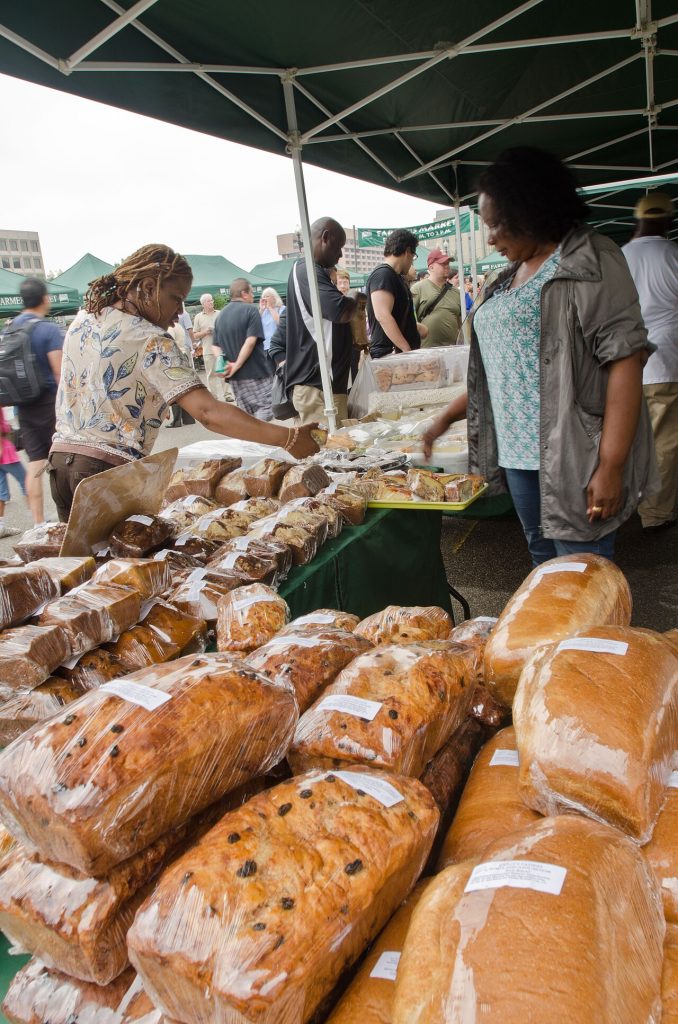
- Source seasonally: Visit local farmers’ markets or join a community‑supported agriculture (CSA) program to find ingredients that are at their peak flavor.
- Learn the fundamentals: Master basic knife skills, stock preparation, and spice blends before tackling complex dishes.
- Use a Dutch oven or clay pot: These vessels distribute heat evenly and retain moisture, ideal for braising and slow cooking.
- Keep a recipe journal: Record variations, ingredient swaps, and tasting notes to refine techniques over time.
- Respect the timing: Traditional recipes often have precise simmer times; a minute too short or too long can alter the entire flavor profile.
By following these guidelines, you can honor the spirit of traditional cuisine while adapting to modern kitchen realities.
Conclusion
Traditional food is a tapestry woven from the threads of history, geography, and community. The secrets we’ve explored—authentic ingredients, time‑tested techniques, and mindful cooking practices—are the building blocks that give these dishes their enduring charm. With the right ingredients, patience, and respect for the process, you can bring a slice of cultural heritage to your own table. Embrace the journey, experiment with the hidden gems, and let every meal tell a story that goes beyond the plate.