
Thai food is celebrated worldwide for its vibrant flavors, aromatic herbs, and balanced textures. Whether you’re a novice cook or a curious foodie, this guide will equip you with the knowledge and confidence to explore Thailand’s culinary treasures.
Why Thai Food Is a Culinary Adventure
Thai cuisine is a harmonious blend of sweet, sour, salty, bitter, and umami. Its dishes are built around fresh ingredients and bold spices, making every bite an exploration of taste. The country’s regional diversity means you can find street‑style pad thai in Bangkok, spicy seafood curries in the north, and coconut‑rich desserts in the south.
Key Flavors and Ingredients
At the heart of Thai cooking are five essential flavor bases:
- Fresh herbs – lemongrass, kaffir lime leaves, Thai basil, and coriander.
- Spices – galangal, dried chilies, and star anise.
- Condiments – fish sauce, oyster sauce, and tamarind paste.
- Acids – lime juice, vinegar, and fermented shrimp paste.
- Sweeteners – palm sugar, coconut sugar, and honey.
These elements combine to create dishes that are both complex and approachable. When shopping, look for fresh chilies, lemongrass stalks, and a good quality fish sauce – they’re the backbone of most recipes.
Classic Dishes Every Beginner Should Try
Start your Thai culinary journey with these iconic dishes:
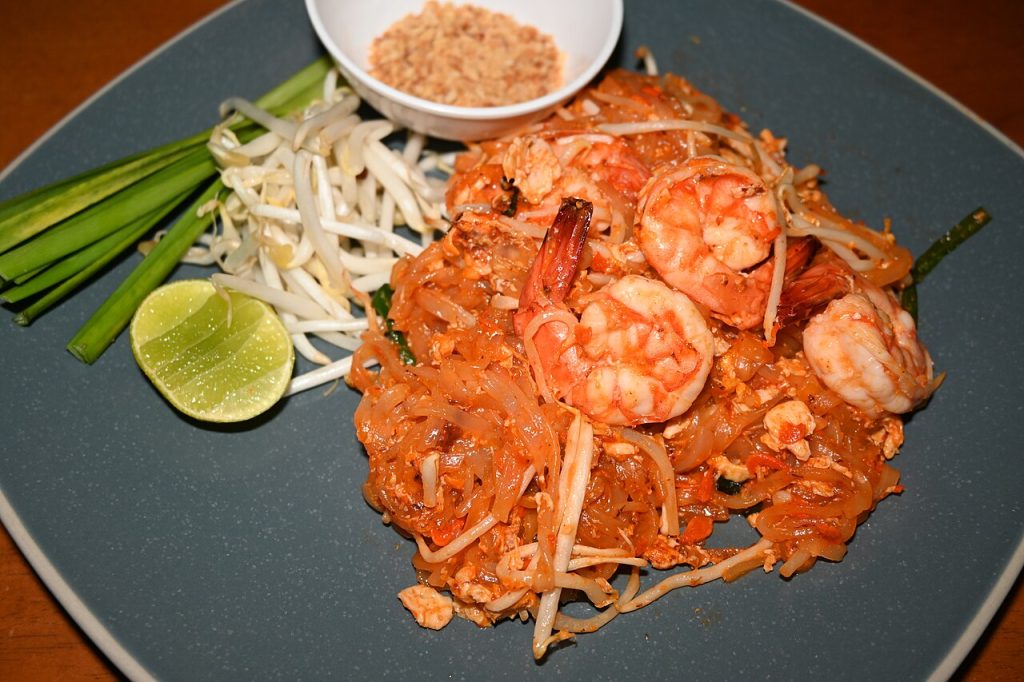
- Pad Thai – stir‑fried rice noodles with tamarind, peanuts, and lime.
- Tom Yum Goong – a spicy and sour shrimp soup.
- Green Curry (Gaeng Keow Wan) – coconut milk, green chilies, and your choice of protein.
- Som Tum – a fiery papaya salad.
- Massaman Curry – a mild, fragrant curry with potatoes and peanuts.
Each recipe showcases a different flavor profile and offers a gentle introduction to Thai cooking techniques.
Getting Started: Essential Kitchen Tools and Pantry Staples
Essential Thai Spices and Herbs
Stock a small spice grinder for freshly ground chilies and coriander seeds. Keep dried chilies, galangal, and lemongrass in a sealed container to preserve their aroma.
Must-Have Kitchen Tools
- Wok or non‑stick skillet – perfect for stir‑frying.
- Mortar and pestle – ideal for pounding chilies and herbs.
- Rice cooker – ensures fluffy jasmine rice every time.
- Chef’s knife and cutting board – essential for preparing fresh ingredients.
- Small saucepan – great for simmering curries and soups.
Practical Tips for Authentic Thai Cooking
- Use fresh ingredients – Thai food relies on the bright flavors of fresh herbs and vegetables.
- Balance the flavors – taste as you cook and adjust sweet, sour, salty, and spicy elements.
- Master the stir‑fry – keep the wok hot, add ingredients in stages, and finish with a splash of fish sauce.
- Make your own stock – simmer chicken bones with ginger and lemongrass for a rich base.
- Prep ahead – chop all veggies and measure spices before you start cooking.
Beyond the Table: Thai Food Culture and Etiquette
Eating with Family and Friends
Thai meals are often communal. Dishes are served family‑style and shared. It’s common to use a fork to push food onto a spoon and then eat with the spoon.
Respecting Table Manners
Never place your chopsticks vertically in a bowl of rice – it resembles a funeral ritual. Also, wait for the eldest person to start before you begin eating. These small gestures show respect and enhance the dining experience.
Conclusion
Thai cuisine offers a delightful blend of flavors, textures, and aromas that can be recreated in any kitchen. By mastering the core ingredients, learning a few classic recipes, and observing local dining etiquette, beginners can confidently explore the rich culinary landscape of Thailand. Start small, experiment with flavors, and enjoy every bite of this vibrant cuisine.