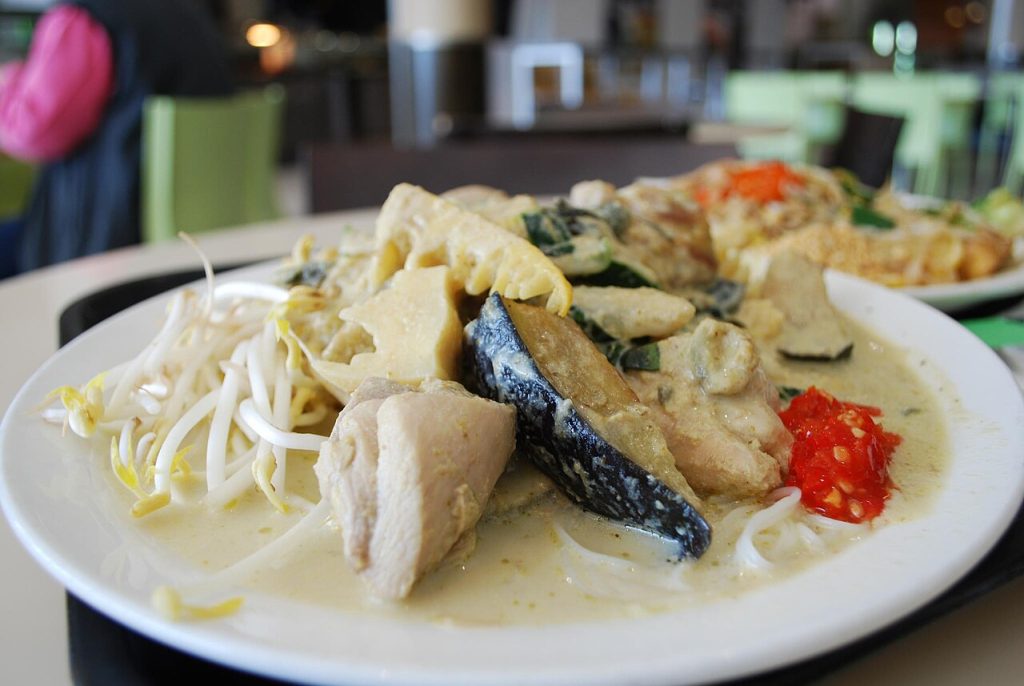
Thai cuisine is celebrated for its bold flavors, fresh ingredients, and the skillful balance of sweet, sour, salty, bitter, and umami. Whether you’re a seasoned cook or just starting out, incorporating Thai elements into everyday meals can add excitement and depth to your plate.
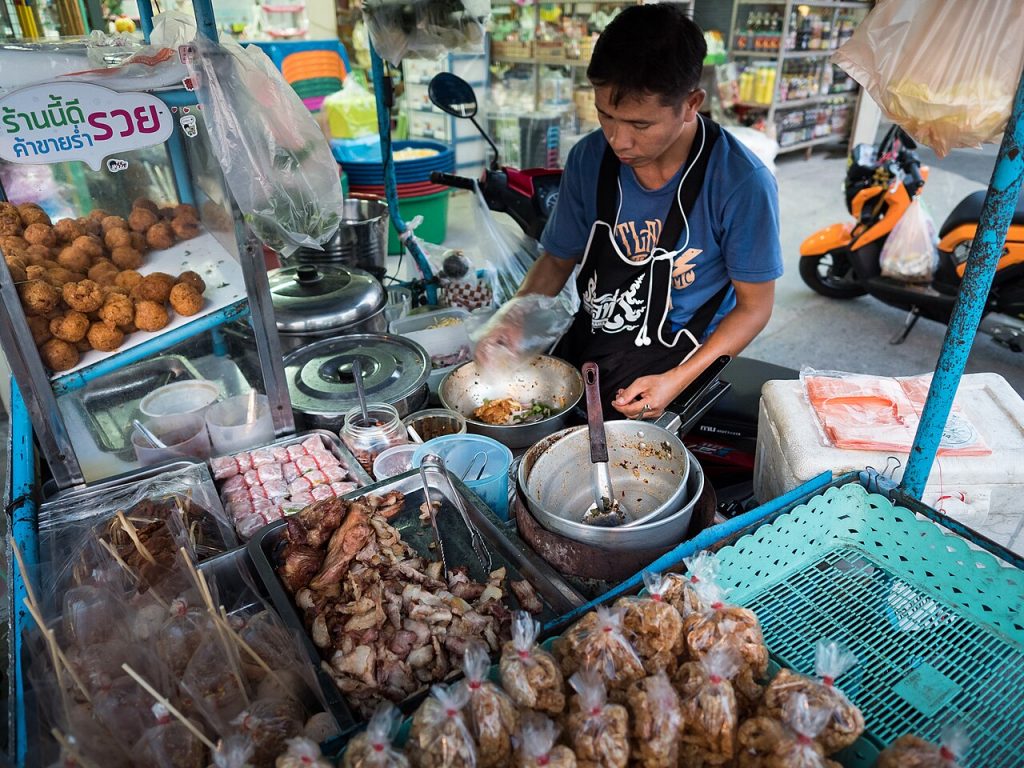
The Core Ingredients of Thai Cuisine
Essential Spices and Herbs
- Galangal – A rhizome with a sharp, citrusy note that’s often used in curries and soups.
- Shallots – Smaller and milder than onions, they provide a subtle sweetness.
- Thai Basil – Leaves that release a sweet, peppery aroma when fried.
- Fresh Lemongrass – Adds a bright, almost citrus flavor; best when bruised to release its oils.
- Coconut Milk – Brings creaminess and a gentle sweetness to curries and desserts.
Balancing Flavors: Sweet, Sour, Salty, Bitter, Umami
In Thai cooking, each dish is a carefully orchestrated dance of flavors. A typical recipe will incorporate a sweet element (such as palm sugar), a sour one (lime juice or tamarind), a salty component (fish sauce or soy sauce), a bitter note (some fresh greens), and the rich umami of fermented fish or anchovy paste. Mastering this balance is key to creating authentic Thai taste profiles.
Common Thai Dishes That Fit Every Meal
Breakfast: Thai Coconut Milk Pancakes
These light, fluffy pancakes are made with coconut milk, a touch of sugar, and a pinch of turmeric for color. Serve with fresh mango slices and a drizzle of sweetened condensed milk for a tropical start to your day.
Lunch: Pad Thai with a Twist
Traditional Pad Thai uses rice noodles, eggs, bean sprouts, and a tangy sauce. For a modern take, swap regular noodles for zucchini ribbons and add a handful of roasted cashews for crunch. Finish with lime wedges and a sprinkle of crushed peanuts.
Dinner: Green Curry with Fresh Vegetables
Simmer a green curry paste (or a ready-made paste for convenience) in coconut milk, then add sliced bell peppers, broccoli, and snow peas. Finish with a handful of fresh basil and a squeeze of lime to brighten the dish. Serve over jasmine rice for an authentic experience.
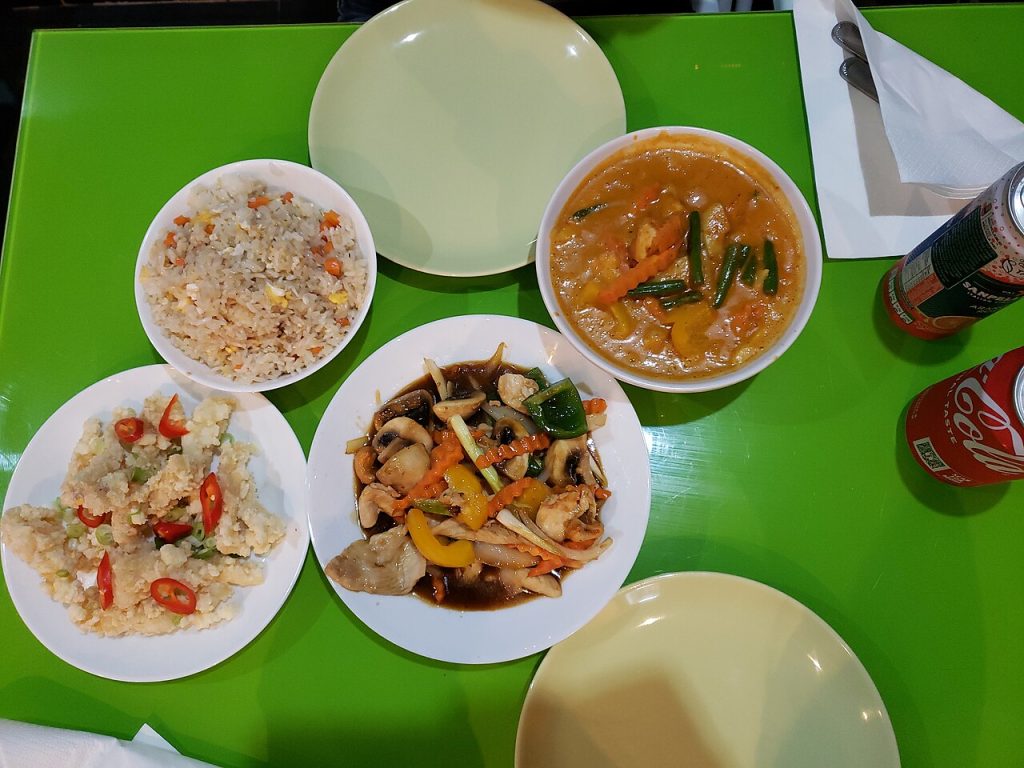
Practical Tips for Bringing Thai Flavors Home
Stocking Your Pantry
- Keep a jar of fish sauce, a small container of tamarind paste, and a pouch of dried chili flakes.
- Store fresh lemongrass in a damp paper towel and refrigerate; it stays good for up to two weeks.
- Buy coconut milk in 400‑ml cartons; they’re convenient for single‑serving recipes.
Substituting Hard‑to‑Find Ingredients
When galangal is unavailable, try fresh ginger as a 1:1 replacement, though the flavor will be slightly different. Replace fish sauce with low‑salt soy sauce mixed with a splash of lime juice to mimic the salty‑sour balance.
Time‑Saving Prep Hacks
Pre‑make a batch of curry paste by blending lemongrass, galangal, garlic, shallots, and chilies together. Store it in an airtight container in the fridge for up to a week or freeze in ice‑cube trays for single‑use portions.
Beyond the Plate: Cultural Insights and Etiquette
- In Thailand, meals are often shared family‑style; serving dishes on a central platter encourages communal eating.
- Respect the “sabai” etiquette by using both hands when passing food to someone of higher status.
- When eating at a Thai restaurant, try the “khao pad” (fried rice) as a palate cleanser before diving into more complex curries.
Take the Flavor to the Next Level
Integrating Thai flavors into everyday cooking doesn’t require a full kitchen makeover. With a few key ingredients and a simple understanding of flavor balance, you can transform ordinary meals into vibrant, aromatic experiences. Try experimenting with different herbs, adjusting the sweet‑sour ratio, or exploring regional Thai specialties like the spicy “phat krapow” or the fragrant “khao soi.” Each dish offers a new opportunity to taste the essence of Thailand right at home.