
Modern life can leave little time for the slow, thoughtful cooking that defines traditional dishes. Yet the joy of a home‑made meal that carries the scent of distant kitchens can be a comforting escape. In this guide we’ll explore why traditional food matters, share three quick yet authentic recipes, and give you practical tips to keep the flavors true while staying efficient.
Why Traditional Food Matters
Traditional dishes are more than recipes; they’re stories in a bowl. They connect us to our heritage, introduce us to new cultures, and teach culinary techniques that have stood the test of time. When you cook traditional food at home, you gain:
- Flavor depth: Ingredients are chosen for their regional character.
- Community: Meals become shared rituals that bring family and friends together.
- Skill building: Techniques like simmering, braising, or dough shaping become second nature.
Embracing these dishes can enrich your palate and your life.
Three Quick & Easy Traditional Recipes
Classic Italian Lasagna
Lasagna is a staple of Italian comfort food, yet many think it requires hours. With a few shortcuts, you can have a bubbling, cheesy masterpiece on the table in under an hour.
- Ingredients: 12 lasagna noodles, 1 lb ground beef, 1 onion, 2 cloves garlic, 1 jar marinara sauce, 1 cup ricotta, 2 cups shredded mozzarella, 1/2 cup grated Parmesan, salt, pepper, Italian seasoning.
- Tip: Use pre‑cooked or no‑boil noodles to cut prep time.
Method: Sauté beef, onion, and garlic until browned. Stir in marinara and seasoning; simmer 10 minutes. Layer noodles, meat sauce, dollops of ricotta, and mozzarella in a baking dish. Repeat layers, finishing with cheese. Bake at 375°F for 25 minutes, or until golden.
Authentic Mexican Mole
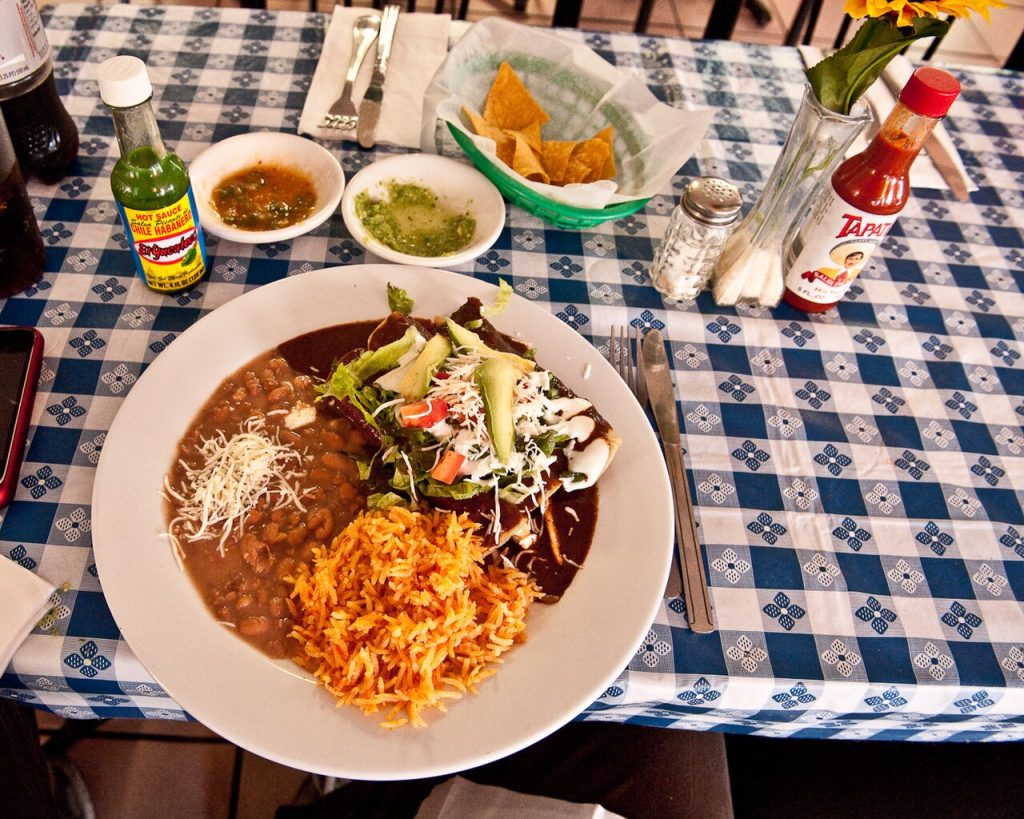
Mole is a complex sauce that marries sweet, spicy, and savory flavors. While traditional mole can be a labor of love, a simplified version delivers the same warmth in less than two hours.
- Ingredients: 1 tbsp vegetable oil, 1 onion, 2 cloves garlic, 1 chipotle pepper (optional), 2 tbsp cocoa powder, 1 tsp cinnamon, 1 tsp cumin, 2 tbsp tomato paste, 2 cups chicken broth, 1 tbsp toasted sesame seeds, 1 tbsp pumpkin seeds, 1 tbsp raisins, 1 tbsp chopped almonds, salt.
- Tip: Toast the seeds and nuts in a dry pan until fragrant to unlock deeper flavor.
Method: Heat oil, sauté onion and garlic until translucent. Add chipotle, cocoa, cinnamon, and cumin; cook 1 minute. Stir in tomato paste, then broth, seeds, nuts, raisins, and a pinch of salt. Simmer 20 minutes, blending occasionally. Adjust thickness with more broth if needed. Serve over shredded chicken or roasted vegetables.
Japanese Ramen Bowl
Ramen is often seen as a quick takeout dish, but a comforting bowl can be assembled in 30 minutes with pantry staples.
- Ingredients: 2 packs instant ramen (discard seasoning), 4 cups chicken or vegetable broth, 1 tbsp miso paste, 1 tsp sesame oil, 1 tbsp soy sauce, 1 cup sliced shiitake mushrooms, 1 cup baby spinach, 2 boiled eggs, 2 scallions, 1 tsp toasted sesame seeds, nori sheets.
- Tip: Use the instant ramen flavor packets sparingly; they can overpower the broth.
Method: Heat broth, add miso, soy, and sesame oil. Stir in mushrooms and let simmer 5 minutes. Add noodles; cook 2–3 minutes. Remove from heat, stir in spinach. Plate, top with sliced boiled eggs, scallions, sesame seeds, and a nori strip. Enjoy.

Practical Tips for Perfect Traditional Flavors
- Use fresh herbs: A pinch of fresh basil, cilantro, or mint can elevate a dish far more than dried alternatives.
- Season gradually: Taste as you go; adding too much salt or spice at once can mask subtle flavors.
- Rest your meat: Let cooked proteins sit for a few minutes before slicing; this keeps juices inside.
- Invest in good pans: A heavy‑bottomed skillet or a Dutch oven ensures even heat distribution, especially for sauces.
- Batch cook: Prepare sauces or stocks in larger quantities and freeze portions for later use.
Conclusion
Traditional food isn’t a distant memory; it’s a living, breathing part of our everyday kitchens. By simplifying classic recipes, staying mindful of flavor layers, and applying a few time‑saving hacks, you can create dishes that honor culture and satisfy the soul. Grab your apron, gather your ingredients, and start turning the world into a neighborhood table—one delicious bite at a time.