
Introduction
Thai food is celebrated worldwide for its aromatic blend of sweet, sour, salty, and spicy notes. Whether you’re a seasoned foodie or a curious beginner, understanding what makes Thai cuisine unique can transform your dining experience. This article delves into the health benefits of Thai ingredients, showcases classic dishes, offers practical home‑cooking ideas, and shares tips to help you enjoy Thai food in everyday life.

Health Benefits of Thai Ingredients
Thai cooking relies heavily on fresh herbs, spices, and vegetables that deliver powerful health benefits without compromising flavor.
- Turmeric and Galangal: Both contain curcumin, a potent anti‑inflammatory compound that supports joint health and may aid digestion.
- Fresh Chili: Capsaicin boosts metabolism, improves circulation, and provides a natural pain relief effect.
- Lemongrass: Known for its antimicrobial properties, lemongrass can help fight infections and improve heart health.
- Fish Sauce: While high in sodium, it’s also a source of B‑vitamins and essential minerals, especially when used sparingly.
- Vegetables: Thai dishes often feature bok choy, broccoli, and eggplant—rich in fiber, vitamins, and antioxidants.
Balancing Flavors for a Healthy Plate
To keep a Thai meal wholesome, focus on a ratio of 50% vegetables, 30% lean protein (chicken, tofu, shrimp), and 20% complex carbs (brown rice, quinoa). Adding a squeeze of lime or a dash of fish sauce can elevate taste while keeping calorie counts in check.
Classic Thai Dishes Worth Trying
These iconic dishes represent the core of Thai cuisine and showcase its flavor harmony.
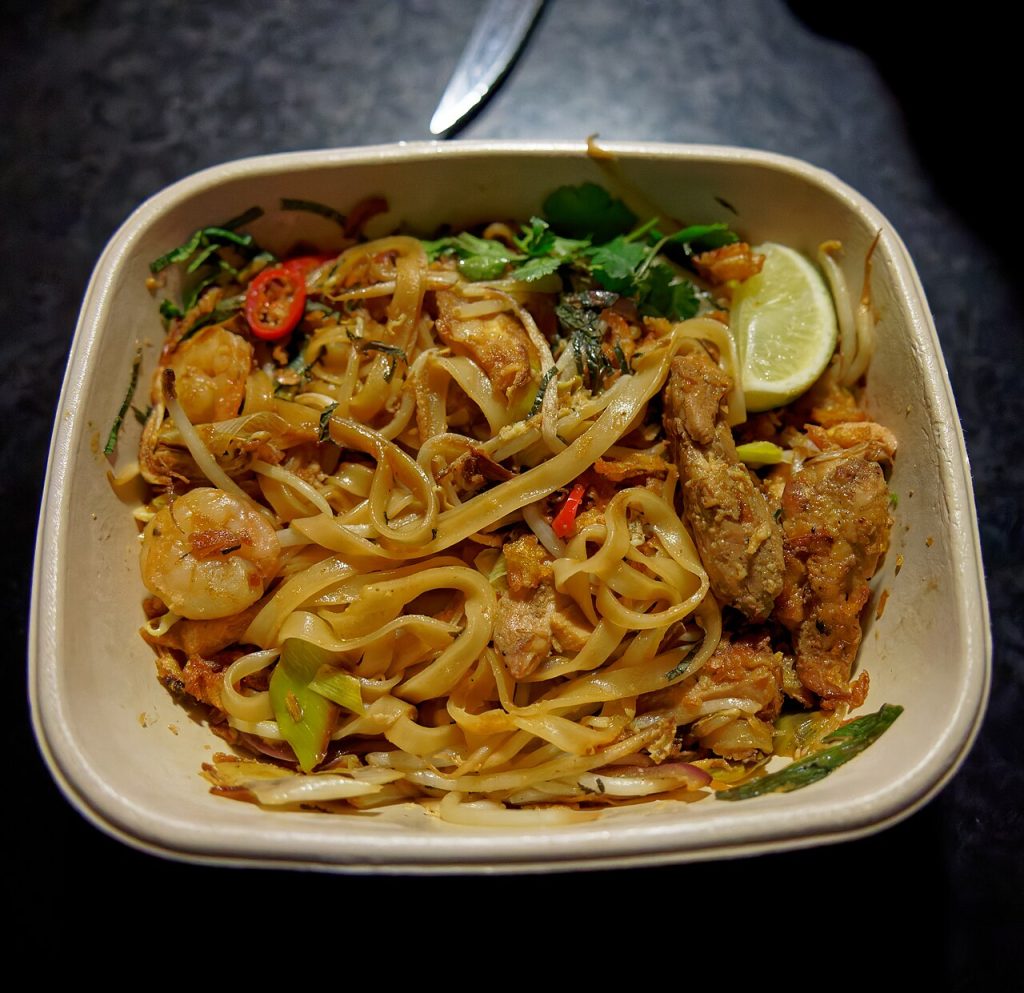
- Pad Thai: Stir‑fried rice noodles with tamarind, peanuts, lime, and your choice of protein.
- Tom Yum Goong: A hot and sour soup featuring shrimp, lemongrass, kaffir lime leaves, and fresh chilies.
- Green Curry (Gaeng Keow Wan): A creamy coconut milk curry with green chilies, basil, and sliced meat.
- Som Tum: A fiery green papaya salad that balances spicy, sweet, and tangy flavors.
- Khao Pad: Thai fried rice, often served with a lime wedge and cucumber slices.
Creative Ideas for Home Cooking
Bringing Thai flavors into your kitchen can be both fun and straightforward. Below are three creative ways to enjoy Thai cuisine at home.
1. Build‑Your‑Own Thai Bowl
Layer cooked jasmine rice with sautéed vegetables, a protein source, and a drizzle of peanut sauce. Top with fresh cilantro, crushed peanuts, and a squeeze of lime for a customizable, balanced meal.
2. Thai-Style Stir‑Fry with Minimal Prep
Use pre‑cut vegetable kits and a store‑bought Thai basil sauce. Sauté onions, garlic, and your protein choice, then stir in the sauce and a splash of coconut milk for a quick, restaurant‑style dish.
3. Coconut‑Based Soups for Cozy Nights
Combine coconut milk, lemongrass, galangal, and sliced mushrooms to create a comforting broth. Add tofu, carrots, and spinach, then finish with lime juice and fresh basil.
Practical Tips for Authentic Flavor
- Use Fresh Herbs: Fresh basil, cilantro, and mint brighten dishes more than dried alternatives.
- Balance Your Palate: Add a touch of sugar (brown or palm) to counteract acidity in soups and curries.
- Control Heat: Start with a small amount of chili, taste, and adjust—Thai dishes are all about balance.
- Serve Immediately: Many Thai sauces (like chili paste) lose intensity if left to sit; keep them near the stove or in the fridge until needed.
- Pair with Rice or Noodles: Jasmine rice or rice noodles are traditional bases that absorb sauces beautifully.
Conclusion
Thai cuisine offers a delightful blend of flavor, nutrition, and culinary creativity. By understanding the health benefits of its key ingredients, experimenting with classic dishes, and applying simple home‑cooking hacks, you can bring the vibrant spirit of Thailand to your table. Whether you’re aiming for a quick weekday meal or planning a themed dinner party, Thai food’s versatility and wholesome profile make it a perfect choice for any palate.