
Japanese cuisine is celebrated for its precision, delicate flavors, and beautiful presentation. Yet many home cooks stumble on simple mistakes that can ruin an otherwise delicious meal. By paying attention to these details, you’ll bring the true spirit of Japan right into your kitchen.
1. Not Using the Right Rice
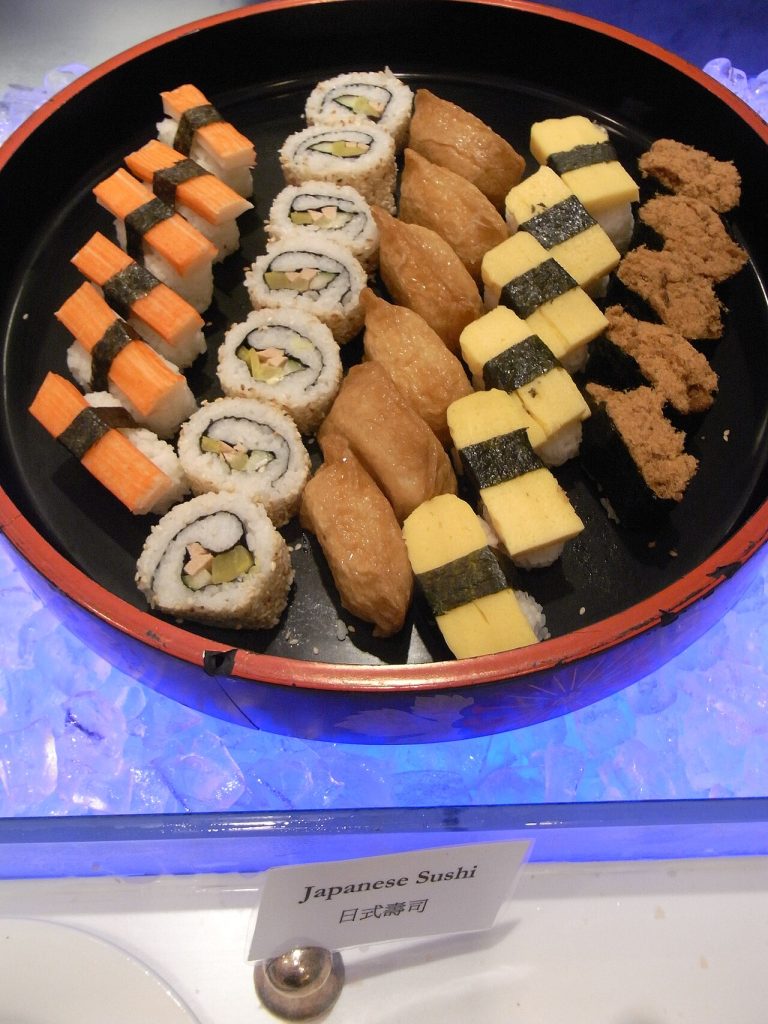
Rice is the backbone of Japanese meals, and its texture is everything. The most common error is using the wrong type of rice or cooking it for the wrong amount of time.
- Choose the right grain: Use short‑to‑medium grain Japanese rice (often labeled as “sushi rice” or “short‑grain rice”). These varieties are stickier and hold together better.
- Wash before cooking: Rinse until the water runs clear to remove excess starch that can make the rice gummy.
- Proper cooking ratio: A typical ratio is 1 cup of rice to 1.2 cups of water. Too much water turns the rice mushy; too little makes it hard.
- Let it steam: After the rice boils, cover and let it steam for 10‑15 minutes with the heat off. This step allows the grains to finish cooking evenly.
Follow these steps and you’ll get that perfect, slightly sticky, fluffy texture that pairs beautifully with sashimi, donburi, or any Japanese dish.
2. Overcooking or Undercooking Ingredients
Japanese cooking relies on quick, high‑heat techniques that preserve color, texture, and nutrients. Overcooking can ruin the subtle flavors, while undercooking can leave your dish unsafe or unappetizing.
- Vegetables: Stir‑fry or blanch vegetables for 1‑2 minutes until they’re bright green and just tender. For example, bok choy or spinach should be cooked until the leaves wilt but still retain a crisp bite.
- Seafood: Sashimi or thinly sliced fish should be kept raw but properly handled. If you’re grilling fish fillets, cook for 2‑3 minutes per side at medium‑high heat.
- Meat: Thin cuts of pork or beef used in yakitori or teriyaki should sear quickly, about 30‑45 seconds per side, to keep them juicy.
Use a timer or a reliable kitchen thermometer to avoid common mistakes. For instance, don’t let a salmon fillet sit in a pan for more than 4 minutes on each side.
3. Skipping the Umami Boost
Umami—the savory “fifth taste”—is essential to Japanese dishes. Many cooks forget to incorporate it, leading to flat flavors.
- Use dashi: Even a simple kombu‑water dashi adds depth to soups, sauces, and simmered dishes.
- Miso paste: Add a tablespoon of white or yellow miso to soups or marinades for a subtle, salty sweetness.
- Shiitake mushrooms: Dried shiitake or fresh sliced mushrooms can be simmered in sauces to enhance umami.
- Soy sauce and mirin: Combine in a 2:1 ratio for a balanced sweet‑salty profile in teriyaki or teriyaki‑style sauces.
Incorporate these umami sources at the right stages—usually early in the cooking process—to allow flavors to meld.
4. Improper Seasoning Balance
Japanese dishes often taste subtle, but a misbalance can tip the scale. Over‑salted or overly sweet dishes can overwhelm the main ingredient.
- Start with small amounts: Add seasoning in increments. Taste as you go.
- Use fresh aromatics: Grated ginger, minced garlic, and sliced scallions should be added towards the end of cooking to preserve their bright flavors.
- Acidity: A splash of rice vinegar or citrus juice (yuzu or lemon) brightens the dish and cuts through richness.
Remember that sauces like soy sauce are already salty; adjust other seasonings accordingly.
5. Ignoring Presentation
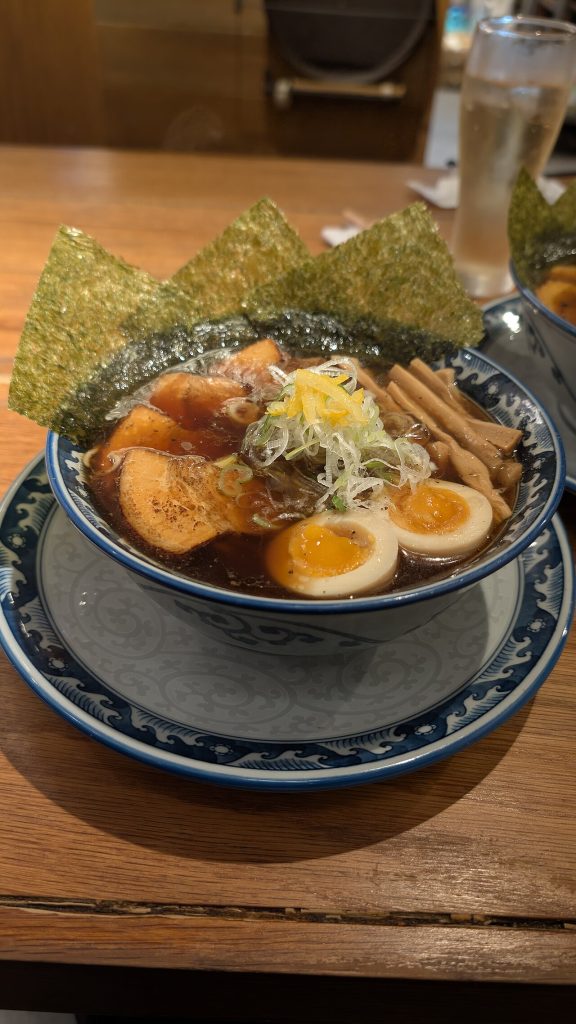
Japanese cuisine is as visual as it is flavorful. A dish that looks good on a plate invites taste.
- Use contrasting colors: Pair white rice with green vegetables, or a light sashimi plate with a dark soy glaze.
- Arrange neatly: Layer ingredients in a deliberate pattern rather than piling them haphazardly.
- Add garnish: Sprinkle toasted sesame seeds, chopped nori flakes, or finely sliced scallions to add texture and aroma.
- Serve at the right temperature: Warm dishes like donburi should be served hot, while sashimi and sushi are best at room temperature.
Good plating elevates the dining experience and showcases the care you’ve put into the dish.
Practical Tips to Keep You on Track
Here are a few quick hacks that help you avoid these common errors:
- Prep ahead: Measure rice and seasonings before you start cooking.
- Keep a timer: Use a kitchen timer or phone alarm for precise cooking times.
- Invest in a quality knife: A sharp knife ensures even cuts and reduces cooking time.
- Practice the “one‑pan” method: Cook rice, protein, and vegetables in the same pan for convenience and flavor integration.
Conclusion
Mastering Japanese food isn’t about following a strict rulebook; it’s about respecting ingredients and paying attention to detail. By using the correct rice, cooking ingredients just right, adding umami, balancing seasoning, and presenting thoughtfully, you’ll transform ordinary meals into authentic Japanese experiences. Practice these guidelines, trust your senses, and enjoy the journey of making food that feels both humble and extraordinary.