
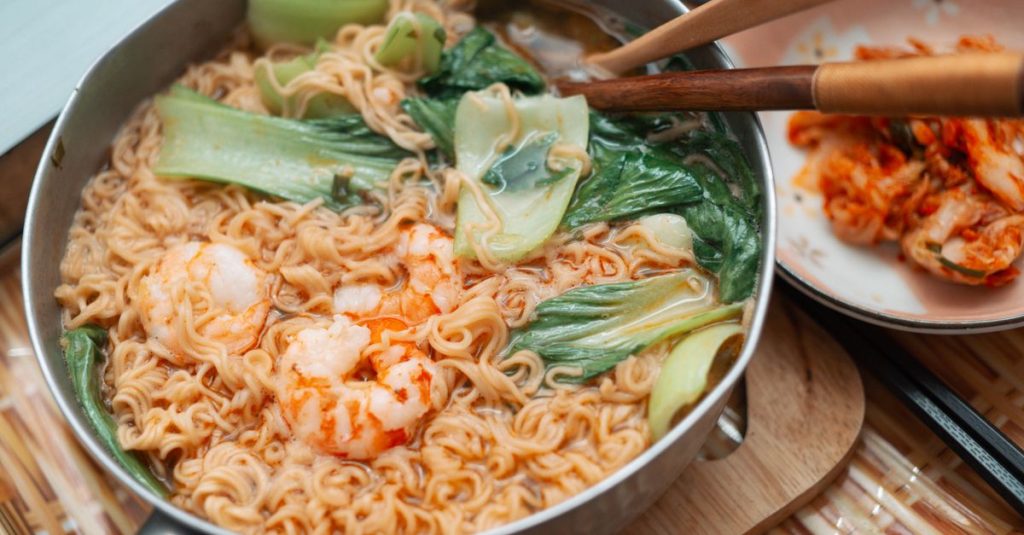
An Introduction to Korean Cuisine: Bold Flavors, Balance, and Tradition
Korean food is a vibrant celebration of contrasting textures, vivid colors, and deeply satisfying flavors. At its core, the cuisine is built on a foundation of balance—balancing heat with sweetness, salt with acidity, and earthy grains with bright, fermented vegetables. Whether you are dipping a crispy scallion pancake into a savory soy-vinegar sauce or gathering around a bubbling pot of stew, eating Korean food is an interactive, deeply sensory experience.
In this guide, we will explore the cultural roots of Korean cooking and provide a practical, foolproof recipe for Sundubu-jjigae (Soft Tofu Stew), one of the most popular, comforting, and customizable dishes in the Korean culinary repertoire.
What is Sundubu-jjigae?
Sundubu-jjigae is a fiery, deeply savory stew made with extra-soft uncurdled tofu, vegetables, mushrooms, and typically a protein like pork, seafood, or beef. It is traditionally cooked and served boiling hot in a traditional earthenware pot called a 뚝배기 (ttukbaegi). As the stew arrives at the table, a raw egg is often cracked directly into the bubbling broth, poaching gently in the residual heat and lending a velvety richness to the spicy soup.
Country and Cultural Background
Korean cuisine reflects the country’s distinct four seasons and its reliance on both agriculture and coastal fishing. Historically, fermentation played a vital role in preserving food for the harsh winters, giving rise to staples like kimchi, soybean paste (doenjang), and chili paste (gochujang).
Meals in Korea are traditionally centered around bap (cooked rice), accompanied by guk or jjigae (soup or stew), and an array of banchan (small shared side dishes). Sundubu-jjigae is a staple of Korean comfort food, frequently ordered at neighborhood restaurants or whipped up at home on chilly evenings for instant warmth and nourishment.
Recipe: Classic Pork and Kimchi Sundubu-jjigae
This comforting soft tofu stew comes together in under 30 minutes, making it an ideal weeknight dinner that delivers complex, restaurant-quality flavor.
Ingredients
- 1 package (10–12 oz) soft or silken tofu (sundubu)
- 1/4 lb pork belly or fatty pork shoulder, thinly sliced (substitute beef or mushrooms for vegetarian)
- 1/2 cup aged kimchi, chopped, plus 2 tbsp kimchi juice
- 2 cloves garlic, minced
- 1 green onion, finely chopped (separate white and green parts)
- 1.5 tbsp Korean red pepper flakes (gochugaru)
- 1 tbsp neutral cooking oil (like canola or grapeseed)
- 1 tbsp soy sauce
- 1 cup anchovy stock, dashi, or chicken broth
- 1 large egg
- Salt, to taste
Step-by-Step Instructions
- Prep the aromatics: Heat the neutral oil in a small pot or earthenware pot (ttukbaegi) over medium heat. Add the minced garlic and the white parts of the green onion. Sauté for about 30 seconds until fragrant.
- Brown the meat and kimchi: Add the sliced pork and chopped kimchi to the pot. Cook for 2–3 minutes until the pork is lightly browned and the kimchi softens.
- Build the flavor base: Stir in the gochugaru (Korean red pepper flakes) and soy sauce. Sauté everything together for 1 minute, being careful not to let the pepper flakes burn.
- Add the liquid: Pour in the broth and kimchi juice. Bring the mixture to a boil, then reduce the heat to medium-low and let it simmer for 5–7 minutes so the flavors meld together.
- Add the tofu: Gently slide the soft tofu into the pot. Break it up roughly into large chunks with a spoon, but do not mash it completely. Simmer for another 3–4 minutes until heated through. Taste the broth and add a pinch of salt if needed.
- Finish and serve: Turn off the heat (or keep it bubbling on the stove if using a stone pot). Crack the raw egg directly into the center of the bubbling stew and garnish with the remaining green onion slices. Serve immediately while piping hot.
Cooking Tips and Tricks
- Use Gochugaru, Not Chili Powder: Authentic Korean red pepper flakes (gochugaru) provide a smoky, sweet heat and a vibrant red color. Do not substitute standard Western chili powder or cayenne pepper, as it will drastically change the flavor profile.
- Embrace Aged Kimchi: Older, heavily fermented, and sour kimchi yields the best depth of flavor for stews. Fresh kimchi will taste too bright and won’t give the broth its signature tangy punch.
- Gentle with the Tofu: Soft tofu is extremely delicate. Slide it gently into the pot using a large spoon to prevent it from dissolving into mush.
Substitutions
- Vegetarian/Vegan: Omit the meat and fish-based stock. Use a rich kelp-and-shiitake mushroom broth, and substitute the pork with pan-fried shiitake mushrooms or diced zucchini.
- Seafood Variation: Replace the pork with a handful of peeled shrimp, clams, and mussels for a classic “haemul” (seafood) sundubu-jjigae. Add the seafood at the same time you add the tofu so they don’t overcook.
Common Mistakes to Avoid
- Burning the Gochugaru: Korean chili flakes burn easily. When frying them with oil and garlic, keep the heat at medium-low and stir constantly for no more than a minute.
- Skipping the Kimchi Juice: The liquid from the kimchi jar is liquid gold; it adds essential acidity and umami that salt alone cannot replicate.
Serving Suggestions
Sundubu-jjigae is traditionally served piping hot alongside a bowl of steaming white rice. The rice helps temper the spicy, salty broth. To round out the meal, serve it with a few classic Korean side dishes (banchan) such as seasoned spinach (sigeumchi-namul), bean sprout salad (kongnamul-muchim), and fresh cucumber kimchi (oi-sobagi).
Variations
- Cheese Sundubu: A modern, popular fusion variation in Korea involves melting a slice of American cheese over the top of the stew right before serving. The dairy cuts the spice and adds a rich, creamy texture.
- Dumpling Sundubu: Add 3 to 4 frozen Korean dumplings (mandu) along with the tofu for an even heartier, filling meal.
Frequently Asked Questions (FAQ)
Can I use firm tofu instead of soft tofu?
Firm tofu can be used in a pinch, but it will change the traditional character of the dish. Soft or silken tofu is essential because it absorbs the spicy broth and melts in your mouth, which is the defining feature of sundubu-jjigae.
Is Sundubu-jjigae very spicy?
It has a moderate kick, but you can easily adjust the spice level by reducing the amount of gochugaru (red pepper flakes) or omitting it altogether for a non-spicy, white-broth version known as *baek-sundubu*.
What kind of pot should I use?
A standard small saucepan or Dutch oven works perfectly fine in a home kitchen. However, if you want the authentic restaurant experience, you can purchase a Korean earthenware pot (ttukbaegi), which retains heat exceptionally well and keeps the stew bubbling at the table.
How do I eat the egg in the stew?
When the egg is served raw on top of the boiling stew, you can either let it poach whole and eat it near the end of your meal, or break the yolk immediately and stir it into the broth to make the soup richer and creamier.
Conclusion
Korean cuisine offers an incredible gateway to bold, comforting, and deeply satisfying home cooking. Dishes like Sundubu-jjigae prove that you don’t need a laundry list of complicated techniques to create a meal packed with complex layers of flavor. Armed with a few pantry staples like gochugaru and aged kimchi, you are ready to bring the warmth of a traditional Korean kitchen straight to your dining table.