
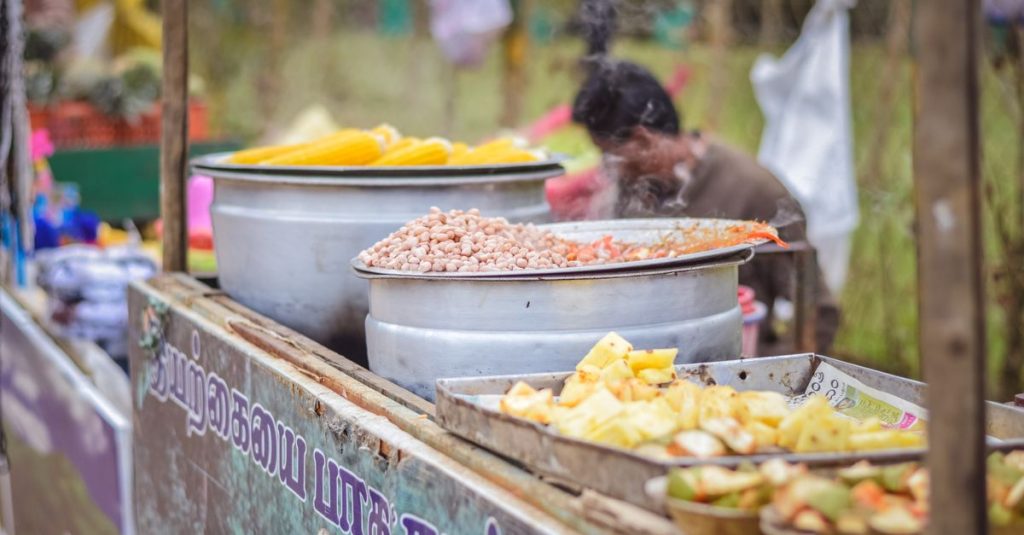
A Journey Through Indian Food: The Art of Spice, Balance, and Tradition
Indian cuisine is not a monolith; rather, it is a vibrant tapestry of regional flavors, historical influences, and culinary philosophies that span an entire sub-continent. From the fiery, coconut-laced seafood curries of the southern coast to the rich, dairy-heavy, tandoor-roasted meats of the north, Indian food is defined by its masterful manipulation of spices. More than just adding heat, spices are toasted, bloomed, and layered to create complex flavor profiles that engage all the senses.
At the heart of traditional Indian cooking is the concept of balance—bringing together sweet, sour, salty, bitter, pungent, and astringent notes within a single meal. Whether you are tasting street food in the bustling alleys of Mumbai or sitting down to a formal thali in Gujarat, Indian cuisine offers an endless array of textures and tastes.
What is Chicken Tikka Masala?
While India boasts thousands of distinct dishes, Chicken Tikka Masala has earned a beloved spot as one of the most popular representations of Indian cuisine worldwide. It consists of bite-sized chunks of chicken (tikka) that are first marinated in yogurt and spices, roasted (traditionally in a clay tandoor oven), and then simmered in a creamy, spiced tomato-based sauce (masala).
Though its exact origins are a subject of culinary debate—with strong ties to both British-Indian curry houses and traditional Punjabi butter chicken—its appeal is universal. The dish bridges the gap between aromatic, spice-forward Indian cooking and the comforting richness of a velvety tomato sauce.
Cultural Background and Tradition
In India, food is deeply intertwined with culture, religion, and geography. Meals are traditionally designed to be communal, often served on a large metal platter called a thali, which features a variety of small bowls containing different curries, rice, lentils, flatbreads, and chutneys. This ensures a balanced intake of nutrients and a diverse range of flavors in every sitting.
The use of spices in Indian cooking also has deep roots in Ayurveda, an ancient system of natural healing. Spices like turmeric, cumin, coriander, and ginger are valued not only for their distinct tastes but historically for their digestive and warming properties. In a home kitchen, the preparation of a curry often begins with the *tadka*—blooming whole spices in hot oil or ghee—to release their essential oils and build the foundation of the dish.
Classic Chicken Tikka Masala Recipe
This home-friendly recipe recreates the smoky, rich flavors of restaurant-style Chicken Tikka Masala using standard kitchen equipment like an oven broiler and a heavy-bottomed skillet.
Prep time:
30 minutes (plus 1 hour marinating)
Cook time:
30 minutes
Servings:
4
Ingredients
For the Chicken Marinade:
- 1.5 lbs (700g) boneless, skinless chicken thighs, cut into bite-sized pieces
- 1/2 cup plain whole-milk yogurt
- 1 tbsp fresh ginger, minced
- 3 cloves garlic, minced
- 1 tbsp lemon juice
- 1 tsp ground cumin
- 1 tsp ground coriander
- 1 tsp turmeric powder
- 1 tsp Kashmiri chili powder (or 1/2 tsp regular cayenne pepper for less color/more heat)
- 1 tsp salt
For the Masala Sauce:
- 2 tbsp ghee (clarified butter) or neutral cooking oil
- 1 medium yellow onion, finely chopped
- 1 tbsp fresh ginger, minced
- 3 cloves garlic, minced
- 1 tsp ground cumin
- 1 tsp ground coriander
- 1 tsp garam masala
- 1/2 tsp turmeric powder
- 1 tsp Kashmiri chili powder
- 1 can (14 oz / 400g) crushed or pureed tomatoes
- 1/2 cup heavy cream
- 1 tsp sugar (optional, to balance tomato acidity)
- Salt to taste
- Fresh cilantro, chopped (for garnish)
Step-by-Step Instructions
- Marinate the chicken: In a large bowl, combine the yogurt, minced ginger, garlic, lemon juice, cumin, coriander, turmeric, chili powder, and salt. Add the chicken pieces and stir until thoroughly coated. Cover and refrigerate for at least 1 hour (or up to overnight for deeper flavor).
- Broil the chicken: Preheat your oven’s broiler to high. Line a baking sheet with aluminum foil and place a wire cooling rack on top. Arrange the marinated chicken pieces in a single layer on the rack. Broil for 8 to 10 minutes, or until the edges are charred and the chicken is cooked through. (Alternatively, you can sear the chicken in a hot skillet with a little oil in batches). Set aside.
- Sauté the aromatics: Heat the ghee or oil in a large skillet or Dutch oven over medium heat. Add the chopped onions and cook, stirring occasionally, until soft and deeply golden brown (about 8–10 minutes).
- Build the spice base: Add the minced ginger and garlic to the onions and cook for 1 minute until fragrant. Reduce the heat to medium-low and stir in the cumin, coriander, garam masala, turmeric, and chili powder. Stir constantly for 30 seconds to let the spices bloom in the fat.
- Simmer the sauce: Pour in the crushed tomatoes, scraping up any browned bits from the bottom of the pan. Let the sauce simmer gently for about 10–12 minutes until it thickens and darkens slightly.
- Blend for smoothness (Optional): For a silky restaurant-texture, transfer the sauce to a blender and blend until smooth, then return it to the pan. (You can also leave it textured if you prefer rustic styles).
- Add cream and chicken: Stir in the heavy cream and sugar. Add the cooked chicken pieces along with any juices from the plate. Let everything simmer together for 5 minutes so the chicken absorbs the sauce. Taste and adjust salt if necessary.
- Serve: Garnish with freshly chopped cilantro and serve hot.
Cooking Tips and Tricks
- Char is key: Do not skip the high-heat broiling step. That slight char on the chicken mimics the smoky flavor traditionally imparted by a clay tandoor oven.
- Use chicken thighs: While chicken breasts can be used, boneless thighs stay much juicier and won’t dry out when simmered in the sauce.
- Bloom your spices: Always cook ground spices in oil or ghee for a short period before adding liquids. This unlocks fat-soluble flavor compounds.
Substitutions
- Dairy-Free: Substitute the yogurt with a thick coconut yogurt or plain soy yogurt. Replace the heavy cream with full-fat canned coconut milk, keeping in mind it will add a distinct coconut flavor.
- Ghee: If you don’t have ghee, use neutral oil like canola or avocado oil, or substitute with unsalted butter.
- Tomatoes: Canned tomato puree or plain passata works just as well as crushed tomatoes and yields a very smooth sauce.
Common Mistakes to Avoid
- Bypassing the marination: Skipping the rest time means the yogurt mixture won’t tenderize the meat, and the spices will only sit on the surface.
- Burning the spices: Ground spices burn quickly. If your pan is too hot when you add them, they will turn bitter. Keep the heat at medium-low during this step.
- Boiling after adding cream: Once heavy cream is added to the sauce, avoid boiling it vigorously, as high heat can cause dairy to curdle. Simmer gently.
Serving Suggestions
Chicken Tikka Masala is best served piping hot with freshly baked garlic or butter naan to mop up the rich sauce. Pair it with a side of fluffy basmati rice—either plain or infused with whole cardamom pods and cumin seeds. To balance the richness of the dish, serve a side of cooling cucumber raita (yogurt mixed with grated cucumber and cumin) or a sharp, tangy Indian kachumber salad made of diced tomatoes, cucumbers, onions, and lemon juice.
Variations
- Paneer Tikka Masala: Swap the chicken for cubes of paneer (an Indian cottage cheese) for a delicious vegetarian alternative.
- Butter Chicken (Murgh Makhani): While very similar, Butter Chicken typically features a slightly sweeter, richer tomato-butter sauce with the addition of fenugreek leaves (kasuri methi).
- Prawn Tikka Masala: Substitute firm white fish or peeled prawns for the chicken, reducing the simmering time since seafood cooks much faster.
Frequently Asked Questions
Is Chicken Tikka Masala an authentic Indian dish?
Chicken Tikka Masala is heavily rooted in Indian culinary techniques and flavors, specifically Punjabi cuisine, but its modern incarnation as a sauce-heavy dish was largely popularized in British curry houses. In India, similar traditional dishes like Butter Chicken are more common, but Tikka Masala is widely embraced globally.
What is the difference between Butter Chicken and Tikka Masala?
While both feature marinated meat in a tomato-cream sauce, Butter Chicken (Murgh Makhani) tends to be milder, slightly sweeter, and heavily features butter and dried fenugreek leaves. Chicken Tikka Masala usually has a more pronounced tomato flavor, slightly more heat from chili, and a thicker, spicier sauce base.
Can I make this dish ahead of time?
Yes! In fact, Chicken Tikka Masala often tastes better the next day after the flavors have had time to meld together in the refrigerator. Store it in an airtight container for up to 3 days and reheat gently on the stovetop.
Where can I find Kashmiri chili powder?
Kashmiri chili powder is available at most South Asian grocery stores or online. It is prized for imparting a vibrant red color to dishes without making them overly spicy. If you cannot find it, you can substitute a mix of 3 parts sweet paprika and 1 part cayenne pepper.
Conclusion
Exploring Indian cuisine through a classic dish like Chicken Tikka Masala is a rewarding culinary adventure. By understanding how to balance spices, marinate proteins properly, and build deep flavor foundations, you can easily recreate the complex tastes of Indian cooking in your own home kitchen. Pair it with warm bread and fragrant rice, and enjoy a meal that is as rich in history as it is in flavor.