
Introduction
Japanese cuisine is celebrated for its balance, seasonality, and mindful preparation. While many people associate it with sushi or ramen, the everyday Japanese kitchen is filled with humble, nutrient‑rich dishes that can be made in under 30 minutes. This article explores how you can bring those ideas into your own home, creating meals that are both satisfying and healthful.
The Philosophy of Japanese Home Cooking
At its core, Japanese home cooking follows a few guiding principles:
- Seasonality: Ingredients are chosen based on the time of year, ensuring freshness and natural flavor.
- Balance: Every plate aims to combine protein, vegetables, starch, and a touch of umami.
- Minimalism: Simple preparations highlight the ingredient’s inherent taste.
Adopting these ideas can help you design meals that are both delicious and nourishing, without complex techniques or exotic ingredients.
5 Everyday Japanese Staples to Try
Below are five foundational items that form the backbone of many Japanese dishes. They’re versatile, inexpensive, and easy to source in most grocery stores.
- Rice: Steamed jasmine or short‑grain rice is the staple carbohydrate.
- Mirin: A sweet rice wine that adds depth to sauces.
- Shoyu (Soy Sauce): The base for marinades and dipping sauces.
- Umeboshi (pickled plum): A sour, salty treat that brightens dishes.
- Wasabi and pickled ginger: Classic condiments that add zing and aid digestion.
These items are the building blocks for countless recipes, from simple miso soup to more elaborate noodle dishes.
Quick Miso Soup
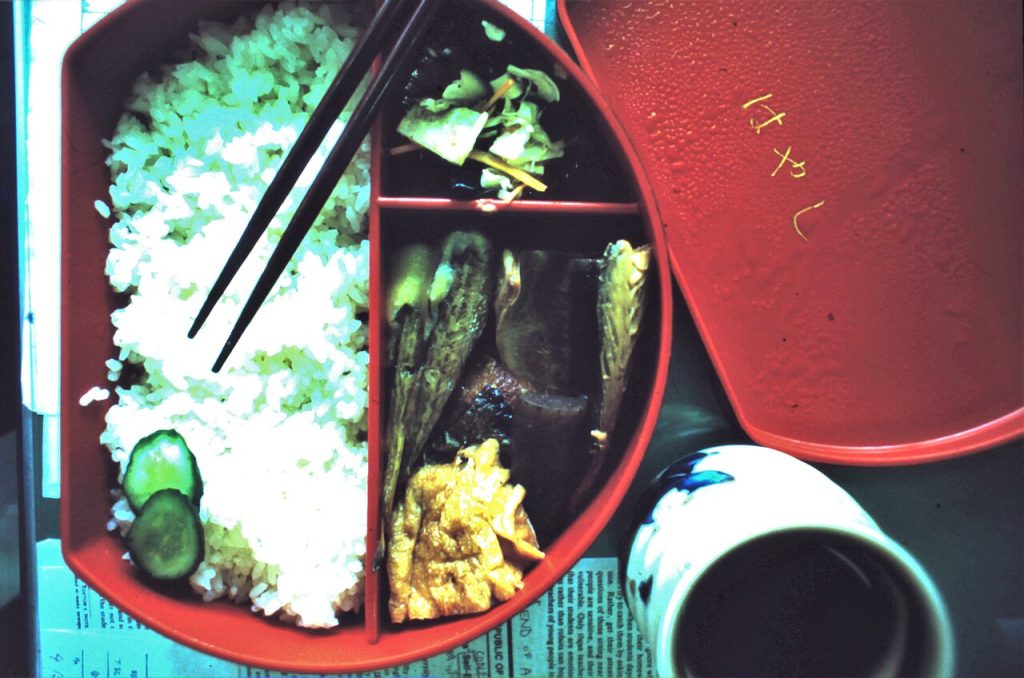
Miso soup is an instant, comforting starter. Just whisk 2 tablespoons of miso paste with 1 cup of warm water, add sliced tofu, green onions, and a handful of spinach. Serve immediately.
Simple Rice Bowl (Donburi)
Cook rice, top with a protein—grilled teriyaki chicken, pan‑fried tofu, or simmered fish. Finish with a drizzle of soy sauce, a sprinkle of sesame seeds, and a side of pickled vegetables.
Quick Meal Ideas
When time is limited, these recipes bring the essence of Japanese cuisine to your table with minimal effort.
- Stir‑Fried Vegetables with Soy‑Mirin Glaze: Toss broccoli, bell pepper, and carrots in a pan. Add 1 tablespoon soy sauce, 1 tablespoon mirin, and a splash of water. Cook until crisp‑tender.
- Egg‑on‑Rice (Tamago Kake Gohan): Crack a fresh egg into a bowl of hot rice, add a dash of soy sauce, and mix. The heat gently cooks the egg, creating a silky texture.
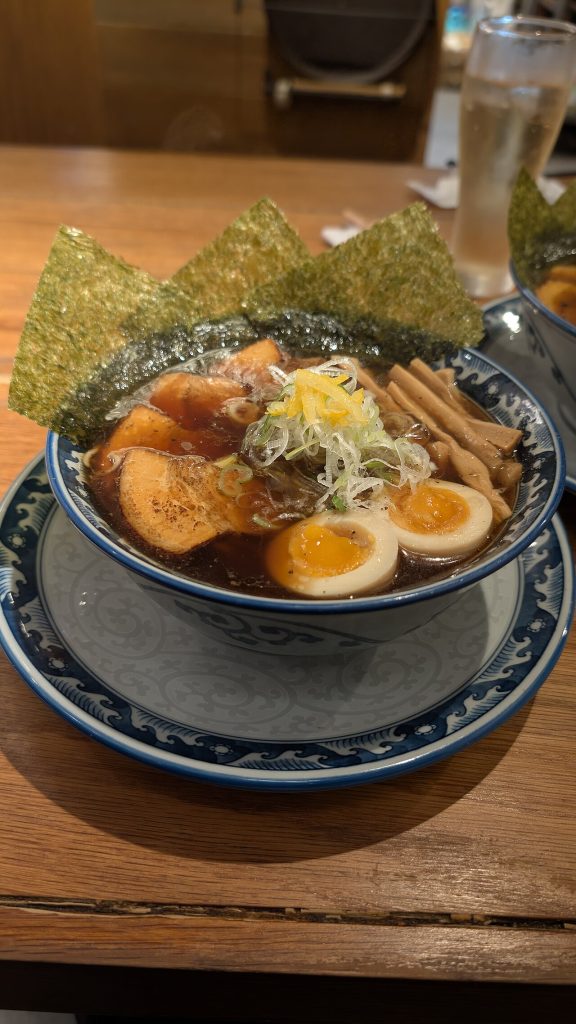
- Instant Ramen Upgrade: Use a quick‑cook ramen pack. Enhance it by adding a raw egg, sliced scallions, and a spoonful of miso paste.
Grilled Miso‑Glazed Salmon
Brush salmon fillets with a mixture of 2 tablespoons miso paste, 1 tablespoon mirin, and 1 teaspoon sugar. Grill for 4‑5 minutes per side. Serve over rice with steamed greens.
Practical Tips for Authentic Flavor
- Use Fresh, Seasonal Produce: Japanese chefs source ingredients at peak ripeness. Visit farmers markets or Asian grocery stores for seasonal produce.
- Master the Art of Umami: Add small amounts of kombu (seaweed), dried bonito flakes, or fermented soy products to soups and sauces.
- Temperature Control: Many Japanese dishes rely on precise heat. For example, a lightly seared steak should be rested before slicing.
- Presentation Matters: Arrange food in a visually appealing way. Use small bowls, cut vegetables into uniform slices, and sprinkle with sesame or chopped scallions.
- Keep it Simple: Avoid over‑seasoning. Taste as you cook and adjust gradually.
Conclusion
Incorporating Japanese cooking principles into your daily routine offers more than just new flavors; it encourages mindful eating, balanced nutrition, and creative use of pantry staples. By focusing on seasonality, minimalism, and balance, you can craft meals that are both satisfying and simple. Start with the staples we’ve highlighted, experiment with quick recipes, and soon you’ll find yourself turning everyday ingredients into Japanese‑inspired delights.