
Beyond the Neon Lights: What Makes Street Food Truly Authentic
Street food is often celebrated for its accessibility, but the real artistry lies in the little‑known practices that chefs use to create unforgettable dishes. From secret spice blends to unconventional cooking vessels, these secrets can transform a simple meal into an unforgettable culinary experience.
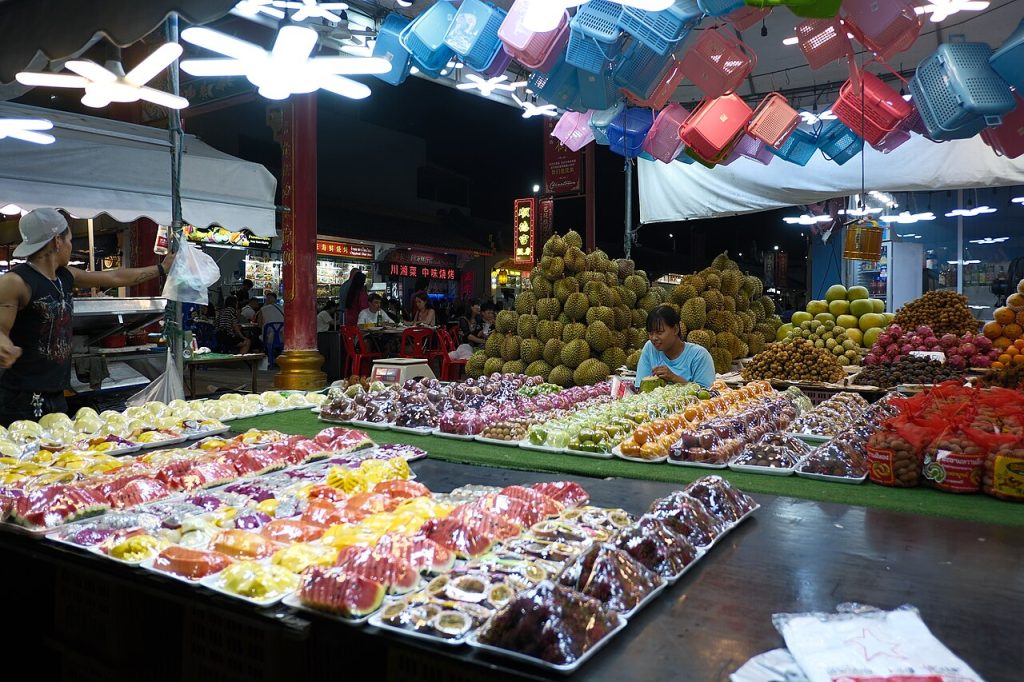
1. The Power of Fresh, Local Ingredients
While tourists flock to the most photographed stalls, the most flavorful offerings come from stalls that source ingredients directly from nearby farms and markets. These vendors often purchase produce, seafood, and meats the same day, ensuring maximum freshness.
- Farm‑to‑Stall Relationships: Many street cooks partner with local farmers, receiving early deliveries of produce that are still crisp and aromatic.
- Seasonal Menus: The menu changes daily based on what’s in season, making each visit a unique tasting experience.
- Minimal Processing: Ingredients are often used raw or lightly cooked, preserving natural flavors and nutrients.
2. Traditional Cooking Vessels: The Secret Sauce
The type of cookware used can dramatically influence taste. Traditional street food chefs often employ cast‑iron pans, clay pots, or bamboo steamers—each imparting subtle flavors that modern cookware cannot replicate.
- Cast Iron: Retains heat, giving meats a caramelized crust while keeping interiors juicy.
- Clay Pots: Slow cooking in clay releases earthy undertones, ideal for stews and curries.
- Bamboo Steamers: Preserve the delicate aroma of seafood and dumplings.
3. Mastering the Balance: Spice Blends & Sauces
Street food isn’t just about heat; it’s about harmony. Chefs develop proprietary spice blends that balance sweet, salty, umami, and spicy notes. These blends are often kept secret, passed down through generations.
- Dry Rubs: A mix of cumin, coriander, smoked paprika, and a touch of sugar creates depth in grilled meats.
- Wet Sauces: Fresh chilies, tamarind, fish sauce, and lime juice combine to produce vibrant, tangy flavors.
- Fermented Condiments: Sauces like kimchi, miso, or fermented fish paste add complexity.
4. The Art of Timing: When to Serve
Street food thrives on immediacy. Dishes are often prepared and served within minutes, ensuring optimal texture and temperature. Timing is critical—overcooked or undercooked food loses its appeal.
- Quick Frying: Oil temperature must be precise to achieve a crisp exterior without absorbing excess fat.
- Instant Steaming: Fresh dumplings or buns are best when steamed just before serving.
- Rapid Cooling: Some desserts, like shaved ice topped with condensed milk, need to be cooled rapidly to maintain texture.
5. Practical Tips for Home Cooks
5.1 Source the Right Ingredients
Visit local farmers’ markets or Asian grocery stores to find fresh produce. Look for bright, firm vegetables and firm, clean seafood. If possible, ask the vendor about their sourcing methods.
5.2 Replicate Traditional Vessels
Invest in a good cast‑iron skillet or a clay pot. If you’re short on space, a non‑stick wok can serve as a versatile alternative.
5.3 Experiment with Spice Blends
Start with a base of cumin, coriander, and paprika. Add a pinch of sugar, salt, and a splash of vinegar or lime juice to balance the flavors.
5.4 Master the Timing
Practice cooking at high heat. Use a thermometer to gauge oil temperature. Keep a timer handy to ensure you serve dishes at their peak.
6. Travel Hacks to Find Hidden Street Food Gems
Don’t rely solely on tourist guides. Instead, ask locals for their favorite stalls. Observe where crowds gather—often, the most popular stalls are those that have earned a loyal following through consistency and quality.
- Local Language Phrases: Learning a few words like “tasty” or “best” can help you navigate conversations.
- Early Mornings & Late Nights: Many stalls open early for breakfast specials and stay open late for dinner.
- Follow Food Bloggers: Bloggers often highlight lesser‑known stalls that locals love.
Conclusion: Bringing Street Food Culture Home
Street food is a living, breathing testament to the ingenuity of ordinary people. By understanding the secrets behind ingredient sourcing, cookware, spice blends, and timing, you can recreate the authentic experience at home. Whether you’re a seasoned foodie or a curious traveler, these insights will help you appreciate the subtle artistry that makes street food unforgettable.