
Street food is often celebrated for its bold flavors and quick service, yet many of the world’s most exciting dishes remain under the radar. From hidden alleyways in Southeast Asia to bustling market corners in Eastern Europe, a wealth of culinary treasures awaits those willing to venture beyond the mainstream. This guide uncovers lesser‑known street food secrets, offers practical travel tips, and explains how to enjoy these delights safely and responsibly.
Why Street Food Deserves a Spotlight
Beyond the instant gratification of a quick bite, street food is a living archive of a community’s history, culture, and ingenuity. It showcases local ingredients, age‑old recipes, and the creative use of limited resources. By exploring the niche offerings of street vendors, travelers gain a deeper, more authentic understanding of the places they visit—something that curated restaurants rarely provide.
Beyond the Obvious: Uncommon Street Food Traditions
Hidden Flavors of Southeast Asia
While Pad Thai and satay are household names, Southeast Asia’s street scene hides lesser‑known gems that pack a punch. In Vietnam, bánh cuốn—steamed rice rolls filled with minced pork and mushrooms—offers a delicate, aromatic experience that contrasts with the region’s fiery pho. In Thailand’s night markets, khao soi is a creamy curry noodle soup topped with crispy noodles and tangy pickled vegetables, often found only in the northern provinces.
Indonesia’s capital Jakarta is famed for its nasi uduk, fragrant coconut‑rice served with tempeh, boiled egg, and sambal. Though popular in the city, its origin traces back to Betawi street vendors who mixed coconut milk with rice as a way to preserve leftovers. The result is a fragrant, slightly sweet dish that pairs perfectly with the spicy condiments found in local stalls.
Place one for an evocative image:
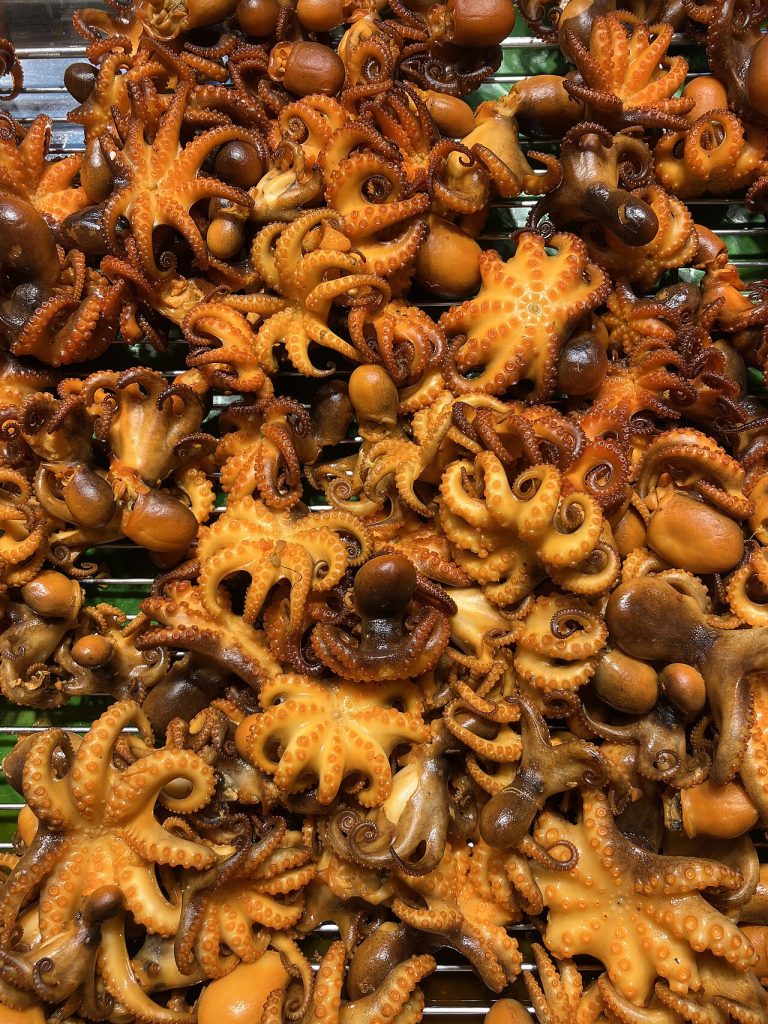
Unexpected Delicacies from Latin America
In the streets of Quito, Ecuador, hornado—slow‑roasted pork served with mote and plantains—offers a mouth‑watering combination of savory and sweet flavors that is rarely seen outside the Andes. Meanwhile, in the markets of Oaxaca, Mexico, tlayudas are large, crispy tortillas topped with refried beans, cheese, and nopal strips; a true representation of Mexican street ingenuity.
Surprisingly, some Central American cities host street vendors selling tostones—twice‑fried plantain slices—topped with spicy shrimp or local ceviche. These offerings showcase the region’s reliance on tropical produce and the vendors’ ability to turn humble ingredients into street‑food sensations.
Place two for an evocative image:
Street Food Surprises in Eastern Europe
In Warsaw’s historic market, the humble zapiekanka—a baguette topped with mushrooms, cheese, and tomato sauce—has become a beloved late‑night snack. Yet, many travelers overlook the kielbasa roll from Poland’s street stalls, where smoked sausage is wrapped in a soft roll and grilled to perfection.
Beyond Poland, the streets of Sarajevo offer ćevapi, small minced meat rolls served with flatbread, onions, and a peppery sauce. Though similar to the Balkan’s famous ćevapi, the Sarajevo version often includes a unique blend of spices that give it a distinct, aromatic profile.
Practical Tips for Authentic Street Food Adventures
- Research Local Markets: Use local forums or ask residents for the best vendor recommendations. The most authentic stalls are often a few blocks away from tourist centers.
- Timing Matters: Many street vendors open late at night and close early in the morning. Arriving during peak times ensures fresh offerings and a lively atmosphere.
- Ask About Ingredients: Don’t hesitate to inquire about the cooking methods or source of ingredients. This not only shows respect for the vendor but also helps you avoid allergens.
- Carry Cash: Most street stalls accept only cash, and change may be limited. Having small denominations on hand will keep you in line.
- Learn a Few Phrases: Even basic greetings in the local language can go a long way in building rapport with vendors.
How to Savor Safely: Health and Hygiene
- Observe the Cooking Process: A visibly clean cooking area and a vendor who maintains a high standard of hygiene are good indicators of food safety.
- Watch for Freshness: Freshly cooked dishes with vibrant colors are usually safe. Avoid foods that look dry or have been sitting for long periods.
- Use Hand Sanitizer: Carry a small bottle of hand sanitizer to clean your hands before eating, especially in crowded markets.
- Stay Hydrated: Drink bottled or filtered water and avoid ice that may have been sourced from questionable water.
- Know Your Limits: If you have a sensitive stomach or specific dietary restrictions, choose dishes that align with your needs and avoid street foods that are heavily processed.
Place three for an evocative image:
Conclusion
Street food is more than a quick bite—it’s a window into the soul of a culture. By exploring the hidden corners of markets worldwide, respecting local customs, and prioritizing safety, you can experience culinary adventures that go far beyond the familiar. The next time you find yourself wandering a city’s streets, let curiosity guide you to those lesser‑known stalls; they hold the promise of flavors that will stay with you long after the last bite.