
Why Japanese Food Works for Everyday Meals
Japanese cuisine is celebrated for its emphasis on fresh, seasonal ingredients, minimal but precise seasoning, and balanced nutrition. The result is a menu that feels both comforting and sophisticated, yet it can be prepared in under 30 minutes. By adopting a few key principles—using umami‑rich sauces, incorporating a variety of textures, and keeping prep simple—you can transform ordinary weekdays into culinary adventures.
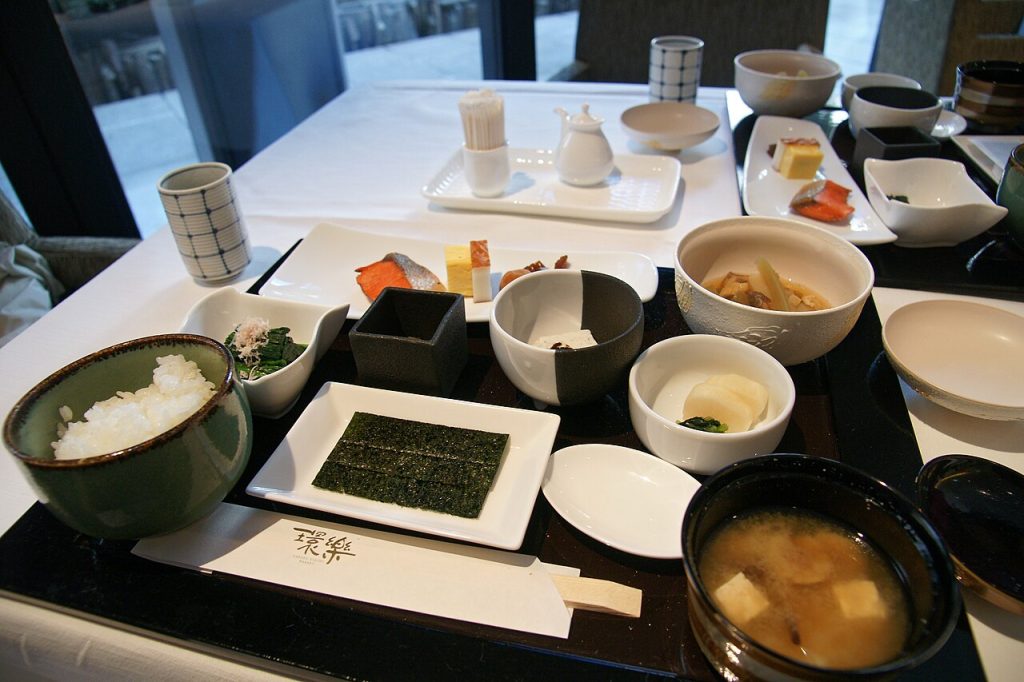
Breakfast Inspiration: Quick and Nourishing Miso Soup with Rice
Start your day with a bowl of warm miso soup paired with plain steamed rice. This combination offers a gentle protein boost and a subtle depth of flavor that keeps you satisfied until lunch.
- Miso paste – choose a mild white or red blend for a balanced taste.
- Tofu – small cubes add protein without heaviness.
- Wakame seaweed – rehydrate in hot water for a mineral kick.
- Green onions – thinly sliced for freshness.
- Rice – short‑grained or jasmine for a silky texture.
In just 10 minutes, bring the soup to a gentle simmer, stir in miso, add tofu and seaweed, and finish with green onions. Serve over warm rice and enjoy a wholesome, low‑fat breakfast that supports steady energy levels.
Bento Box Ideas for Work or School
A bento box is more than a lunch container; it’s a canvas for creativity. Aim for a color balance of protein, veggies, and carbs, and remember that portion control is key.
- Protein: Grilled teriyaki chicken or smoked salmon.
- Veggies: Steamed broccoli, carrot ribbons, and edamame.
- Carb: Short‑grained rice or a small serving of soba noodles.
- Fruit: Sliced melon or a few grapes for natural sweetness.
- Condiment: A small container of wasabi or pickled ginger.
Arrange each component in its own compartment, and you’ll have a meal that’s visually appealing and nutritionally balanced. The bento’s modular nature means you can swap ingredients based on seasonal availability or dietary preferences.
Evening: Simple Teriyaki and Vegetable Stir‑Fry
For dinner, a quick teriyaki stir‑fry delivers bold flavors without long cooking times. The sauce’s natural sweetness pairs beautifully with the crunch of fresh vegetables.
- Protein: Thinly sliced beef, pork, or tofu.
- Veggies: Bell pepper strips, snow peas, and sliced mushrooms.
- Base: Rice or quinoa.
- Sauce: Soy sauce, mirin, a touch of honey, and grated ginger.
Heat a tablespoon of sesame oil, sauté the protein until browned, add veggies and cook until just tender, then pour in the teriyaki sauce and stir until glossy. Serve over rice and finish with a sprinkle of toasted sesame seeds.
Practical Tips: Stocking a Japanese Pantry and Time‑Saving Tricks
To keep the flow of cooking smooth, maintain a small but versatile pantry of staples:
- Rice vinegar – for sushi rice and dressings.
- Mirin – adds sweet depth to sauces.
- Worcestershire sauce (Japanese style) – enhances umami.
- Seaweed sheets – for nori, kombu, and wakame.
- Japanese soy sauce – choose low‑sodium if you’re watching salt.
When time is tight, prep ahead: chop vegetables in bulk, cook rice in a rice cooker, or keep pre‑marinated protein ready in the fridge. Using a single pan for stir‑fries saves both time and cleanup.
Conclusion
Japanese food offers a roadmap for simple, balanced meals that feel luxurious without the fuss. By embracing its core principles—freshness, umami, and thoughtful presentation—you can elevate everyday cooking into a source of inspiration and nourishment.