
Chinese cuisine is a vast tapestry of flavors, techniques, and traditions that vary across regions. Whether you’re a seasoned traveler or a newcomer to the culinary scene, knowing how to choose the right dishes can transform an ordinary meal into an unforgettable experience. This guide offers clear, practical advice for navigating menus, spotting genuine flavors, and enjoying Chinese food with confidence.
Understanding Regional Varieties
China’s culinary identity is shaped by its geography. Each region brings distinct ingredients, cooking methods, and flavor profiles:
- Shandong – Known for its “fresh” seafood and light, savory sauces.
- Sichuan – Famous for bold chili and numbing honey‑pepper notes.
- Guangdong (Cantonese) – Emphasizes steaming and freshness with delicate sauces.
- Jiangsu & Zhejiang – Feature sweet and umami flavors, often with a hint of fruit.
- Yunnan – Uses wild mushrooms and aromatic herbs.
When you see a dish labeled “Sichuan” or “Cantonese,” you already have a clue about its flavor profile and cooking method.
Key Ingredients to Look For
Authenticity is often reflected in the ingredients you can see:
- Fresh aromatics: ginger, garlic, scallions, and Chinese leeks give depth.
- Signature sauces: soy sauce, oyster sauce, hoisin sauce, and fermented bean paste.
- Regional condiments: Sichuan peppercorns, preserved mustard greens, or pickled cabbage.
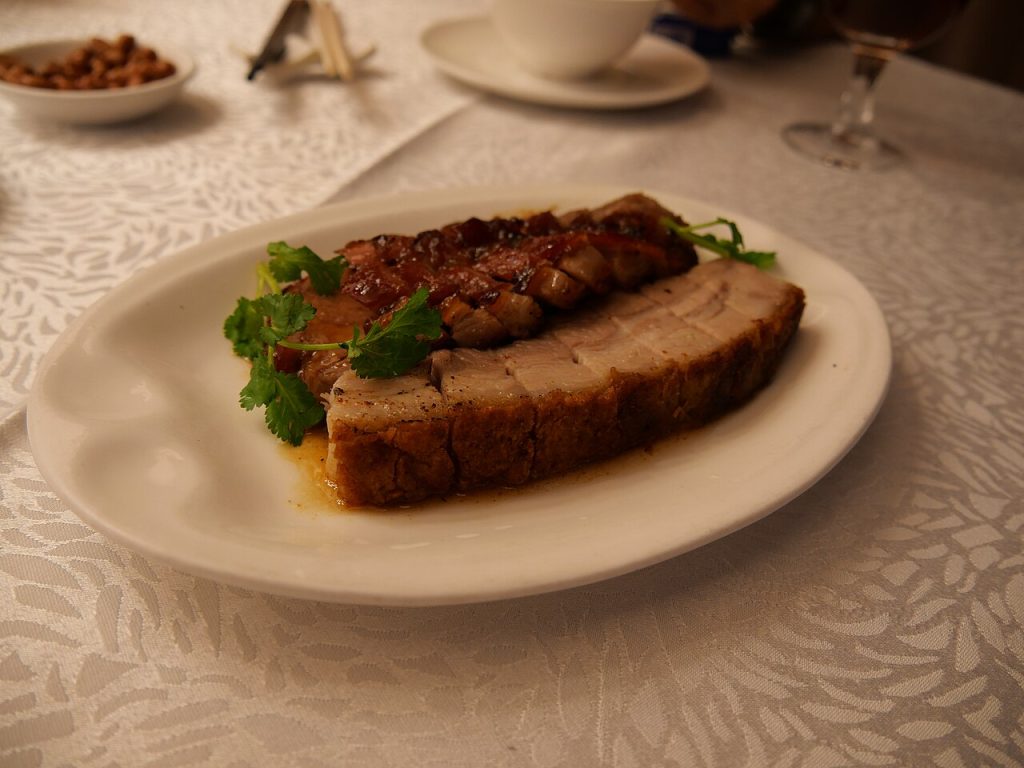
- Protein choices: duck, pork belly, fish, and tofu are staples, often marinated with rice wine or Shaoxing wine.
- Vegetable freshness: bok choy, Chinese broccoli, and lotus root are commonly used.
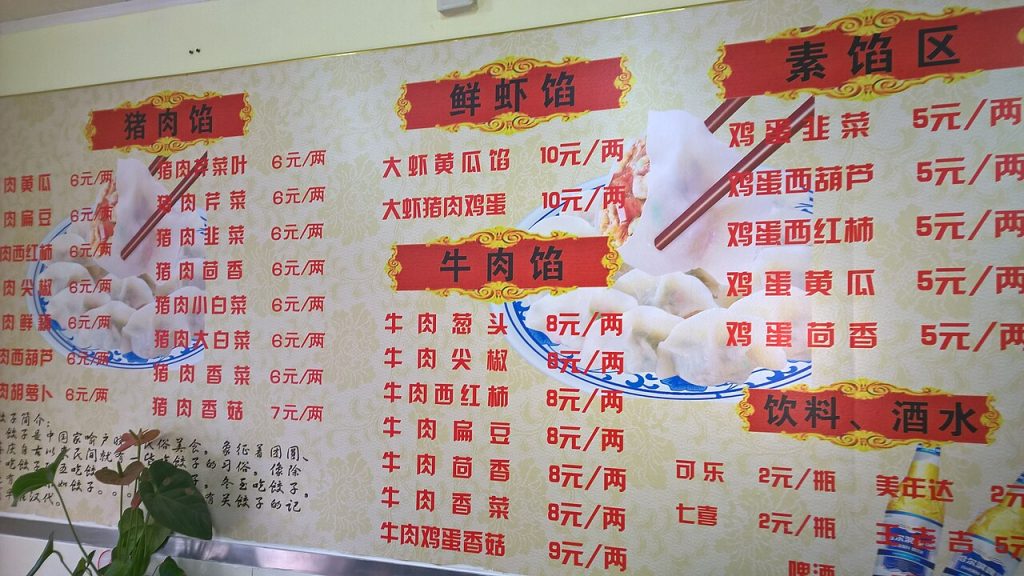
Ask the waiter or look for these ingredients on the menu to ensure you’re getting a dish that truly represents its regional roots.
Popular Dishes to Try
Stir‑Fried Noodles & Rice
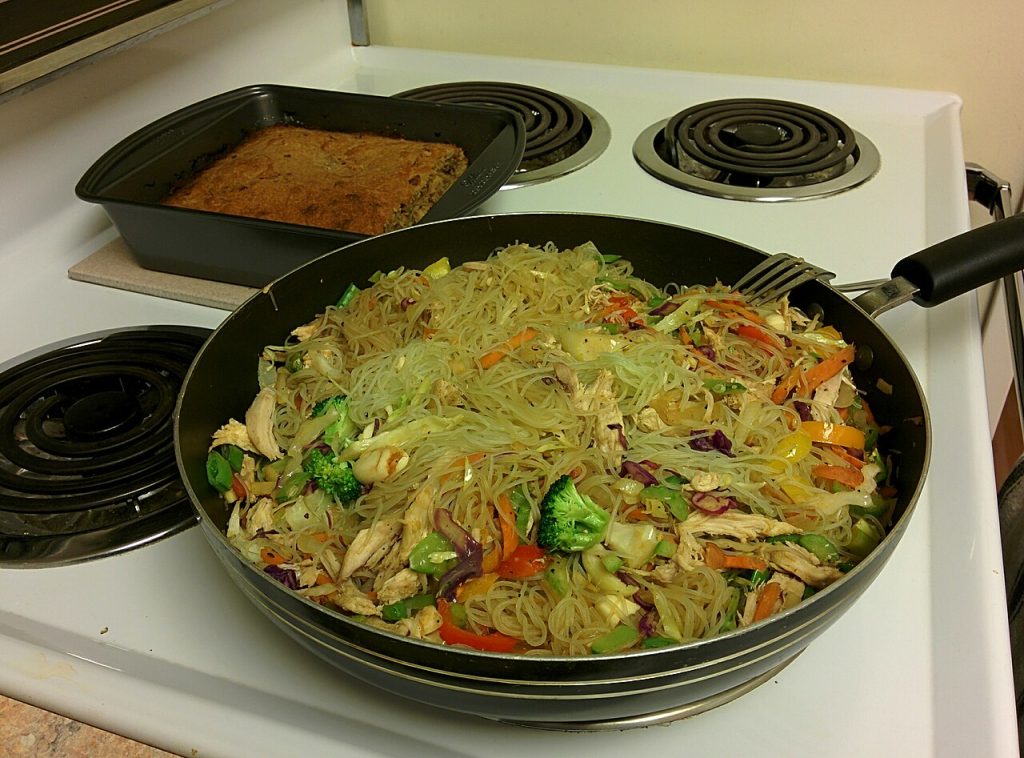
Stir‑fried chow mein or lo mein showcases the classic “quick‑fire” technique. Look for a slightly charred surface and a glossy sauce.
Dim Sum
Dim sum is a Cantonese tradition of bite‑size items like har gow (shrimp dumplings) and siu mai (pork dumplings). It’s a great way to sample multiple flavors without committing to a full meal.
Sichuan Hot Pot
The base of spicy broth with numbing Sichuan peppercorns is a communal experience. Opt for a clear or spicy broth depending on your tolerance for heat.
Sweet and Sour Pork
Look for a balanced ratio of sweet, sour, and savory, with a bright glaze that coats the pork without being overly sweet.
Char Siu Pork
Glazed and charred, this Cantonese barbecue pork is marinated in honey, soy sauce, and spices. It should be slightly caramelized on the edges.
Dining Etiquette Tips
Chinese dining etiquette enhances the experience and shows respect:
- Sharing is key: Dishes are usually served family‑style; take small portions to sample everything.
- Use chopsticks properly: Hold them near the tip; avoid pointing or waving.
- Respect the host: If you’re eating in China, wait for the host to start eating before you begin.
- Finish your plate: Leaving food indicates wastefulness; finish what’s on your plate or ask for a second round.
- Pay attention to temperature: Chinese food is often served hot; if a dish is lukewarm, politely ask for a fresh portion.
When to Order Takeout vs Restaurant
Choosing between dining in and takeout depends on your goals:
- Authenticity: In‑house restaurants with experienced chefs often provide fresher, more authentic flavors. Takeout can be convenient but may lack depth.
- Specialty dishes: If you want a signature dish like pan‑fried scallops or hot pot, dine in to experience the chef’s presentation.
- Budget: Takeout usually costs less and is great for quick meals. Dining in can be pricier but offers a full experience.
- Time constraints: If you’re short on time, takeout allows you to enjoy Chinese food on the go.
In summary, whether you’re at a bustling street stall or a high‑end restaurant, knowing what to look for—regional cues, key ingredients, and proper etiquette—will guide you toward the most satisfying Chinese culinary adventure.
Conclusion
Choosing the right Chinese food is less about memorizing a list of dishes and more about understanding the regional palate, spotting authentic ingredients, and engaging with the dining culture. With these practical tips, you can confidently explore China’s diverse flavors and enjoy meals that truly reflect the spirit of each region.