
Introduction
Indonesian food is a mosaic of spices, textures, and regional traditions. From the fiery rendang of Sumatra to the fragrant nasi goreng of Java, each dish tells a story of history and culture. For beginners, the sheer variety can feel intimidating, but a few key concepts and signature foods make the journey approachable. This guide will walk you through the essential flavors, classic dishes, practical cooking tips, and the best ways to experience authentic Indonesian cuisine.
Key Flavors & Ingredients
Spice Profile
Indonesian cooking balances sweet, salty, sour, and bitter. Common spices include:
- Galangal – earthy, peppery root used in soups and stews.
- Kaffir lime leaves – citrusy aroma that brightens curries.
- Belacan (shrimp paste) – adds depth and umami to sambals.
- Turmeric, cumin, coriander – provide color and warm undertones.
Staple Ingredients
Rice is the backbone of every meal, often served steamed or fried. Coconut milk appears in curries and desserts, giving a rich, creamy texture. Sweet potatoes, cassava, and taro are common tubers. Fresh herbs like lemongrass, daun salam, and basil are essential for flavoring.
Classic Dishes to Try
Rendang (Beef Rendang)
A slow‑cooked dry curry from Padang, featuring beef simmered in coconut milk, lemongrass, galangal, and a complex spice paste. It’s savory, slightly sweet, and intensely aromatic.
Nasi Goreng (Indonesian Fried Rice)
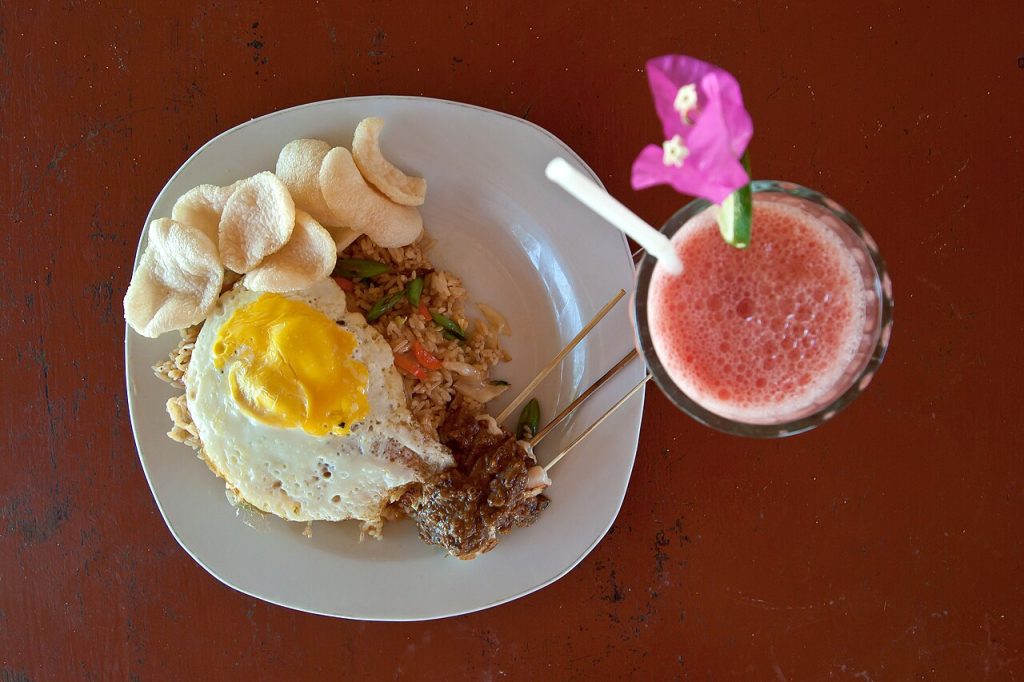
Stir‑fried rice flavored with sweet soy sauce (kecap manis), shallots, garlic, and often topped with a fried egg. It’s a versatile dish that can incorporate shrimp, chicken, or vegetables.
Satay (Grilled Skewers)
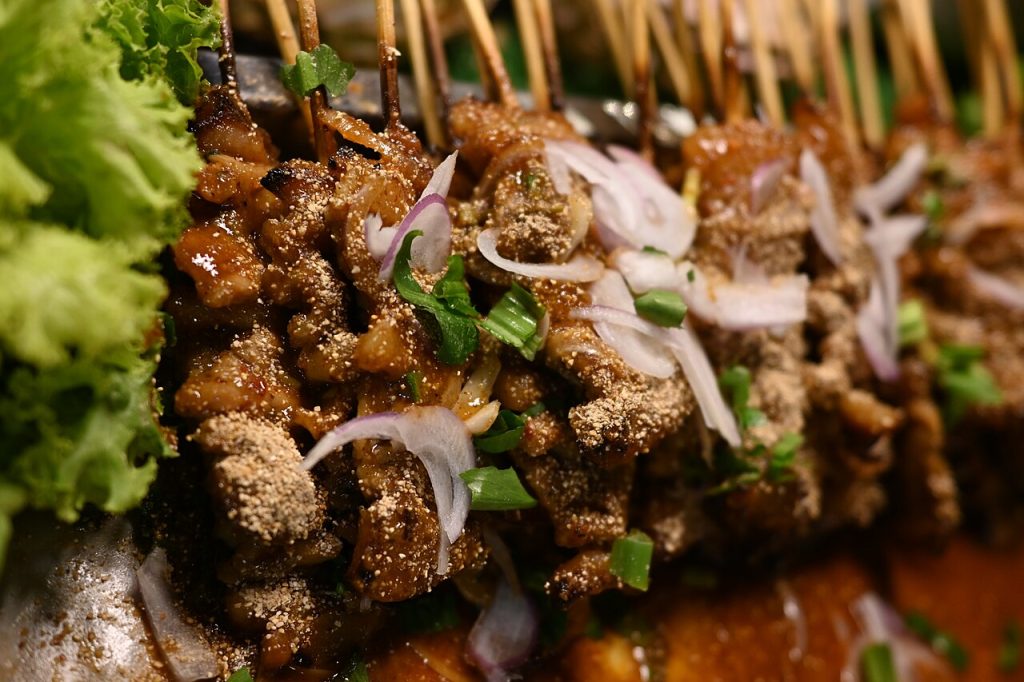
Marinated pieces of chicken, beef, or lamb grilled over charcoal, served with a peanut sauce enriched with coconut milk and sweet soy sauce.
Gado‑Gado (Vegetable Salad)
A mixed vegetable salad tossed in a peanut‑based dressing, showcasing Indonesia’s love for fresh produce and nutty flavors.
Cooking at Home: Tips & Tricks
Make Your Own Spice Paste
Fresh spice pastes (bumbu) deliver the best flavor. Blend chilies, shallots, garlic, and ginger with a splash of tamarind or lime juice to create a base that can be adapted for curries, marinades, or stir‑fries.
Use a Dutch Oven or Clay Pot
These vessels distribute heat evenly, ideal for slow‑cooked dishes like rendang or soto (broth). The porous material retains moisture, ensuring tender meat and rich broth.
Balance Sweetness and Sourness
Indonesian dishes often use palm sugar (gula jawa) for sweetness and tamarind or lime for acidity. Taste as you cook and adjust to keep flavors harmonious.
Where to Experience Authentic Indonesian Food
While the islands are a culinary destination, you can also find reputable Indonesian restaurants in major cities worldwide. Look for eateries that emphasize traditional cooking methods, such as open‑fire grilling or clay‑pot simmering. Reading local reviews or asking for the chef’s recommendation can lead you to hidden gems.
Conclusion
Indonesian cuisine offers a rich tapestry of flavors that is both approachable and deeply rewarding. By understanding its core spices, sampling classic dishes, and applying a few cooking techniques, beginners can confidently explore this diverse culinary landscape. Whether you’re cooking at home or dining out, the warmth and generosity of Indonesian food will leave a lasting impression.