
There’s something magical about sitting down to a dish that carries centuries of history in every bite. Food is one of the most powerful ways cultures express who they are — and exploring global cuisines from your own kitchen is one of the most rewarding things you can do. Here at experience aksarabrita, we believe that every recipe tells a story worth discovering.
In this post, we’ve rounded up five beloved traditional dishes from five different countries. Each one comes with a brief look at its origins, a list of ingredients, and a simple step-by-step recipe so you can try it at home — no culinary degree required.
1. 🇯🇵 Sushi — Japan
Origin
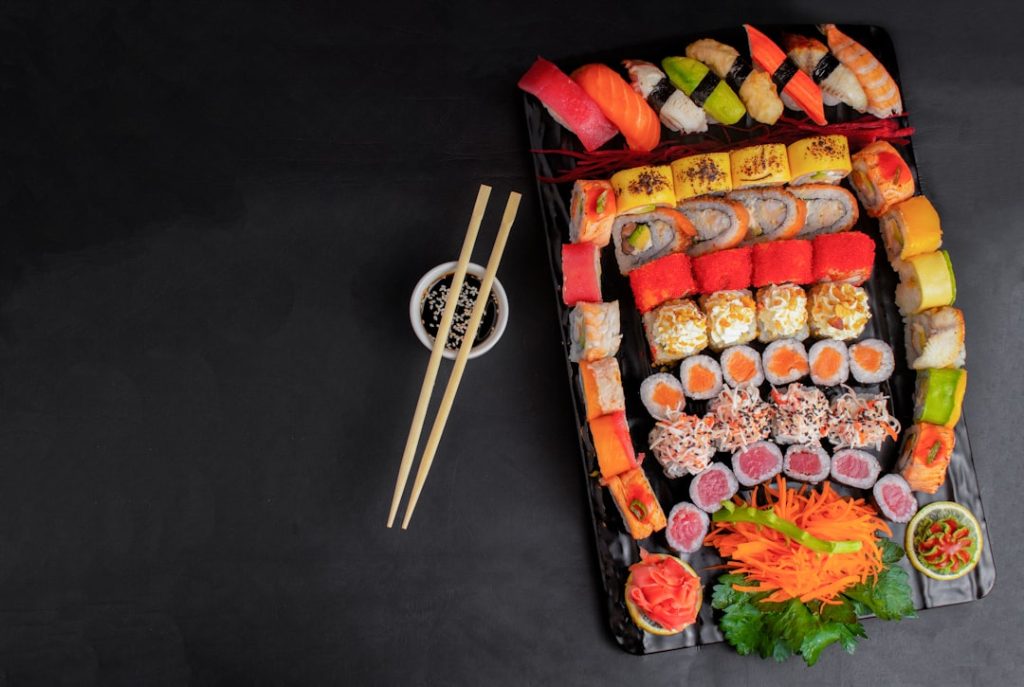
Sushi is arguably Japan’s most recognized culinary export. Its earliest roots trace back to a fish-preservation method that originated in Southeast Asia around the 2nd century, where fish was layered in salted rice and left to ferment. The technique eventually made its way to Japan, where it evolved dramatically. By the Edo period (17th to 19th century), the dish had transformed into its modern form — fresh fish paired with vinegared rice — becoming the cornerstone of Japanese dining culture we know today.
The word sushi itself is rooted in the Japanese words for “vinegar” (su) and “rice” (meshi), literally meaning vinegared rice. Today it’s enjoyed worldwide in countless variations, from simple nigiri to elaborate rolls.
Ingredients (Serves 4)
| Ingredient | Amount |
|---|---|
| Short-grain sushi rice | 2 cups |
| Rice vinegar | 3 tbsp |
| Sugar | 1 tbsp |
| Salt | 1 tsp |
| Nori (dried seaweed sheets) | 4 sheets |
| Fresh salmon or tuna (sashimi-grade) | 200 g |
| Cucumber, julienned | 1 medium |
| Avocado, sliced | 1 medium |
| Soy sauce, wasabi, pickled ginger | To serve |
Simple Recipe: Homemade Sushi Rolls
Step 1 — Cook the rice: Rinse the sushi rice under cold water until the water runs clear. Cook with 2⅔ cups of water: bring to a boil, then reduce heat, cover, and simmer for 15 minutes. Remove from heat and let it rest for 5 minutes.
Step 2 — Season the rice: Mix rice vinegar, sugar, and salt together until dissolved. Fold this mixture gently into the warm rice. Let it cool to room temperature.
Step 3 — Prepare the fillings: Slice your fish, cucumber, and avocado into thin strips. Keep everything chilled until ready to use.
Step 4 — Roll: Lay a nori sheet on a bamboo mat (or a clean kitchen towel). Spread a thin, even layer of rice across the nori, leaving a 2 cm border at the top. Arrange your fillings in a line across the bottom third.
Step 5 — Slice and serve: Roll tightly using the mat, pressing gently as you go. Use a sharp, wet knife to cut the roll into 6–8 pieces. Serve with soy sauce, wasabi, and pickled ginger on the side.
2. 🇮🇳 Butter Chicken (Murgh Makhani) — India
Origin
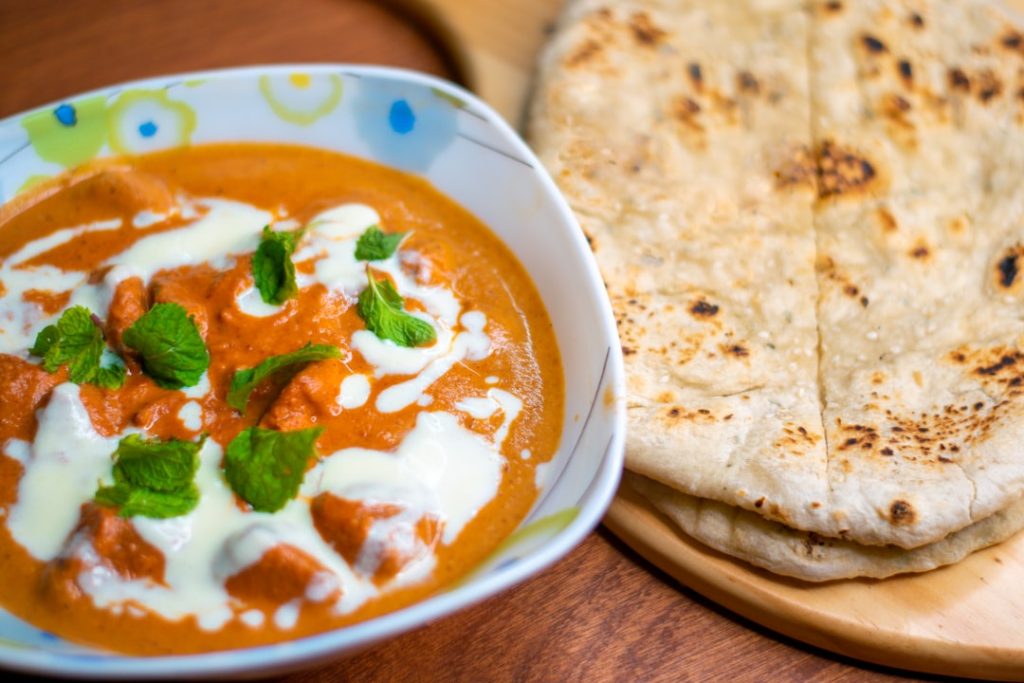
Butter chicken — or murgh makhani — is one of India’s most beloved culinary exports. According to National Geographic, it started life as a practical solution: a way of repurposing day-old tandoori chicken that restaurant customers wouldn’t eat past its succulent best. The dish was born at the Moti Mahal restaurant in Delhi in the 1950s, credited to chef Kundan Lal Gujral, who simmered leftover tandoori chicken in a sauce of tomatoes, butter, and warming spices.
What defines an authentic murgh makhani? The chicken is always marinated and cooked at high heat first, and the sauce is always smooth, mildly spiced, and enriched with both butter and cream — vibrant red-orange, rich without being heavy. In just a few decades, it grew from a restaurant experiment into a globally beloved dish.
Ingredients (Serves 4)
| Ingredient | Amount |
|---|---|
| Boneless chicken thighs | 600 g |
| Plain yogurt | ½ cup |
| Ginger-garlic paste | 1 tbsp |
| Garam masala | 1½ tsp |
| Kashmiri chilli powder | 1 tsp |
| Canned crushed tomatoes | 1½ cups |
| Butter | 3 tbsp |
| Heavy cream | ⅓ cup |
| Cumin seeds | 1 tsp |
| Salt | To taste |
| Fresh coriander | To garnish |
Simple Recipe: Homemade Butter Chicken
Step 1 — Marinate: Cut chicken into bite-sized pieces. Mix yogurt, ginger-garlic paste, garam masala, chilli powder, and a pinch of salt. Coat the chicken thoroughly and refrigerate for at least 30 minutes (overnight is even better).
Step 2 — Cook the chicken: Heat a large pan over high heat with a splash of oil. Cook the marinated chicken pieces until charred and cooked through, about 6–8 minutes. Set aside.
Step 3 — Build the sauce: In the same pan, melt butter over medium heat. Add cumin seeds and let them sizzle for 30 seconds. Add the crushed tomatoes and cook for 10 minutes until the sauce thickens and the raw tomato smell fades.
Step 4 — Combine: Add the cooked chicken to the sauce and simmer together for 10–15 minutes so the chicken fully absorbs all the flavors. Stir in the heavy cream and an extra knob of butter for that signature richness.
Step 5 — Serve: Garnish with fresh coriander and serve hot over steamed basmati rice or with warm naan bread. Pure comfort in a bowl.
3. 🇪🇸 Paella — Spain
Origin
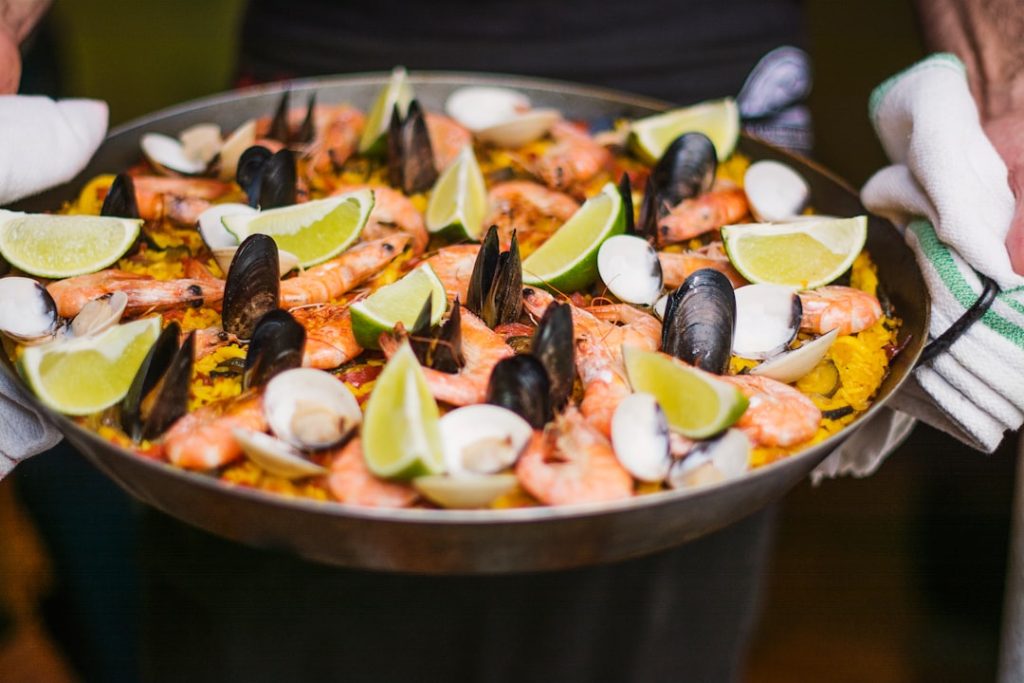
Paella is the most beloved of all Spanish dishes — a stunning combination of saffron-infused short-grain rice mixed with meat, seafood, and vegetables. It originates from Valencia, on Spain’s eastern coast, where it was traditionally cooked outdoors over an open fire in a wide, shallow pan called a paellera. In its simplest, most authentic form — known as Paella Valenciana — it was made with chicken or rabbit, sofrito, Bomba rice, and broth.
Today there are hundreds of variations, from seafood-heavy versions to the mixed paella mixta that combines both meat and shellfish. The beauty of paella is its flexibility — and you don’t even need a special paella pan to make it at home.
Ingredients (Serves 4)
| Ingredient | Amount |
|---|---|
| Short-grain rice (Bomba or Arborio) | 1½ cups |
| Chicken thighs | 4 pieces |
| Large shrimp, peeled | 200 g |
| Smoked chorizo, sliced | 100 g |
| Chicken stock | 3 cups |
| Saffron threads | A generous pinch |
| Canned diced tomatoes | ½ cup |
| Red bell pepper, sliced | 1 medium |
| Garlic, minced | 3 cloves |
| Smoked paprika | 1 tsp |
| Frozen peas | ½ cup |
| Olive oil | 2 tbsp |
| Lemon wedges & fresh parsley | To serve |
Simple Recipe: Homemade Paella
Step 1 — Bloom the saffron: Steep the saffron threads in ¼ cup of warm stock for at least 10 minutes. Crush the threads slightly to release maximum color and flavor — a little goes a long way.
Step 2 — Brown the chicken: Heat olive oil in a large, wide skillet over medium-high heat. Add the chicken thighs and cook for about 5 minutes per side until lightly browned. Remove and set aside.
Step 3 — Build the base: In the same pan, cook the chorizo for 2 minutes. Add garlic, red pepper, and tomatoes. Stir in the paprika and cook for another 3–4 minutes until fragrant.
Step 4 — Add rice and stock: Stir in the rice, coating it well. Pour in the remaining stock plus the saffron liquid. Return the chicken to the pan. Bring to a boil, then reduce heat and simmer uncovered for 18–20 minutes — do not stir the rice once it’s in.
Step 5 — Finish and serve: Scatter the shrimp and peas over the top in the final 5 minutes of cooking. Remove from heat, drizzle with fresh lemon juice, and cover loosely with a clean towel to rest for 5 minutes. Garnish with parsley and lemon wedges.
4. 🇲🇽 Tacos Al Pastor — Mexico
Origin
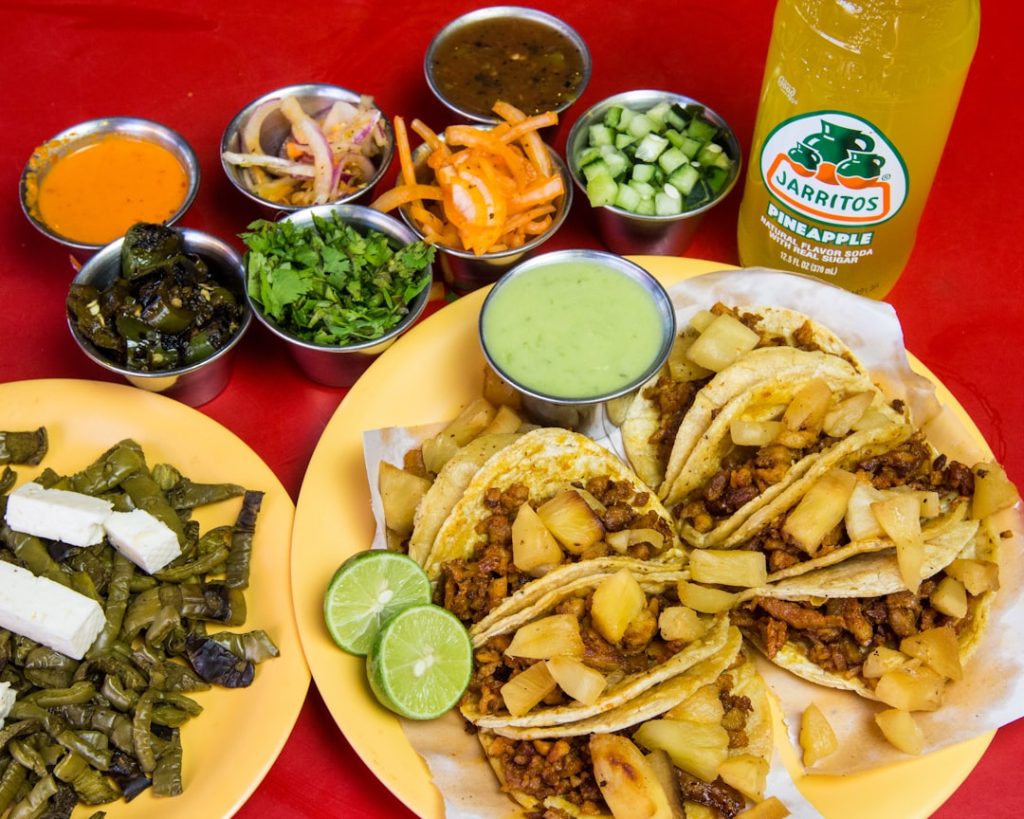
Few dishes tell a more fascinating cross-cultural story than tacos al pastor. The roots of al pastor trace back to Lebanese immigrants who arrived in Mexico in the late 19th and early 20th centuries. They brought with them the shawarma tradition — a style of slow-cooking stacked, spiced meat on a vertical rotisserie. In Puebla, locals adapted the technique beautifully: lamb was replaced with pork, the seasoning was transformed into a red adobo made with dried Mexican chiles and achiote, and small corn tortillas replaced the pita bread.
The name al pastor means “shepherd style,” a nod to the original lamb version. By the 1950s and ’60s, the dish had migrated from Puebla to Mexico City, taking on the full form we know today: deeply marinated pork, pineapple, cilantro, onion, and salsa on a small corn tortilla. It’s one of the most iconic street foods in the world.
Ingredients (Serves 4)
| Ingredient | Amount |
|---|---|
| Pork shoulder, thinly sliced | 600 g |
| Achiote paste | 2 tbsp |
| Dried guajillo chiles, rehydrated | 3 pieces |
| Orange juice | ¼ cup |
| Lime juice | 2 tbsp |
| Apple cider vinegar | 1 tbsp |
| Garlic cloves | 3 cloves |
| Cumin | 1 tsp |
| Dried oregano | 1 tsp |
| Fresh pineapple, sliced | ½ cup |
| Small corn tortillas | 12 pieces |
| White onion, cilantro, salsa, lime | To serve |
Simple Recipe: Homemade Tacos Al Pastor
Step 1 — Make the marinade: Blend together the achiote paste, rehydrated guajillo chiles, garlic, orange juice, lime juice, vinegar, cumin, and oregano until completely smooth. The pineapple not only adds sweetness but also helps tenderize the meat — you can blend a little into the marinade too.
Step 2 — Marinate the pork: Coat the thinly sliced pork shoulder thoroughly in the marinade. Cover and refrigerate for at least 2 hours, or ideally overnight for the deepest flavor.
Step 3 — Cook the pork: Heat a heavy skillet or grill pan over high heat. Cook the pork slices in batches for 2–3 minutes per side until nicely charred and caramelized on the edges. A hot surface is key to getting those browned, slightly crispy edges that make al pastor so addictive.
Step 4 — Add pineapple: In the last minute of cooking, toss the pineapple slices into the pan and cook briefly until they caramelize. Then chop the pork and pineapple into small pieces together.
Step 5 — Assemble and serve: Warm your corn tortillas on a dry pan. Layer the pork and pineapple, then top with finely chopped white onion, fresh cilantro, a squeeze of lime, and your favorite salsa. Serve immediately and enjoy.
5. 🇮🇹 Spaghetti Carbonara — Italy
Origin
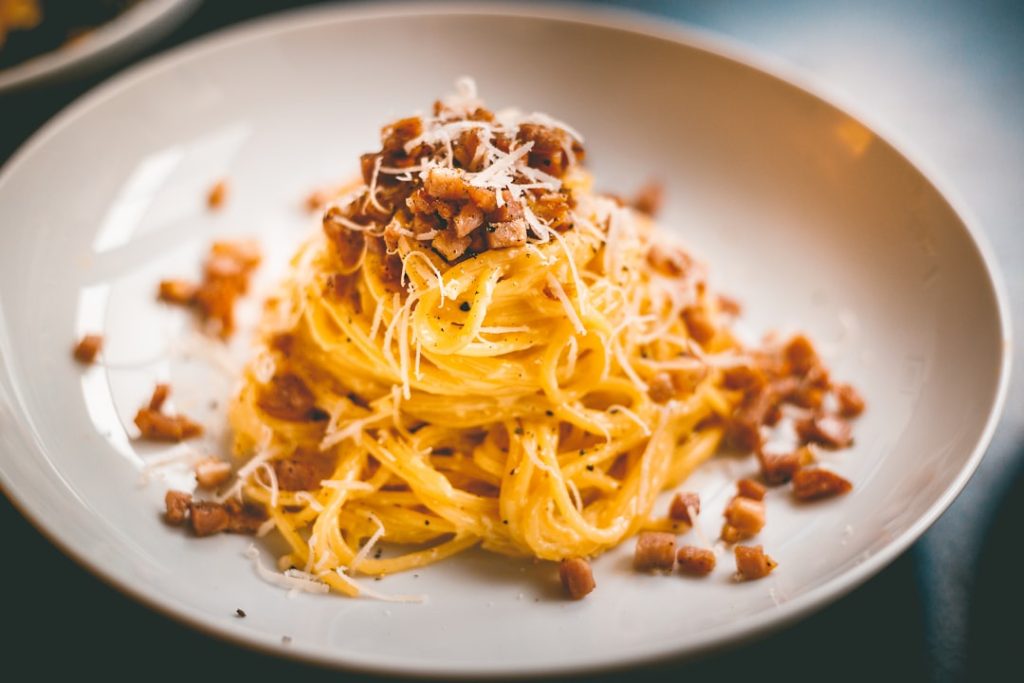
Carbonara is one of the most famous pasta dishes in Roman cuisine — and one of the most misunderstood. This iconic dish from the Lazio region is built on just a handful of ingredients: spaghetti, crispy guanciale (cured pork cheek), eggs, Pecorino Romano cheese, and freshly cracked black pepper. No cream. No garlic. No shortcuts.
The exact origin is debated. One popular theory links it to the carbonai — charcoal workers in the Apennine mountains who needed simple, portable food made from locally available ingredients. Another theory suggests it evolved after American soldiers arrived in Italy during World War II, bringing their eggs and bacon rations, which Italian cooks then reimagined as a pasta dish. Whatever the truth, carbonara’s modern form settled in the 1960s, when guanciale replaced bacon and the velvety egg-and-pecorino sauce became its defining feature.
Ingredients (Serves 4)
| Ingredient | Amount |
|---|---|
| Spaghetti | 400 g |
| Guanciale (or pancetta as substitute) | 200 g |
| Egg yolks | 4 large |
| Whole egg | 1 |
| Pecorino Romano, finely grated | 100 g |
| Black pepper, freshly cracked | 1–2 tsp |
| Pasta cooking water | As needed |
Simple Recipe: Authentic Spaghetti Carbonara
Step 1 — Cook the pasta: Bring a large pot of salted water to a rolling boil. Cook the spaghetti until just al dente — slightly firmer than you’d normally eat it, as it will continue cooking in the sauce. Before draining, save at least 1 cup of the starchy pasta water.
Step 2 — Render the guanciale: While the pasta cooks, cut the guanciale into small strips or cubes and place in a cold pan. Turn the heat to medium and let it render slowly until the fat is released and the meat turns golden and crispy. Remove from heat.
Step 3 — Make the egg mixture: In a bowl, whisk together the egg yolks and the whole egg. Add the grated Pecorino Romano and a generous amount of freshly cracked black pepper. Mix into a thick, smooth paste. This is the heart of carbonara.
Step 4 — Combine (carefully!): This is the most important step. Move the drained spaghetti directly into the pan with the guanciale — off the heat. Quickly add the egg mixture, tossing constantly. Add pasta water, a splash at a time, to loosen the sauce into a silky, creamy consistency. The residual heat cooks the eggs gently — never put the pan back on the flame or you’ll get scrambled eggs.
Step 5 — Serve immediately: Plate right away and finish with extra Pecorino and more cracked black pepper. Carbonara waits for no one — serve it the moment it’s ready for maximum creaminess.
Your Global Kitchen Starts Here
Every dish in this list carries something far beyond flavor — it carries centuries of history, migration stories, family traditions, and cultural identity. From the vinegared rice of Edo-period Japan to the saffron-perfumed pans of Valencia, these recipes are your passport to experiencing the world without leaving your kitchen.
The best part? You don’t need to be a professional chef. Start with one recipe that excites you most, gather your ingredients, and enjoy the process. Which of these five dishes are you going to try first? Drop a comment below and share your experience — we’d love to hear how it goes!
At experience aksarabrita, we’re always exploring new stories through food, travel, and culture. Stay tuned for more culinary adventures from around the globe, and feel free to share this post with a fellow food lover who needs a little kitchen inspiration.
Frequently Asked Questions
What is the easiest traditional dish from this list to make at home?
Spaghetti Carbonara is arguably the easiest — it requires only 4 core ingredients (spaghetti, guanciale, eggs, and Pecorino Romano) and takes about as long as it takes to boil pasta. The key is technique: keeping the pan off the heat when you add the egg mixture to avoid scrambling.
Can I make Tacos Al Pastor without a vertical spit at home?
Absolutely. At home, a very hot cast-iron skillet, grill pan, or outdoor grill works perfectly. The secret is high heat to create charred, caramelized edges on the marinated pork slices. The marinade does most of the flavor work.
Is butter chicken the same as chicken tikka masala?
No, they are different dishes. Butter chicken (murgh makhani) has a tomato-butter-cream base with no onions, producing a silkier and milder sauce. Chicken tikka masala typically includes onions in the sauce, which gives it more body and a slightly more complex, layered flavor.
Do I need a paella pan to make paella?
No special pan is required. A large, wide skillet or even a wide shallow pot works well as a substitute. The most important thing is to use the right type of short-grain rice (such as Bomba or Arborio), not to stir the rice once it’s added to the broth, and to let it form a slight crust at the bottom.
What type of rice should I use for homemade sushi?
Always use short-grain Japanese sushi rice. It must be short-grained, white, and sticky enough to hold its shape when rolled or pressed. Regular long-grain rice will not work — it won’t have the right texture or stickiness to hold sushi rolls together.