
Beyond Sushi and Ramen: The Rich Tapestry of Japanese Cuisine
When most people think of Japanese food, the images of nigiri, tempura, and steaming bowls of ramen pop up first. Yet, the culinary landscape of Japan is far more diverse. From regional specialties that use seasonal ingredients to age-old techniques that bring out subtle umami, there are countless hidden gems waiting to be explored. Understanding these lesser-known aspects can transform a casual meal into an immersive cultural experience.
1. The Art of Tsukemono: Fermented Delights
Fermentation is a cornerstone of Japanese flavor. Tsukemono, or pickled vegetables, are often overlooked, but they play a crucial role in balancing meals. Traditional tsukemono are made by soaking vegetables in brine, rice bran, or vinegar, then aging them for days or months. The result is a crunchy, tangy accompaniment that enhances the umami of rice and grilled dishes.
To recreate tsukemono at home, try these quick recipes:
- Shiso Pickles: Slice fresh shiso leaves, mix with rice vinegar, sugar, and a pinch of salt, then refrigerate for 30 minutes.
- Daikon & Carrot: Cut daikon and carrots into thin strips, combine with a brine of rice vinegar, salt, and sugar, and let sit for 24 hours.
- Seasoned Seaweed: Toss thinly sliced seaweed with soy sauce, mirin, and sesame oil, then let it marinate for 15 minutes.
These simple pickles can be served with rice, added to salads, or used as a topping for grilled fish.
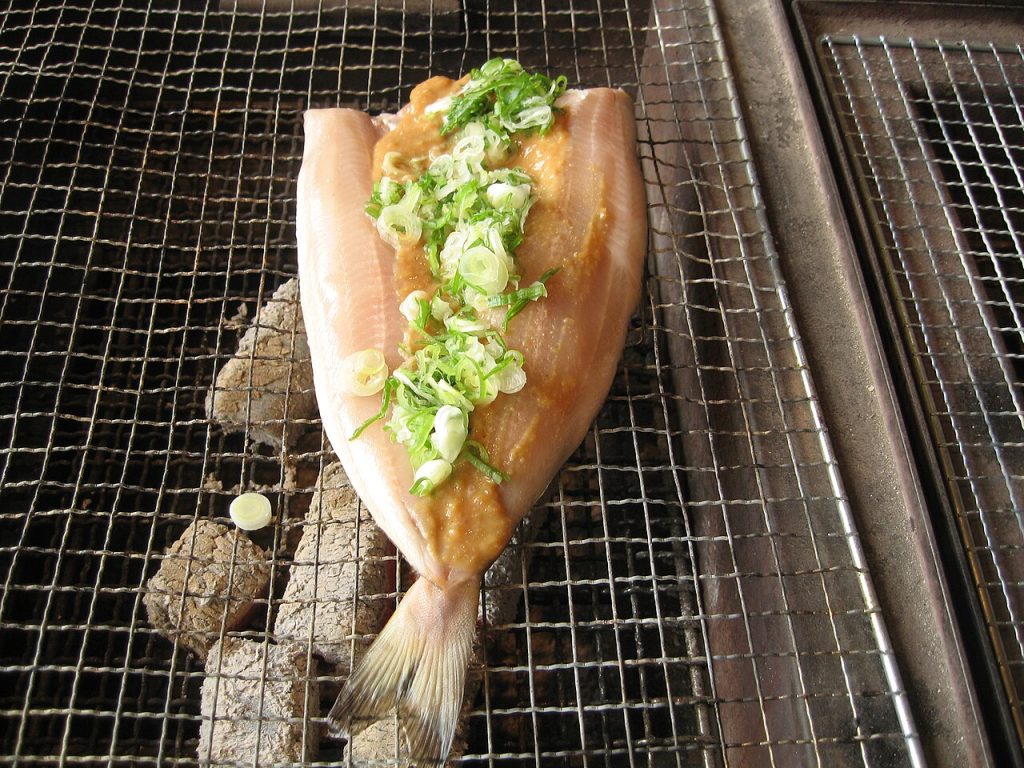
2. The Hidden World of Shioyaki: Salt-Grilled Perfection
While grilled fish is a staple in Japanese homes, the traditional method of shioyaki—salt-grilled fish—offers a depth of flavor that is often missed. The salt acts as a natural binder, keeping the fish moist while imparting a delicate savory taste.
Key tips for mastering shioyaki:
- Use a light hand with salt—about 2 grams per 100 grams of fish.
- Preheat the grill to medium-high heat; a quick sear locks in juices.
- Serve immediately with a squeeze of lemon and a side of grated daikon.
Try this technique with seasonal fish like mackerel or horse mackerel for a truly authentic experience.
3. The Secret Ingredient: Shichimi Togarashi
Shichimi togarashi, or seven-spice chili, is a versatile seasoning that adds warmth and complexity to dishes. Beyond ramen, it can be sprinkled over grilled meats, mixed into rice, or even used as a finishing touch on desserts.
Composition typically includes:
- Red chili flakes
- Sansho pepper
- Ground ginger
- Sesame seeds
- Ground nori (seaweed)
- Fennel seeds
- Ground orange peel
Experiment by adding a pinch to miso soup, or using it as a crust for baked salmon.
4. The Quiet Hero: Miso
Miso, a fermented soybean paste, is more than a soup base. It’s a pantry staple that can deepen the flavor profile of any dish. There are several types—white (shiro), red (aka), and mixed (awase)—each offering a distinct taste.
Practical uses:
- Miso Glaze: Combine miso with mirin, sugar, and sake; brush onto grilled chicken or tofu.
- Flavor Booster: Add a teaspoon of miso to stir-fried vegetables for instant umami.
- Dressings: Mix miso with rice vinegar and sesame oil for a quick dipping sauce.
5. Regional Delicacies You Must Try
Japan’s geography gives rise to distinct culinary traditions. Here are a few regional dishes that offer a taste of local culture:
- Hokkaido’s Crab Curry: A creamy curry featuring fresh crab, sweet potatoes, and a hint of miso.
- Kyoto’s Yudofu: Soft tofu simmered in a simple dashi broth, served with dipping sauces.
- Okinawa’s Goya Champuru: Stir-fried bitter melon with tofu, egg, and pork—an Okinawan staple.
- Nagoya’s Tebasaki: Deep-fried chicken wings coated in a sweet and spicy sauce.
Visiting these regions—or simply researching their recipes—can broaden your understanding of Japan’s culinary diversity.
6. Practical Tips for Authentic Japanese Cooking at Home
- Ingredient Sourcing: Look for high-quality soy sauce, mirin, and sake. Authentic Japanese brands often provide the best flavor.
- Rice Selection: Short-grain Japanese rice (like Koshihikari) is essential for the right texture.
- Cooking Techniques: Master the basics—simmering, steaming, and quick sautéing—to preserve delicate flavors.
- Seasoning Balance: Use soy sauce sparingly; miso and shichimi togarashi can add depth without overpowering.
- Presentation: Japanese cuisine values aesthetics. Arrange food on a simple plate, use contrasting colors, and garnish lightly.
Conclusion: Embrace the Hidden Layers of Japanese Food
Japanese cuisine is a layered experience, where subtle flavors and thoughtful techniques create unforgettable meals. By exploring beyond sushi and ramen—delving into pickles, fermented sauces, regional specialties, and simple cooking principles—you can uncover the true richness of Japanese food. Start experimenting with the secrets above, and let each dish tell a story of tradition, seasonality, and mastery.