
Introduction
When people think of Indonesian food, dishes like nasi goreng, satay, and rendang immediately spring to mind. Yet the archipelago’s culinary landscape is far richer, with countless regional specialties, unique spice combinations, and age‑old traditions that remain hidden from the typical tourist’s palate. This article uncovers those lesser‑known secrets, offering a deeper dive into the flavors, techniques, and stories that define Indonesian cuisine.
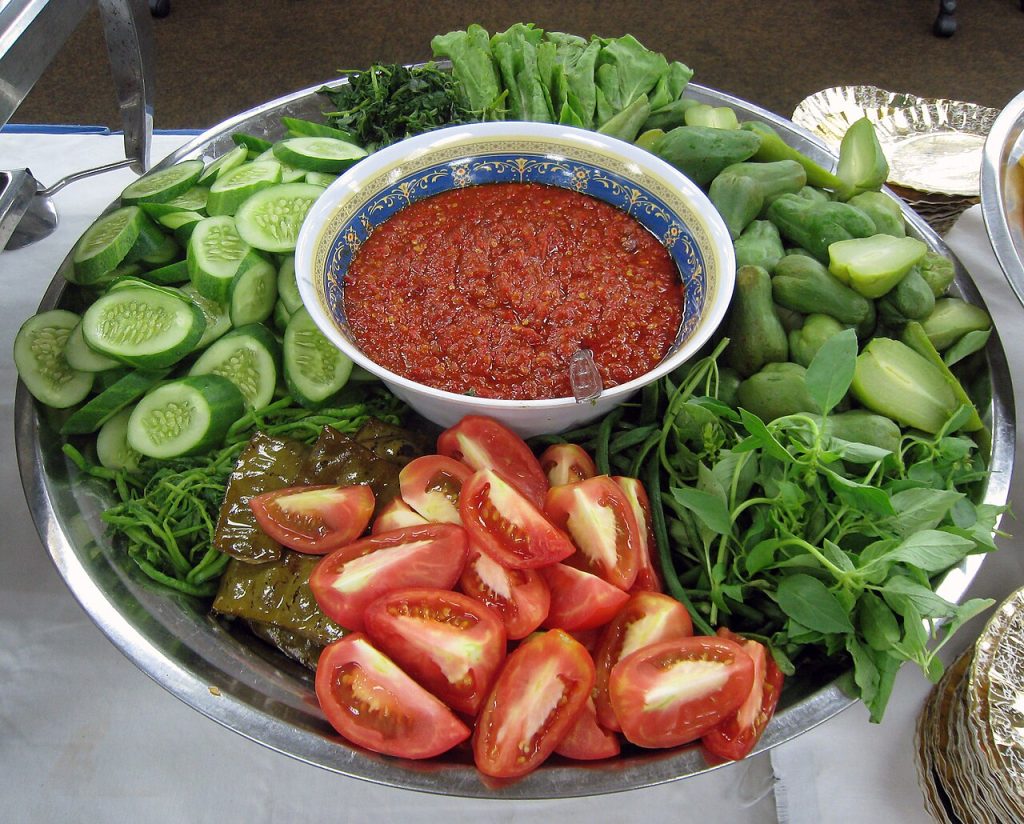
1. Spice Palettes Beyond the Ordinary
Indonesia is renowned for its aromatic spices, but many of the most intriguing blends are regional and rarely found in commercial markets. In the highlands of Sulawesi, for example, chefs combine kencur (a fragrant ginger‑like root), tamarind, and a pinch of galangal to create a tangy, earthy base for stews. Meanwhile, in West Java, the tumpeng rice dish is often seasoned with a subtle blend of clove, cinnamon, and star anise, giving the rice a warm, fragrant profile that’s almost dessert‑like.
- Key ingredient: Kencur – adds a citrusy depth that’s missing in most commercial spice mixes.
- Cooking tip: Toast spices lightly before grinding to unlock their full aroma.
- Where to find it: Visit a local spice market in Bandung or Makassar for fresh, hand‑ground blends.
2. Regional Delicacies You Should Try
Batak Tofu (Tahu Batak)
From North Sumatra’s Batak community, Tahu Batak is a smoked tofu dish marinated in a sauce of kencur, lime, and fermented fish. The result is a smoky, umami‑rich bite that pairs beautifully with rice or ketupat (rice cakes).
Balinese Babi Guling (Roasted Pork)
Beyond the popular version served at temples, the village variant in Ubud uses a rub of lemongrass, galangal, and a secret blend of local herbs. The pork is slow‑roasted over charcoal, resulting in tender, crispy skin that’s a festival favorite.
Toraja’s Nasi Puyuh (Crowing Chicken Rice)
In South Sulawesi’s Toraja region, a humble chicken is marinated in a mixture of coconut milk, shallots, and a touch of sweet soy sauce, then baked in a clay pot. The dish is served with a side of kacang hijau (mung beans) and a spicy telur balado (spicy egg).
3. Street Food Beyond Nasi Goreng
While nasi goreng is a staple, many street stalls offer lesser‑known delights. In Jakarta’s Old Town, gado‑gado is a hearty peanut‑sauce salad with boiled eggs, tofu, and fresh vegetables, served in a paper cone. In Yogyakarta, klepon – sweet glutinous rice balls stuffed with palm sugar – are a chewy treat that melts in your mouth.
- Tip: Look for stalls that refill their sauces – a sign of freshness.
- Best time: Early evening, when the crowds are smaller and the flavors are freshest.
4. Culinary Traditions Passed Down Through Generations
Many Indonesian families preserve cooking techniques that have survived for centuries. In Bali, the lawak lawak ritual involves cooking fish in coconut milk, wrapped in banana leaves, and slowly simmered over coals. This method not only tenderizes the fish but also infuses it with a subtle, earthy aroma.
In Java, the tradition of tangkap – a communal potluck where each family brings a dish – showcases the diversity of regional flavors. The event is as much about community as it is about cuisine, allowing travelers to taste dishes that would otherwise remain hidden.
5. Practical Tips for Travelers
To truly experience Indonesian cuisine, consider the following:
- Use local guides: A local chef or food guide can introduce you to hidden eateries and explain the nuances of each dish.
- Learn basic phrases: Knowing words like “sambal” (spice mix) or “makan” (to eat) can help you navigate menus and negotiate prices.
- Respect food etiquette: In many regions, it is customary to ask for a small portion of each dish before sampling more; this shows respect for the cook’s effort.
- Carry a small bottle of water: Spicy foods are common, and staying hydrated enhances the tasting experience.
- Explore night markets: These markets often feature the freshest street foods and local specialties not found during the day.
Conclusion
Indonesia’s culinary map is vast, with layers of flavor and tradition waiting to be discovered. By stepping beyond the well‑trodden dishes and embracing regional specialties, secret spice blends, and communal cooking rituals, travelers can gain a richer, more authentic understanding of this island nation’s food culture. The next time you plan a culinary adventure, let your curiosity guide you to the hidden gems that make Indonesian cuisine truly unforgettable.