
Introduction
Street food is more than just a quick bite; it’s a cultural experience that lets you taste the soul of a city in a single bite. From sizzling tacos in Mexico City to aromatic satay in Bangkok, street vendors craft dishes that are both affordable and unforgettable. Whether you’re a seasoned traveler or a local curious about new flavors, this guide will help you navigate the bustling stalls, choose wisely, and savor every moment.
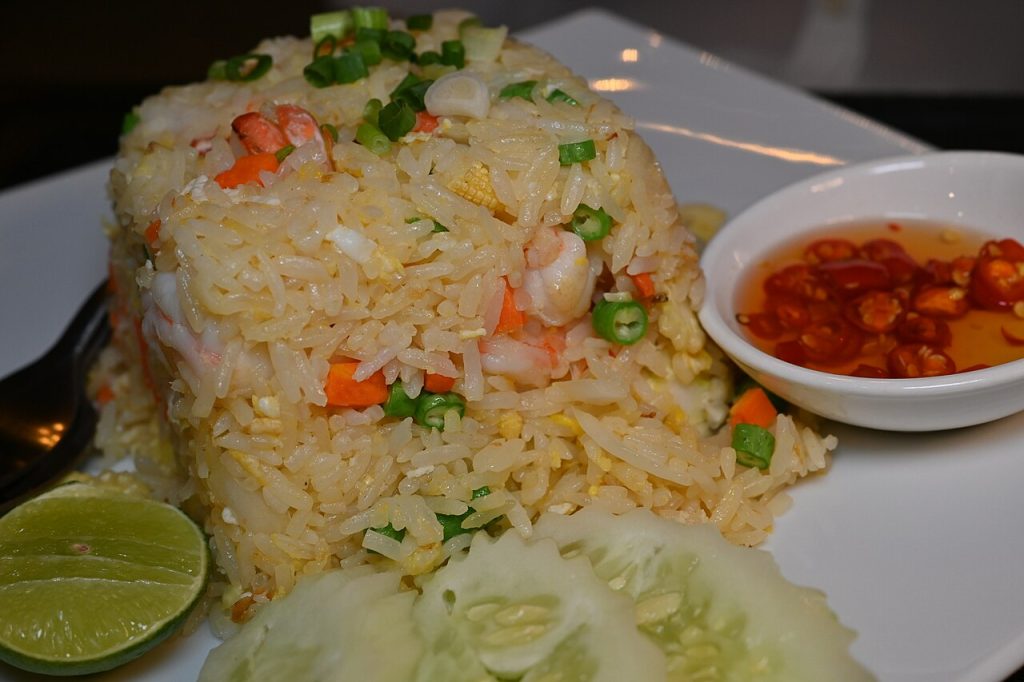
Why Street Food? The Allure of the Open-Air Kitchen
Street food offers a unique blend of convenience, affordability, and authenticity. Vendors often use fresh, local ingredients, and their cooking techniques have been refined over generations. The immediacy of watching a dish being prepared—from grilling to plating—adds a sensory dimension that restaurant dining can’t match. For beginners, street food is a low‑risk, high‑reward way to explore culinary diversity without committing to a full menu.
Getting Started: Where to Find Street Food
- Night Markets: Most cities host evening bazaars where vendors line up to serve everything from noodles to grilled desserts.
- Food Trucks: These mobile kitchens often cluster in popular tourist spots, offering a mix of local and fusion dishes.
- Local Markets: Farmers’ markets or wholesale markets can double as food hubs, especially in places like Chiang Mai or Oaxaca.
- Neighborhood Streets: Explore the side streets of historic districts; they’re treasure troves for authentic, inexpensive meals.
Common Street Food Staples Around the World
Mexico: Tacos and Elote
Soft corn tortillas stuffed with marinated meats, topped with fresh cilantro, lime, and a sprinkle of chili flakes. Elote, or grilled corn, is slathered in mayo, cheese, and chili powder.
Thailand: Pad Thai and Mango Sticky Rice
Stir‑fried rice noodles with tamarind, peanuts, and a choice of shrimp or tofu, served with lime wedges. Mango sticky rice offers a sweet finish with coconut milk and ripe mango slices.
India: Vada Pav and Chaat
Vada Pav is a spicy potato fritter sandwiched in a buttered bun, often served with tamarind and green chutneys. Chaat is a crunchy mix of fried dough, chickpeas, yogurt, and tamarind sauce.
Italy: Arancini and Gelato
Arancini are golden, fried risotto balls stuffed with mozzarella or ragù. Gelato stalls line up in Rome’s cobblestone streets, offering creamy, high‑quality ice cream in classic flavors.
United States: Food Trucks and Hot Dogs
From gourmet burgers to creative tacos, food trucks in cities like Los Angeles or New York showcase local twists on classic American fare.
Tips for Safe and Delicious Street Food
- Observe the Vendor: A busy stall with a high turnover of food generally indicates freshness.
- Check Hygiene Practices: Look for vendors who wear gloves, use clean utensils, and keep food covered.
- Know Your Ingredients: Ask about preparation methods if you have dietary restrictions or allergies.
- Stay Hydrated: Carry a refillable water bottle, especially when sampling spicy or salty dishes.
- Use a Clean Plate: Some vendors provide disposable plates; opt for reusable ones if available to reduce waste.
Practical Tips for Beginners
- Start Small: Try a single dish to gauge how the food feels in your stomach.
- Ask Questions: Don’t hesitate to ask the vendor about ingredients or cooking techniques.
- Respect Local Etiquette: Learn basic greetings or thank‑you phrases in the local language.
- Carry Cash: Many stalls accept only cash; keep small bills handy.
- Explore Beyond the Tourist Spots: Authentic flavors often live in quieter neighborhoods.
- Take Your Time: Savor the aroma, watch the cooking process, and enjoy the communal atmosphere.
Conclusion
Street food is an accessible gateway to global cuisines, offering a taste of local life in a bite‑size format. By choosing reputable vendors, staying mindful of hygiene, and approaching the experience with curiosity, beginners can confidently explore the world’s most exciting flavors. So next time you’re in a bustling city, step off the sidewalk, follow the aromas, and let the streets become your culinary classroom.