Introduction
Japanese food is celebrated worldwide for its balance of flavor, texture, and presentation. Whether you’re a curious beginner or a seasoned foodie, this guide will give you the tools to understand, appreciate, and enjoy Japanese cuisine with confidence.
Core Ingredients That Define Japanese Flavor
- Rice – The foundation of almost every meal. Short‑grained sushi rice, sticky on the inside and firm on the outside, is prized for its ability to hold together.
- Seaweed (Nori, Kombu) – Adds umami and texture. Nori wraps sushi, while kombu is the base for dashi, the essential broth.
- Soy Sauce & Miso – Key condiments. Soy sauce provides depth, while miso offers earthy, fermented flavor.
- Wasabi & Pickled Ginger – Complement sushi and sashimi, adding heat and cleansing the palate.
- Fresh Fish & Seafood – Japan’s coastline supplies a wide variety of sushi‑grade fish, from tuna to octopus.
- Vegetables – Daikon radish, shiso leaves, and seasonal greens bring freshness.
Classic Dishes Every Beginner Should Try
Sushi & Sashimi
These iconic dishes showcase Japan’s mastery of simplicity. Sushi is vinegared rice topped or rolled with fish, while sashimi is thinly sliced raw fish served with soy sauce and wasabi.
Ramen
Ramen is more than noodles; it’s a broth‑centric experience. Common varieties include shoyu (soy sauce), miso, shio (salt), and tonkotsu (pork bone). Toppings often feature chashu pork, soft‑boiled egg, bamboo shoots, and green onions.
Tempura
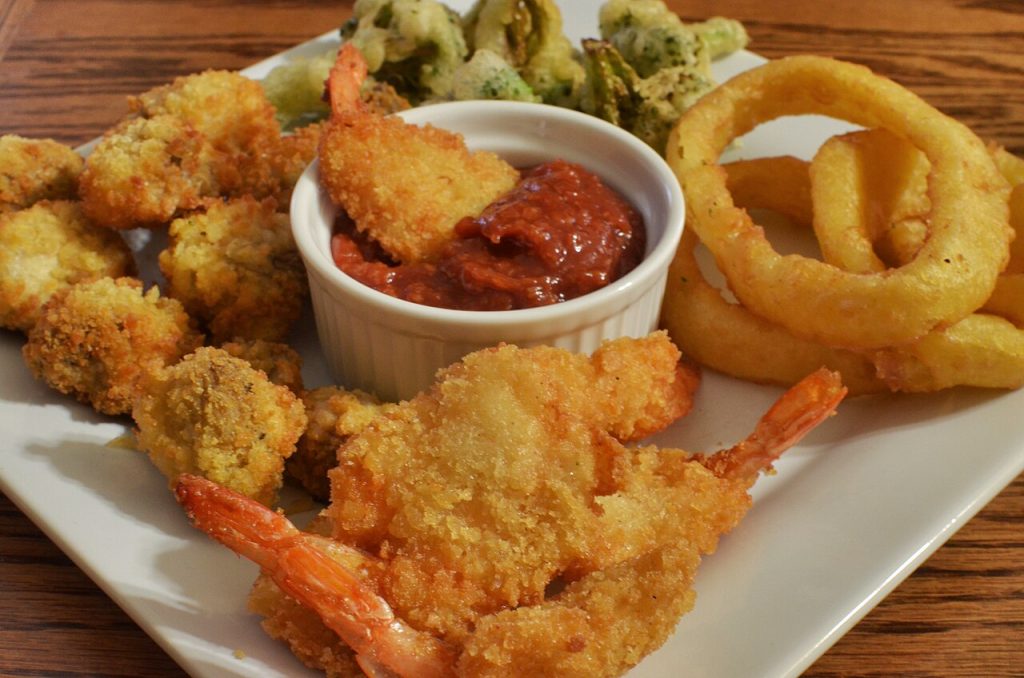
Lightly battered and fried seafood or vegetables, tempura delivers a crisp exterior while keeping the inside tender. It’s usually served with a dipping sauce made of soy sauce, mirin, and grated daikon.
Udon & Soba
Udon are thick wheat noodles ideal for hot broth or cold dipping sauces. Soba, made from buckwheat, is lighter and often served chilled with a soy‑based dipping sauce.
Modern Twists and Fusion Variations
Japanese cuisine is evolving, blending tradition with global flavors. Popular fusion trends include:
- California Roll – avocado and crab meat wrapped in rice and nori.
- Japanese‑style tacos – soft tortillas filled with teriyaki chicken and kimchi.
- Matcha desserts – from cakes to ice cream, using powdered green tea for a subtle bitterness.
How to Eat Out in Japan (or Find Authentic Food Abroad)
- Look for oto‑yoku (small plates) – they’re perfect for sampling multiple dishes.
- Ask for tsukudani (seasoned fish) or nabe (hot pot) when you’re in a ryokan.
- Use the kappou (menu card) at izakayas to discover local specialties.
- When ordering ramen, decide on the broth type and noodle thickness; then choose toppings that complement your taste.
Practical Tips for Beginners
- Start with sushi basics: Use a bamboo mat to roll simple maki rolls; experiment with cucumber, avocado, and crab.
- Buy quality rice: Rinse until water runs clear; cook with a 1:1.2 rice‑to‑water ratio for perfect stickiness.
- Learn the etiquette: Never pour soy sauce into a bowl of sashimi—dip the fish instead. Respect the chef’s presentation.
- Explore seasonal ingredients: Japan’s food calendar changes every month; try dishes featuring local produce.
- Use online resources: Video tutorials on YouTube can guide you through complex techniques like making fresh miso or tempura batter.
Conclusion
Japanese cuisine invites exploration through its emphasis on balance, seasonality, and meticulous preparation. With the core ingredients, classic dishes, and practical tips outlined here, beginners can confidently step into this culinary world and discover the depth behind each bite.