
Introduction
Indonesia’s culinary scene is as diverse as its islands, offering a tapestry of flavors that range from sweet and spicy to savory and aromatic. Whether you’re a food enthusiast or a curious traveler, this guide will give you a clear roadmap to understanding and enjoying Indonesian food for the first time.
1. What Makes Indonesian Cuisine Unique?
Indonesian cooking is built on three pillars: fresh ingredients, bold spices, and a love for communal dining. The archipelago’s tropical climate provides an abundance of fruits, vegetables, and seafood, while centuries of trade introduced spices like nutmeg, clove, and pepper. Traditional cooking methods—such as grilling, stewing, and steaming—help preserve the natural flavors of each ingredient.
Here are the key elements that define Indonesian dishes:
- Spice blends (bumbu): Complex mixtures of garlic, shallots, ginger, turmeric, and chili are ground into pastes that form the base of most curries.
- Balancing flavors: Sweetness from palm sugar or coconut milk, acidity from tamarind or lime, and umami from fish sauce or soy sauce create harmony.
- Rice as the staple: Every meal is served with rice—plain, fried, or infused with spices.
2. Regional Diversity: A Taste of Each Island
Indonesia’s 17,000 islands mean each region has its own culinary identity. Below are three iconic styles:
Jakarta & Central Java
- Nasi Goreng: Sweet fried rice with kecap manis, shrimp, and a fried egg.
- Bakso: Meatball soup served with noodles, tofu, and boiled eggs.
Sumatra
- Rendang: Slow‑cooked beef in coconut milk and spice paste, famous for its deep, nutty flavor.
- Ayam Pop: Marinated chicken fried to a golden crisp.
Bali
- Babi Guling: Roast suckling pig seasoned with lemongrass, garlic, and turmeric.
- Lawar: A mixed salad of vegetables, grated coconut, and minced meat.
3. Must‑Try Dishes and How to Identify Them
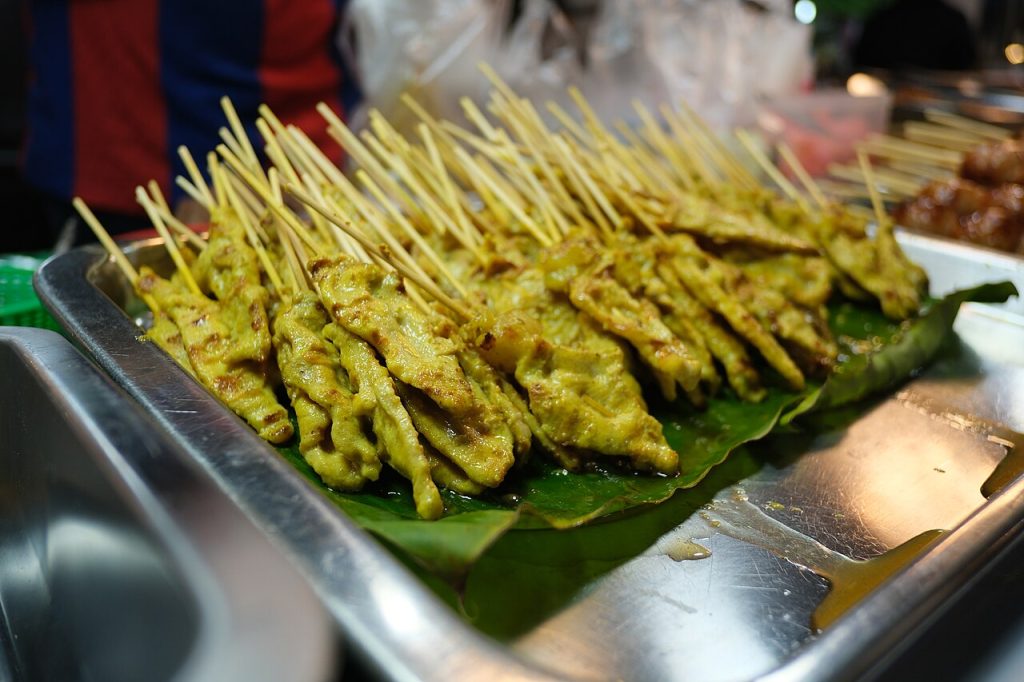
Below are five dishes that capture the essence of Indonesian cuisine. Try to spot these in restaurants or street stalls:
- Nasi Uduk: Coconut‑flavored rice served with fried tempeh, anchovies, and boiled egg.
- Sate Ayam: Skewered chicken grilled with peanut sauce.
- Gado‑Gado: Mixed greens tossed in peanut sauce.
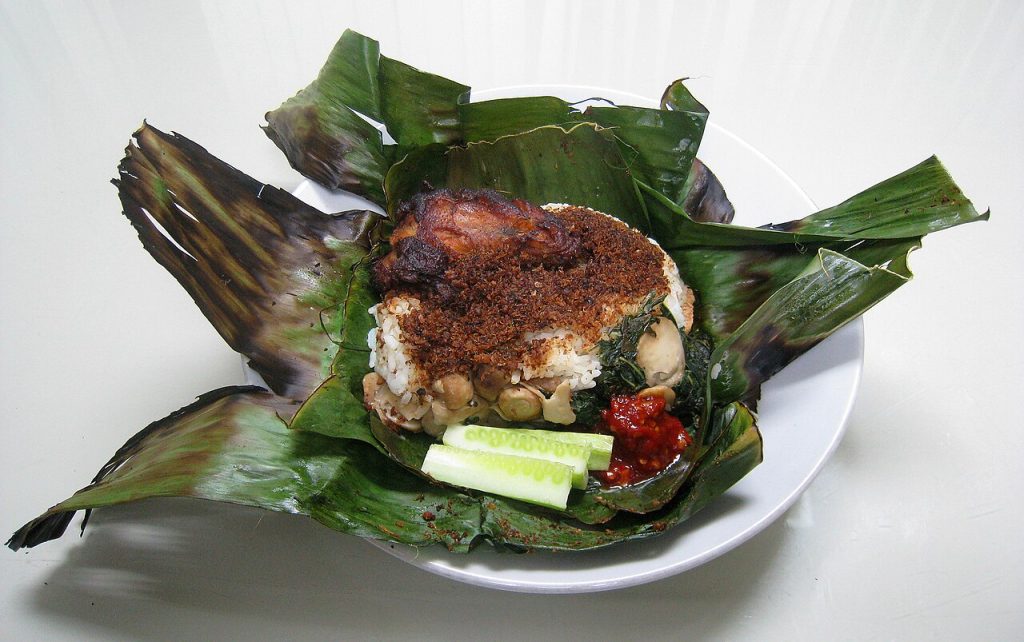
- Ayam Betutu: Chicken stuffed with spice paste, wrapped in banana leaves, and baked.
- Tempeh Mendoan: Lightly battered tempeh fried until crisp.
4. Key Ingredients and Where to Find Them
Having the right ingredients makes cooking Indonesian dishes at home easier. Here’s a quick shopping list:
- Fresh herbs: lemongrass, kaffir lime leaves, galangal.
- Spice paste (bumbu): ground garlic, shallots, chilies, ginger, turmeric.
- Condiments: kecap manis, fish sauce, soy sauce.
- Staples: rice, coconut milk, palm sugar.
- Proteins: chicken, beef, fish, tempeh, tofu.
- Vegetables: spinach, bean sprouts, carrots, cabbage.
5. How to Cook Indonesian Food at Home
Cooking Indonesian dishes is surprisingly approachable. Follow these steps for a reliable start:
- Make a spice paste: Blend equal parts garlic, shallots, and chilies with a pinch of salt. Add ginger and turmeric for extra depth.
- Sauté the paste: Heat oil in a pan and fry the paste until fragrant. This releases the essential oils and builds flavor.
- Add protein: Cook your chosen protein (chicken, beef, or tempeh) until it’s browned.
- Incorporate liquids: Pour in coconut milk or water, add fish sauce, and bring to a gentle simmer.
- Finish with balance: Taste and adjust with palm sugar (sweetness), lime juice (acidity), or more fish sauce (umami).
Pair your dish with steamed rice or a fresh salad for a complete meal.
6. Practical Tips for Beginners
- Use pre‑made spice pastes: Many grocery stores sell ready‑made bumbu, which saves time.
- Start simple: Try nasi goreng or sate ayam before moving to complex curries.
- Keep a spice rack: Stock basic spices like cumin, coriander, and cinnamon to create your own blends.
- Explore local markets: Fresh herbs and produce are best bought at markets for authentic flavor.
- Adjust heat levels: Indonesian dishes can be spicy; reduce chilies for a milder version.
Conclusion
Indonesian food offers a delicious journey through tropical flavors, aromatic spices, and vibrant textures. By understanding the core ingredients, exploring regional specialties, and practicing a few foundational dishes, beginners can confidently dive into this rich culinary tradition. Whether you’re dining out, ordering take‑away, or cooking at home, the next time you see a dish labeled “Indonesian,” you’ll know exactly what to expect—and how to enjoy it to the fullest.