
Introduction
Thai food is celebrated worldwide for its harmonious blend of sweet, sour, salty, and spicy notes. Whether you’re a seasoned foodie or just beginning to explore global flavors, Thai cuisine offers a delicious and nutritious way to elevate any meal. In this guide, we’ll uncover the health benefits of key ingredients, showcase iconic dishes, and give you practical tips to recreate Thai flavors at home.
Health Benefits of Thai Ingredients
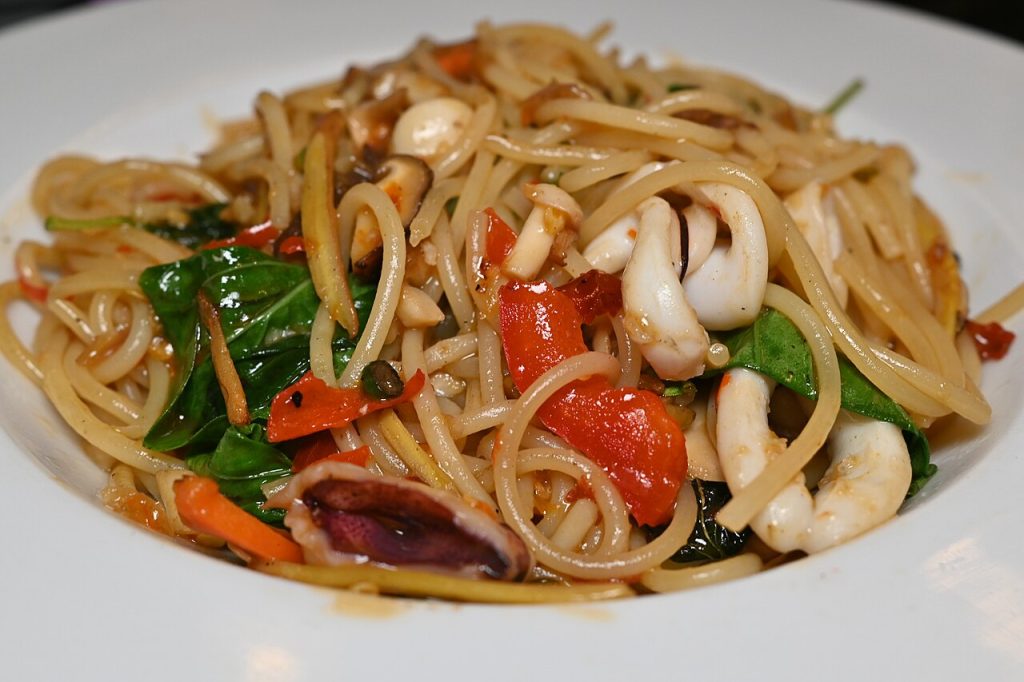
Many staples in Thai cooking double as superfoods, providing both flavor and nourishment. Below are the primary ingredients that contribute to Thai dishes’ reputation as a healthful choice.
- Fresh Herbs and Spices – Basil, lemongrass, galangal, and kaffir lime leaves are rich in antioxidants and help boost digestion.
- Protein-Rich Seafood and Lean Meats – Shrimp, fish, and chicken are low in saturated fat, high in omega‑3s, and provide essential amino acids.
- Vegetable Base – Stir‑fried greens, bamboo shoots, and mushrooms deliver fiber, vitamins, and minerals while keeping calories low.
- Healthy Fats – Coconut milk offers medium‑chain triglycerides, which support metabolism, and is a source of lauric acid with antimicrobial properties.
- Legumes and Tofu – Provide plant‑based protein and iron, making Thai dishes accessible for vegetarians and vegans.
Combined, these ingredients create meals that are flavorful, low in refined carbs, and high in nutrients—ideal for maintaining energy throughout the day.
The Signature Flavor Profile
What sets Thai cuisine apart is its meticulous balance. Chefs master the art of layering flavors, creating a dynamic taste that can be subtly sweet or boldly spicy. The core taste categories are:
- Sour – Achieved with lime juice, tamarind, or fermented fish sauce.
- Sweet – Often from palm sugar or coconut milk.
- Salty – Derived from fish sauce or shrimp paste.
- Spicy – Fresh chilies and chili paste add heat.
- <strongUmami – A depth of flavor from fermented fish sauce, mushrooms, and roasted peanuts.
Mastering the balance of these five elements is the secret behind dishes that are simultaneously comforting and invigorating.
Iconic Thai Dishes to Try
Below are three classic Thai dishes that exemplify the cuisine’s bold flavors and health benefits. Each recipe can be adapted to suit dietary preferences.
1. Tom Yum Goong (Spicy Shrimp Soup)
This aromatic broth combines lemongrass, galangal, kaffir lime leaves, and fresh chilies with succulent shrimp. A splash of lime juice and a spoonful of fish sauce give it that unmistakable Thai kick.
2. Pad Thai (Stir‑Fried Noodles)
Pad Thai balances sweet tamarind sauce with savory soy and fresh lime. Add tofu or chicken for protein, and top with crushed peanuts for crunch. It’s a crowd‑pleaser that’s easy to prepare in minutes.
3. Green Curry with Chicken
Made from green chili paste, coconut milk, and a medley of vegetables, this curry showcases the creamy texture and fragrant herbs typical of Thai kitchens. Serve over jasmine rice for a satisfying meal.
Practical Tips for Cooking Thai at Home
Recreating authentic Thai flavors requires the right tools and techniques. Follow these guidelines to elevate your home cooking.
- Use a Mortar and Pestle – Grinding fresh chilies, lemongrass, and garlic releases essential oils that canned or pre‑made pastes can’t match.
- Keep a Fresh Herb Station – Store basil, cilantro, and mint in a glass of water to keep them crisp and extend their shelf life.
- Balance Heat and Sweetness – Start with a small amount of chili, then taste and adjust. Sweetness from palm sugar or coconut milk should complement, not overpower.
- Cook Fish Sauce Separately – Adding fish sauce early can cause it to evaporate. Stir it in toward the end of cooking to preserve its umami flavor.
- Serve Immediately – Thai dishes are best enjoyed fresh. The aromatic herbs lose potency quickly, so plate right before eating.
With these techniques, you can confidently experiment with new recipes and even create your own Thai-inspired twists.
Conclusion
Thai cuisine offers a perfect blend of healthful ingredients, complex flavors, and accessible cooking techniques. By understanding the core taste balance, selecting fresh staples, and applying simple cooking tips, you can bring the essence of Thailand into your kitchen. Whether you’re preparing a quick weekday dinner or hosting a themed dinner party, Thai food delivers both nourishment and excitement. Happy cooking!