
When we think of traditional food, we often picture elaborate feasts or recipes that require a pantry full of exotic spices. In reality, the heart of tradition lies in the stories, the simplicity, and the techniques that have been passed down through generations. Below, we’ll break down how you can bring those authentic flavors into your everyday cooking without a trip to a specialty market or a culinary degree.
Sourcing Authentic Ingredients
Authentic flavor starts with the right ingredients. Instead of buying pre‑made sauces or canned goods, look for the following:
- Fresh herbs: Hand‑pick basil, cilantro, or mint from the garden or a local farmer’s market. If you can’t grow them, choose the freshest store‑bought options and use them within 48 hours.
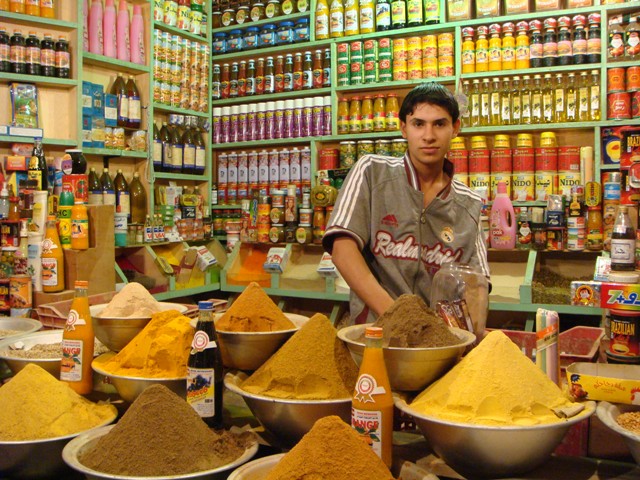
- Whole spices: Whole cumin, coriander seeds, and peppercorns give a deeper aroma than pre‑ground spices. Toast them lightly in a dry pan before grinding to unlock their oils.
- Local staples: Use regional staples—rice in Asia, millet in West Africa, or corn in Latin America—so the dish feels rooted in its origin.
- Quality proteins: Opt for fresh, responsibly sourced meat or fish. If you’re vegetarian, choose locally produced beans or legumes for authenticity.
Tip: Keep a small spice jar in your pantry and refill it regularly. A well‑maintained spice collection is the backbone of any traditional recipe.
Mastering Traditional Techniques
Many traditional dishes rely on techniques that are simple but time‑honored. Here are three you can incorporate immediately:
- Low‑and‑slow simmer: Whether you’re braising beef or stewing lentils, cooking on low heat for a longer time breaks down fibers and brings out rich flavors that quick methods can’t match.
- Stir‑fry at high heat: The key to a crisp stir‑fry is a hot wok and quick, constant movement. This technique locks in moisture while giving a caramelized finish.
- Smoking and drying: Small amounts of smoke, from a handful of wood chips, can add depth to soups and stews. For dried ingredients, lightly toast them in a pan until fragrant.
Practice these methods on simple dishes—like a quick tomato soup or a basic sautéed greens—before moving on to more complex recipes.
Plating and Presentation
Traditional meals were often served family‑style, but presentation still matters. Use these quick hacks to elevate the look of any dish:
- Use natural colors: Arrange greens, reds, and yellows on the plate to create a visual story that mirrors the dish’s origins.
- Serve in shared bowls: A large communal bowl or platter encourages sharing and adds a sense of occasion.
- Garnish thoughtfully: A sprinkle of toasted sesame seeds, a drizzle of olive oil, or a wedge of lemon can finish the dish beautifully.
Remember, a plate is a canvas. Even a simple bowl of soup can feel like a gourmet experience with the right colors and textures.
Preserving and Storing Leftovers
One of the greatest traditions in many cultures is the use of leftovers. Here’s how to keep your dishes safe and tasty:
- Cool quickly: Spread leftovers thinly on a tray so they cool within 2 hours. Then refrigerate or freeze.
- Label and date: Write the cooking date on a small sticker or piece of tape. This helps you track freshness.
- Reheat properly: Use a low heat setting or a microwave on medium power to avoid drying out the food.
- Repurpose creatively: Turn stale rice into fried rice, or use leftover stews as a base for soups and curries.
These habits not only save money but also reduce food waste—an essential part of many culinary traditions.
Conclusion
Authentic cooking doesn’t require exotic ingredients or a professional kitchen. By sourcing quality staples, practicing proven techniques, and respecting the art of presentation, you can bring the spirit of traditional cuisine into your home. Try these tips today and taste the difference that genuine, thoughtful cooking can make.