Why Thai Food Should Be in Your Kitchen
Thai cuisine is celebrated for its vibrant colors, aromatic herbs, and harmonious blend of sweet, sour, salty, and spicy flavors. Whether you’re a seasoned home cook or just starting out, mastering a few key techniques can transform ordinary meals into memorable experiences.
1. Fresh is the Key to Flavor
Unlike processed sauces, Thai dishes rely heavily on fresh aromatics. A few simple habits can help you keep your pantry stocked with the freshest ingredients:
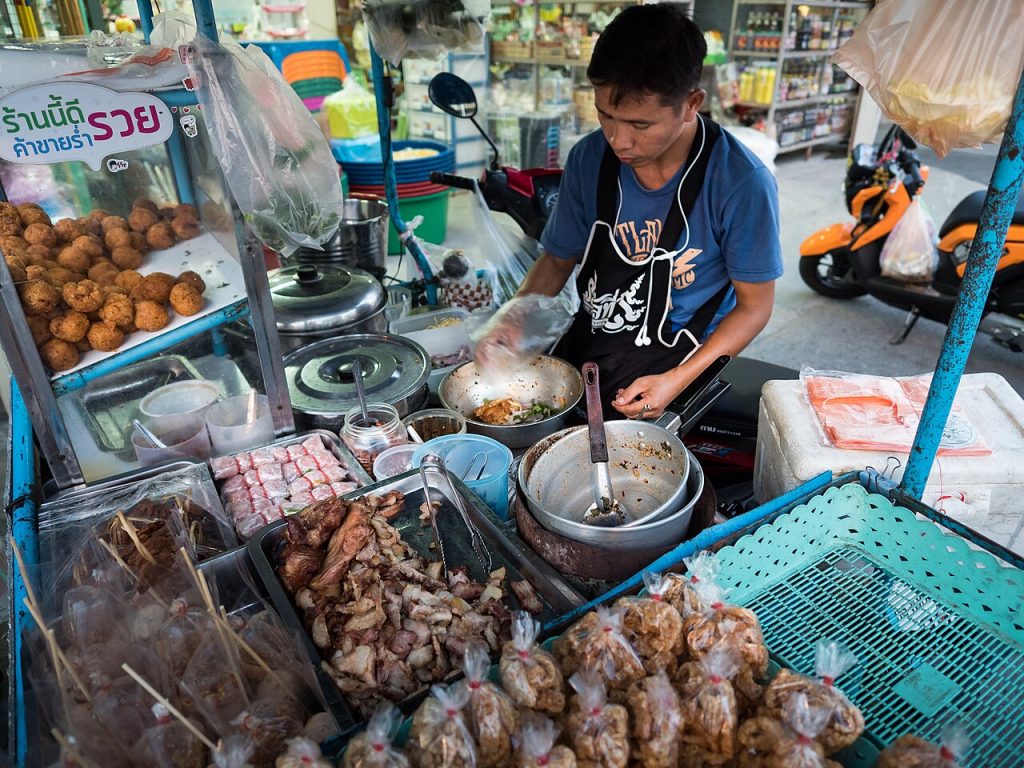
- Shop local markets early. Arriving before 8 a.m. ensures you’ll find the freshest fish, herbs, and produce.
- Choose bright, crisp vegetables. Green beans, bell peppers, and cucumbers should feel firm and have a vibrant color.
- Use citrus at the last minute. Lime or calamansi juice should be squeezed right before serving to preserve its sharpness.
- Store herbs properly. Wrap basil in a damp paper towel and place in a sealed bag; keep chilies in a dry container to prevent mold.
2. Master the Five Essentials
Every Thai recipe relies on five core ingredients: fish sauce, lime juice, palm sugar, chilies, and fresh herbs. Understanding their roles allows you to adjust recipes to taste.
- Fish sauce (Nuoc Mam). It adds umami and saltiness. Replace with soy sauce or tamari for a vegetarian version, but taste first.
- Lime juice. Provides acidity; add gradually to avoid overpowering.
- Palm sugar. Its subtle caramel note balances heat and acidity. If unavailable, brown sugar works as a quick substitute.
- Chilies. Fresh Thai chilies are the standard. For less heat, use red bell pepper or a pinch of paprika.
- Herbs. Thai basil, cilantro, and mint bring freshness. Experiment with kaffir lime leaves for a citrusy aroma.
3. The Power of the Thai Stir‑Fry
The stir‑fry is a staple because it’s fast, versatile, and preserves textures. Here’s how to get it right:
- Prep everything before heating. The wok will be hot, so have all ingredients sliced and measured.
- Use high heat. A well‑heated wok sears ingredients quickly, locking in flavor.
- Cook in stages. Start with aromatics, add proteins, then vegetables. Finish with sauces and herbs.
- Don’t overcrowd the pan. Cook in batches to keep the wok from steaming.
4. Balancing Flavors Without a Scale
Thai cooking is all about balance. Here’s a practical method to adjust seasonings on the fly:
- Add fish sauce. 1 tablespoon per serving usually suffices.
- Acidify. 1 teaspoon of lime juice can brighten the dish.
- Sugar it. ½ teaspoon palm sugar balances heat.
- Heat it. Adjust chili quantity to taste.
- Finish with herbs. Stir in basil or cilantro just before serving.
After each adjustment, taste before adding more. This iterative process guarantees a well‑rounded dish.
5. Quick Homemade Thai Sauces
Many Thai dishes use sauces that can be made in minutes, saving time and reducing grocery trips.
- Thai Chili Sauce (Sriracha). Blend red chilies, garlic, lime juice, sugar, and salt. Blend until smooth, then refrigerate.
- Peanut Sauce. Mix peanut butter, coconut milk, fish sauce, lime juice, and a dash of sugar. Warm gently until creamy.
- Tom Yum Paste. Combine lemongrass, galangal, kaffir lime zest, chilies, and shallots in a food processor. Store in a jar for future soups.
6. Cooking Rice Like a Pro
Rice is the foundation of Thai meals. A few tricks ensure fluffy, flavorful grains:
- Rinse until water runs clear. This removes excess starch.
- Use a ratio of 1:1.5 (rice to water). Adjust slightly for your rice type.
- Let it steam. After boiling, cover and let it sit for 10 minutes. Fluff with a fork before serving.
7. Putting It All Together: A Simple Weeknight Meal
Here’s a quick recipe that incorporates the above tips. It’s ready in 20 minutes and serves four.
Red Curry with Chicken and Broccoli
- 1 tablespoon vegetable oil
- 2 tablespoons red curry paste
- 1 cup coconut milk
- 1 cup chicken broth
- 400g chicken breast, sliced
- 1 head broccoli, cut into florets
- 1 red bell pepper, sliced
- 2 tablespoons fish sauce
- 1 tablespoon palm sugar
- Juice of 1 lime
- Fresh basil, chopped
- Cooked jasmine rice, to serve
Instructions:
- Heat oil in a large pan over medium‑high heat.
- Add curry paste and stir until fragrant (~30 seconds).
- Add coconut milk and broth; bring to a simmer.
- Introduce chicken; cook 5 minutes.
- Add broccoli and bell pepper; cook until vegetables are tender but still crisp.
- Stir in fish sauce, sugar, and lime juice. Adjust seasoning to taste.
- Finish with basil, then serve over jasmine rice.
Conclusion: Your Thai Kitchen Awaits
With these practical tips—fresh ingredients, mastering the five essentials, and balancing flavors—you can confidently recreate classic Thai dishes at home. Start with simple recipes, experiment with herbs and sauces, and soon you’ll be sharing your own Thai masterpieces with friends and family.