
Intro
Thai food is celebrated for its vibrant flavors and fresh ingredients, yet many home cooks feel overwhelmed by the variety of spices and techniques. The good news is that you don’t need a Michelin‑star kitchen to recreate authentic Thai dishes. This guide distills the most useful tips and tricks so you can start cooking Thai cuisine right away.
Understanding Thai Flavor Balance
Key Ingredients
Thai cooking hinges on four taste pillars: sweet, sour, salty, and spicy. The traditional “sweet” comes from palm sugar or coconut sugar, “sour” from lime juice or tamarind, “salty” from fish sauce or soy sauce, and “spicy” from fresh chilies or chili paste. Mastering this balance is more important than mastering any single spice.
Common Mistakes
- Overusing fish sauce – it can overpower delicate flavors. Start with a teaspoon and adjust.
- Skipping fresh chilies – dried chilies lack the bright heat that fresh ones provide.
- Not tasting while cooking – flavor profiles shift quickly; small adjustments can save a dish.
Essential Tools & Spices
Must‑Have Utensils
- Wok or large skillet – high heat and quick stir‑frying are staples.
- Wooden spoon or spatula – prevents metal from reacting with acidic ingredients.
- Chopsticks – ideal for mixing sauces and picking up small items.
Spice Stock Basics
- Fresh chilies – sliced or crushed for heat.
- Galangal – gives a sharp, citrusy note.
- Shallots – softer than onions, perfect for sautéing.
- Coconut milk – adds creaminess to curries and soups.
- Fish sauce – the umami base for most sauces.
- Palm sugar – a natural sweetener that melts smoothly.
- Lime juice – for acidity and brightness.
Practical Cooking Tips
<h3 How to Make a Simple Pad Thai
1. Prep your protein – thinly slice chicken, shrimp, or tofu.
2. Soak rice noodles in warm water for 10–15 minutes until pliable.
3. Heat the wok to high, add a splash of oil, then the protein; cook until just done.
4. Push the protein to the side and crack an egg into the empty space, scrambling it lightly.
5. Add aromatics – minced garlic, sliced shallots, and sliced chilies; fry until fragrant.
6. Introduce the noodles and a tablespoon of fish sauce, a teaspoon of palm sugar, and a squeeze of lime juice.
7. Stir-fry everything for 2–3 minutes, then top with crushed peanuts, bean sprouts, and fresh cilantro.
8. Serve with lime wedges on the side for extra acidity.
<h3 Quick Thai Soup
Use a ready-made Thai soup base (tom kha or tom yum) and follow these steps:
- Heat the base in a pot and add sliced mushrooms, bamboo shoots, and your choice of protein.
- Simmer for 5 minutes, then stir in a splash of coconut milk for richness.
- Finish with fresh basil, a pinch of fish sauce, and a squeeze of lime.
<h3 Street Food on a Budget
Recreate popular street dishes without breaking the bank:
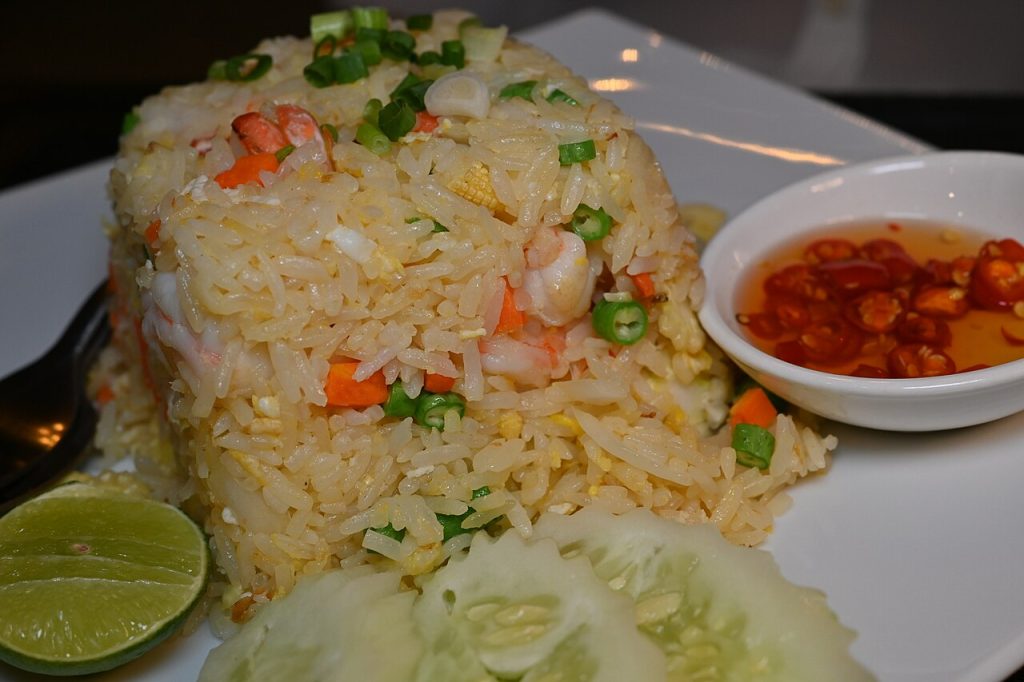
- Thai fried rice – use leftover rice, scrambled eggs, scallions, and a splash of soy sauce.
- Grilled skewers – marinate chicken or tofu in a mixture of fish sauce, lime juice, and minced garlic; grill until charred.
- Som tam (papaya salad) – shred green papaya, toss with lime juice, palm sugar, fish sauce, chilies, and crushed peanuts.
Conclusion
Thai cuisine offers endless flavor possibilities that can be achieved with a few key ingredients and simple techniques. By focusing on balance, using fresh aromatics, and practicing the quick steps above, you’ll be able to whip up authentic dishes that impress friends and family alike. Start with the basics, experiment with variations, and enjoy the vibrant journey of Thai cooking.