
Japanese cuisine is celebrated worldwide for its clean flavors, fresh ingredients, and mindful preparation. Whether you’re a seasoned cook or just starting out, the principles behind Japanese cooking can be applied to everyday meals. This guide distills the essential knowledge and practical tips that will help you create authentic Japanese dishes with confidence and ease.
1. The Basics of Japanese Ingredients
Understanding the core ingredients is the first step toward mastering Japanese food. The Japanese culinary philosophy revolves around seasonality, balance, and harmony of flavors.
- Rice – The staple of every meal. Use short‑grain Japanese rice for sticky, fluffy texture; cook it in a rice cooker or on low heat for best results.
- Seaweed – Nori, kombu, and wakame add umami and essential minerals. Nori is perfect for sushi rolls, kombu for dashi stock, and wakame for salads.
- Soy sauce & miso – Soy sauce provides saltiness, while miso (white, yellow, or red) offers depth. Store them in a cool, dark place.
- Fresh fish & seafood – Sashimi grade fish such as tuna, salmon, or yellowtail are key for raw dishes.
- Vegetables – Daikon radish, bamboo shoots, shiitake mushrooms, and Japanese eggplants are common.
These ingredients form the foundation of most dishes; keep them on hand and experiment with combinations.

2. Essential Tools & Prep Work
Japanese cooking emphasizes precision, so having the right tools can make a huge difference. Below is a list of must‑have items and prep steps that streamline the process.
- Sharp knife – A Japanese chef’s knife (sharpened to a 15‑30° angle) cuts cleanly and reduces waste.
- Rice cooker or steamer – For perfect rice and steamed vegetables.
- Mortar & pestle (usu. for miso) – Helps release flavors in sauces and marinades.
- Small cutting board – Dedicated board for fish keeps cross‑contamination minimal.
- Rice paddle – Keeps rice from sticking to the pot.
Prep Work: Slice all vegetables into uniform pieces for even cooking. Rinse fish gently under cold water and pat dry before cutting. Store miso in an airtight container to preserve its earthy aroma.
3. Simple Recipes to Try at Home
Start with dishes that highlight technique and flavor without requiring exotic ingredients. Each recipe below can be completed in under 30 minutes.
• Miso Soup with Tofu and Wakame
- Boil water, add kombu, then remove before it boils.
- Stir in miso paste and diced tofu.
- Add wakame; simmer for 2 minutes.
- Season with a splash of soy sauce and serve hot.
• Quick Teriyaki Chicken
- Marinate diced chicken breast in soy sauce, mirin, sugar, and grated ginger for 15 minutes.
- Pan‑fry until golden, then simmer until sauce thickens.
- Serve over steamed rice with a sprinkle of sesame seeds.
• Cucumber and Seaweed Salad
- Thinly slice cucumber and rinse wakame.
- Whisk vinegar, soy sauce, sesame oil, and a pinch of sugar.
- Toss cucumber and wakame in the dressing; chill for 10 minutes before serving.
4. Tips for Authentic Flavor
Authenticity comes from attention to detail. Keep these pointers in mind to elevate your dishes.
- Use dashi – A simple broth made from kombu and bonito flakes adds depth. Substitute with instant dashi powder if unavailable.
- Balance umami, sweet, and salty – Japanese cuisine thrives on harmony. Adjust seasonings gradually and taste frequently.
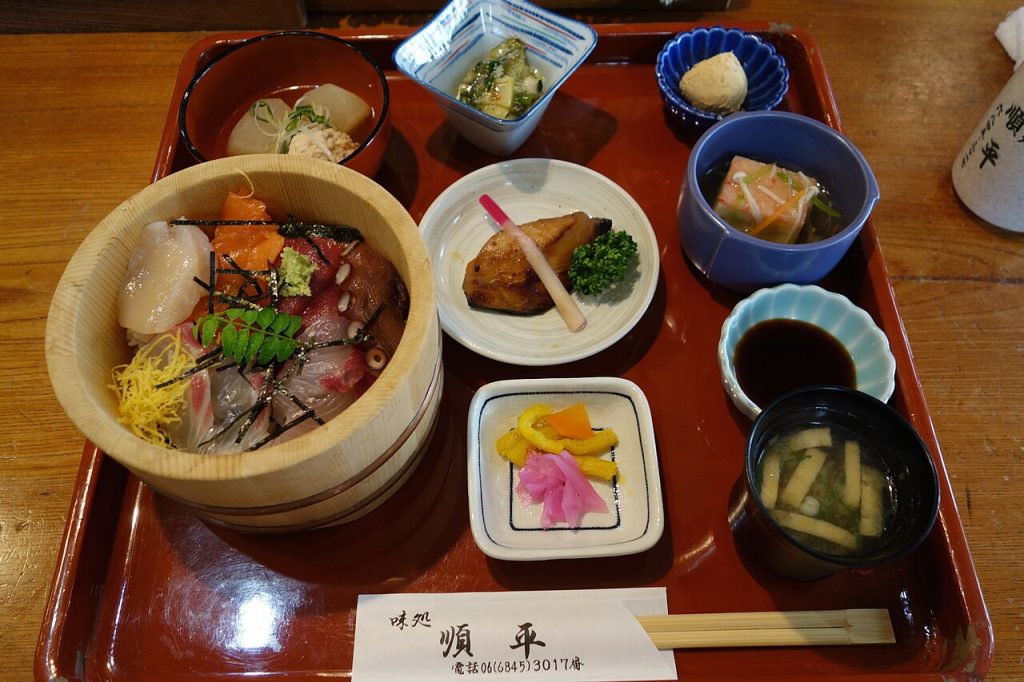
- Presentation matters – Arrange food in a visually pleasing way. Use small bowls, plate in layers, and garnish with edible flowers or nori strips.
- Season with care – Add salt or soy sauce at the end of cooking to avoid over‑salting.
5. Quick Shopping List for a Japanese Kitchen
Build a pantry that supports a wide range of dishes.
- Short‑grain Japanese rice (1‑2 kg)
- Seaweed (nori sheets, kombu, wakame)
- Miso paste (white or yellow)
- Soy sauce, mirin, sake
- Fresh fish (sashimi grade) or pre‑cut options
- Vegetables: daikon, bamboo shoots, shiitake, Japanese eggplant
- Rice vinegar, sesame oil, sugar
- Basic tools: chef’s knife, rice cooker, mortar & pestle
Conclusion
Japanese cooking is as much an art as it is a science. By mastering the basics of ingredients, tools, and flavor balance, you can create meals that are both authentic and approachable. Start small, experiment freely, and enjoy the process of bringing the taste of Japan into your home kitchen.