
Intro
Japanese food is celebrated for its fresh flavors, balanced nutrition, and elegant presentation. Yet many people feel it’s too complex or requires hard‑to‑find ingredients. The truth is, you can start cooking Japanese dishes right now with simple pantry staples and a few thoughtful techniques. This guide delivers practical, step‑by‑step tips that will help you enjoy authentic Japanese meals without the stress.
1. Understanding Basic Japanese Ingredients
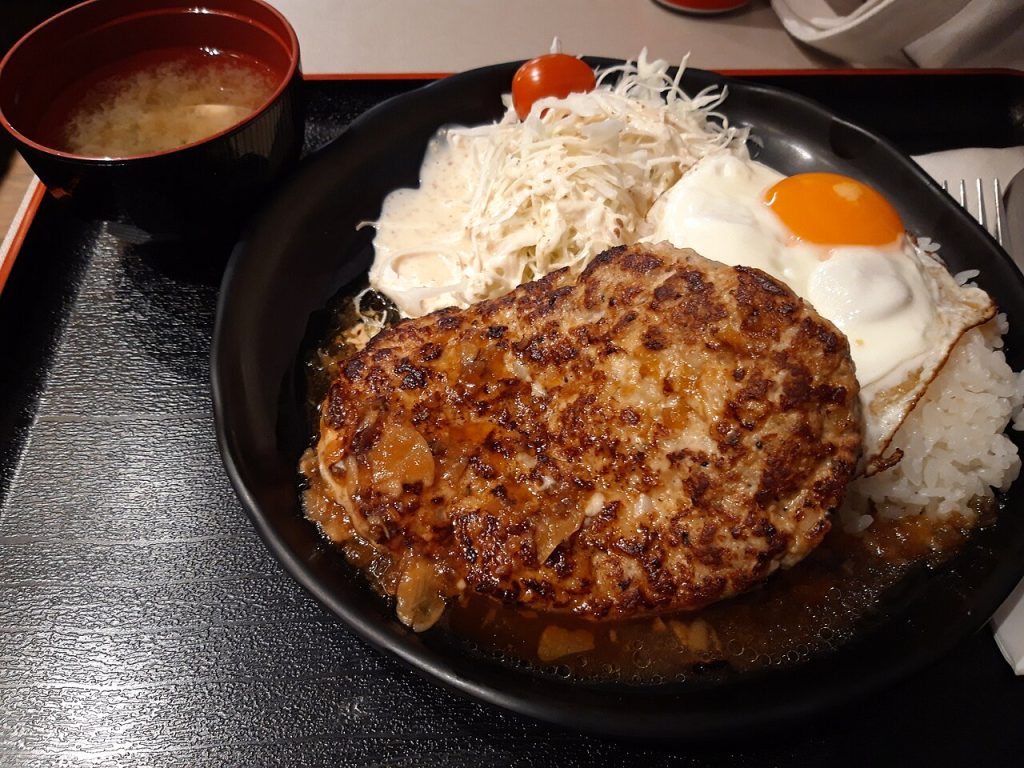
Before you dive into recipes, familiarize yourself with the core building blocks of Japanese cuisine. These items appear in almost every dish and form the foundation of flavor.
- Soy sauce (shoyu) – use low‑sodium for a healthier base.
- Miso paste – a fermented soybean spread that adds umami to soups and sauces.
- Mirin – a sweet rice wine; if unavailable, a splash of rice vinegar plus sugar works.
- Rice vinegar – essential for pickles and sushi rice seasoning.
- Wasabi and pickled ginger – add a sharp, clean finish to sushi.
- Fresh nori sheets – ideal for sushi rolls and wraps.
Stocking these basics allows you to experiment freely. Store them in a cool, dry place; many last for months.
2. Mastering Rice & Seasonings
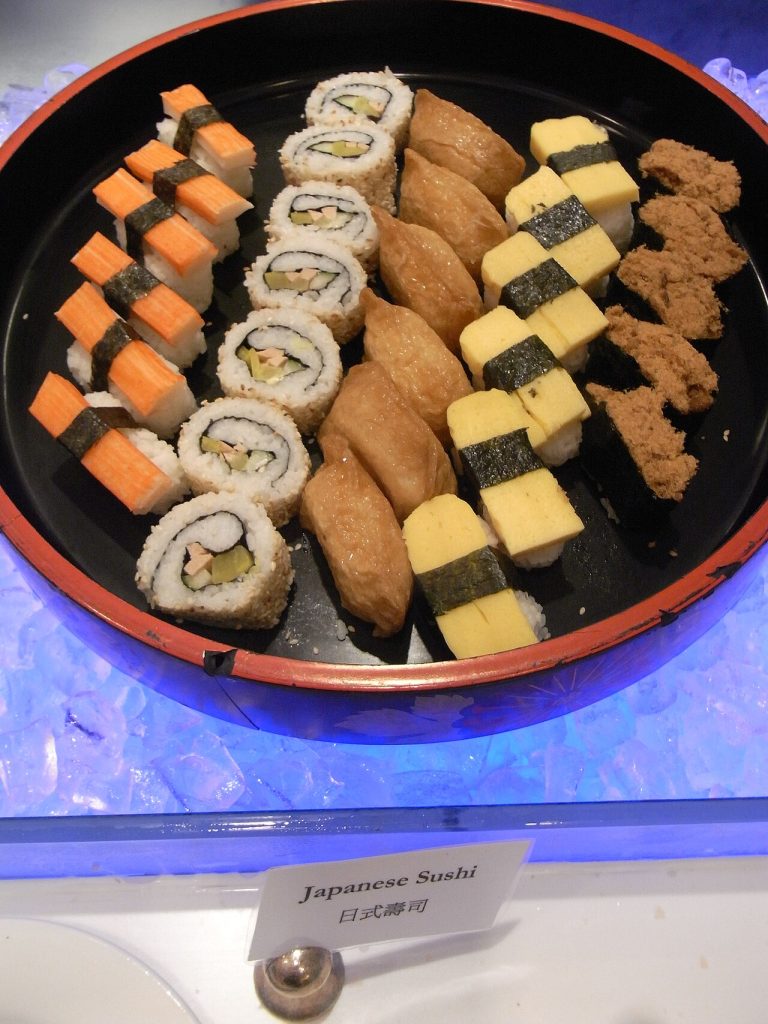
Rice is the heart of Japanese meals. Achieving the perfect texture requires a few key steps.
- Rinse the rice until the water runs clear to remove excess starch.
- Use a rice cooker or a pot with a tight‑lidded lid. The ratio 1:1.2 (rice to water) works for short‑grain varieties.
- Let the rice rest for 10 minutes after cooking; this prevents it from becoming mushy.
- Season with a mix of rice vinegar, sugar, and salt (1 tablespoon vinegar, 1 teaspoon sugar, 1/2 teaspoon salt per cup of cooked rice).
For an extra pop, stir in a handful of finely chopped scallions or a splash of sesame oil.
3. Quick & Healthy Japanese Snacks
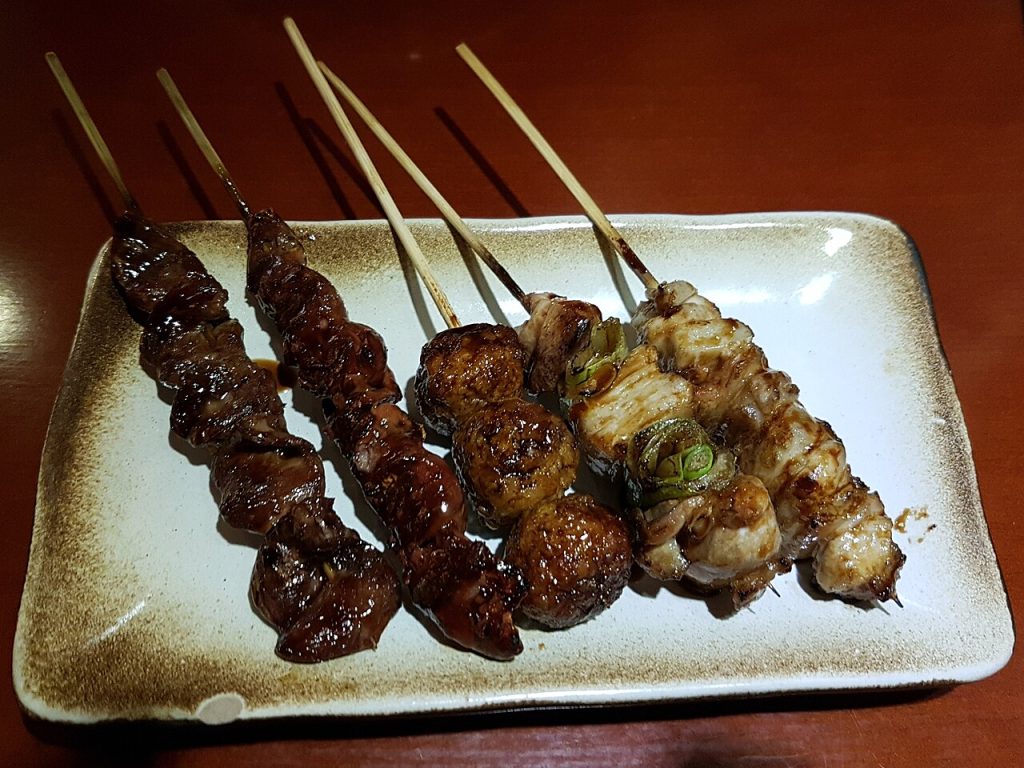
Japanese snacks are both tasty and nutritious, making them perfect for on‑the‑go meals.
- Miso soup – blend miso paste with dashi stock and add tofu cubes, seaweed, and green onions. Ready in 5 minutes.
- Edamame – boiled soybeans sprinkled with sea salt; rich in protein and fiber.
- Pickled vegetables – quick pickles of cucumber, daikon, or carrots in rice vinegar, sugar, and salt.
- Rice crackers (senbei) – homemade by baking seasoned rice flour sheets; add seaweed flakes for extra umami.
These snacks can be prepared ahead and stored in airtight containers.
4. Building a Balanced Japanese Meal
A typical Japanese plate follows the “rice, protein, vegetable, soup, and pickles” pattern. Here’s a simple template you can customize.
- Rice – seasoned sushi or plain steamed.
- Protein – grilled teriyaki chicken, tofu, or a slice of sashimi.
- Vegetable – sautéed spinach with garlic, steamed broccoli, or a fresh salad.
- Soup – miso or clear dashi with seaweed.
- Pickles – quick pickled cucumber or tsukemono.
Arrange each component in small bowls or on a single plate for a visually pleasing, healthful dish.
5. Tips for Authentic Taste at Home
Authentic flavor comes from technique, not just ingredients.
- Use a sharp knife – ensures clean cuts and reduces moisture loss.
- Keep your wok or skillet hot – sears meats quickly, locking in juices.
- Practice the “ten” rule for ramen – let the broth simmer for 10 minutes to deepen flavor.
- Finish with fresh herbs – add shiso leaves or a sprinkle of toasted sesame seeds just before serving.
- Experiment with umami boosters – a dash of bonito flakes or a touch of MSG can elevate simple dishes.
Remember, Japanese cooking values simplicity. Focus on ingredient quality, and let each element shine.
Conclusion
With these practical tips, you can bring the taste and health benefits of Japanese cuisine into your everyday cooking routine. Start by stocking the essentials, mastering the rice, and experimenting with quick snacks. Soon, you’ll discover that Japanese food is not only delicious but also accessible, making it a perfect addition to any culinary repertoire.