
Indonesia is a culinary treasure trove, with over 17,000 islands offering a dizzying array of flavors, textures, and aromas. Whether you’re a seasoned traveler or a home cook eager to explore, this article gives you practical, ready‑to‑use tips to bring the taste of Indonesia into your everyday life.
1. Understanding Indonesian Flavor Profile
Indonesian cuisine balances sweet, salty, spicy, and sour notes in a way that feels both harmonious and adventurous. The foundation of most dishes is a fragrant base of aromatics—garlic, shallots, lemongrass, galangal, and bay leaves—followed by a blend of spices that can include cumin, coriander, turmeric, and, uniquely, pandan leaf for a subtle sweetness.
- Sweetness often comes from palm sugar or coconut milk.
- Sourness is introduced with tamarind, lime, or vinegar.
- Umami is built with fermented fish sauces, shrimp paste, and dried anchovies.
- Heat comes from fresh chilies or dried chili flakes.
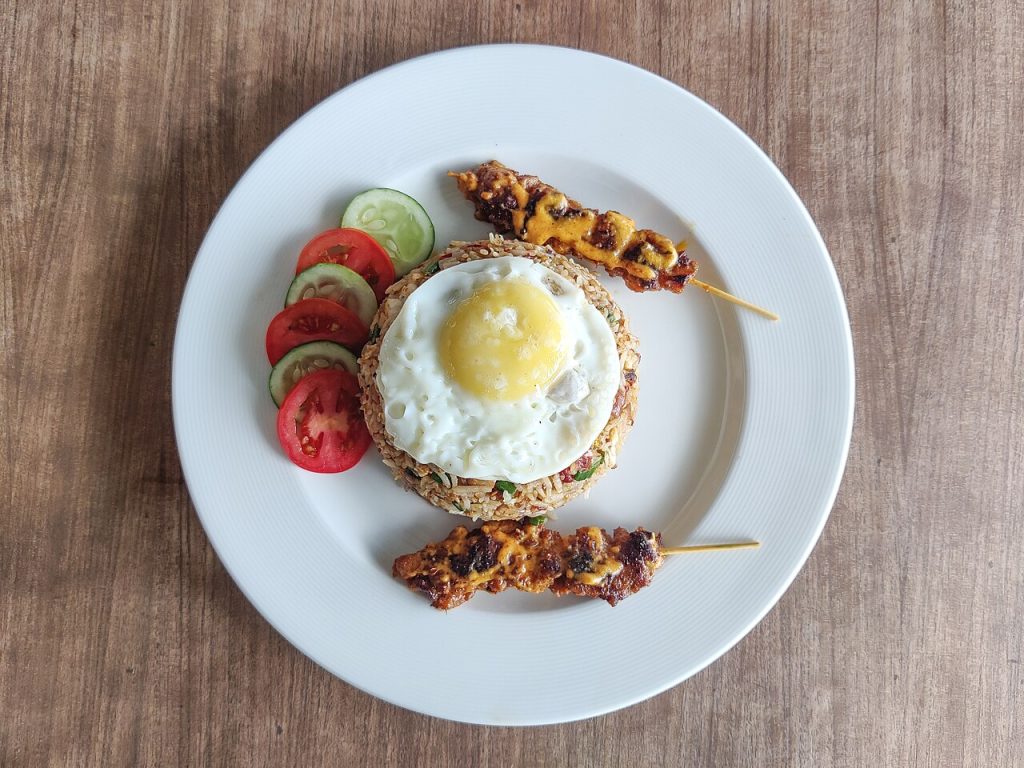
Getting a feel for this balance is the first step toward mastering Indonesian cooking. Try tasting a simple dish like nasi goreng (fried rice) and note how each element plays a role. This awareness will guide you when you experiment with new recipes.
2. Essential Spices & Ingredients
Below is a concise list of must‑have spices and pantry staples that will unlock authentic Indonesian flavors. Keep these in a cool, dry place.
- Fresh chilies (cayenne, bird’s eye)
- Palm sugar (gula jawa) or brown sugar
- Fish sauce (kecap ikan)
- Shrimp paste (terasi)
- Turmeric powder & fresh turmeric root
- Coriander seeds & cumin seeds
- Galangal & lemongrass (fresh or dried)
- Pandan leaves (fresh or powdered)
- Coconut milk (canned or fresh)
- Red curry paste & green curry paste
- Rice vinegar or tamarind paste for acidity
When shopping, look for small, local spice shops or markets. They often carry freshly ground spices, which make a noticeable difference in flavor compared to pre‑ground options.
3. Quick Recipes & Prep Hacks
Time constraints shouldn’t stop you from enjoying authentic Indonesian dishes. Here are two quick recipes that can be prepared in 30 minutes or less.
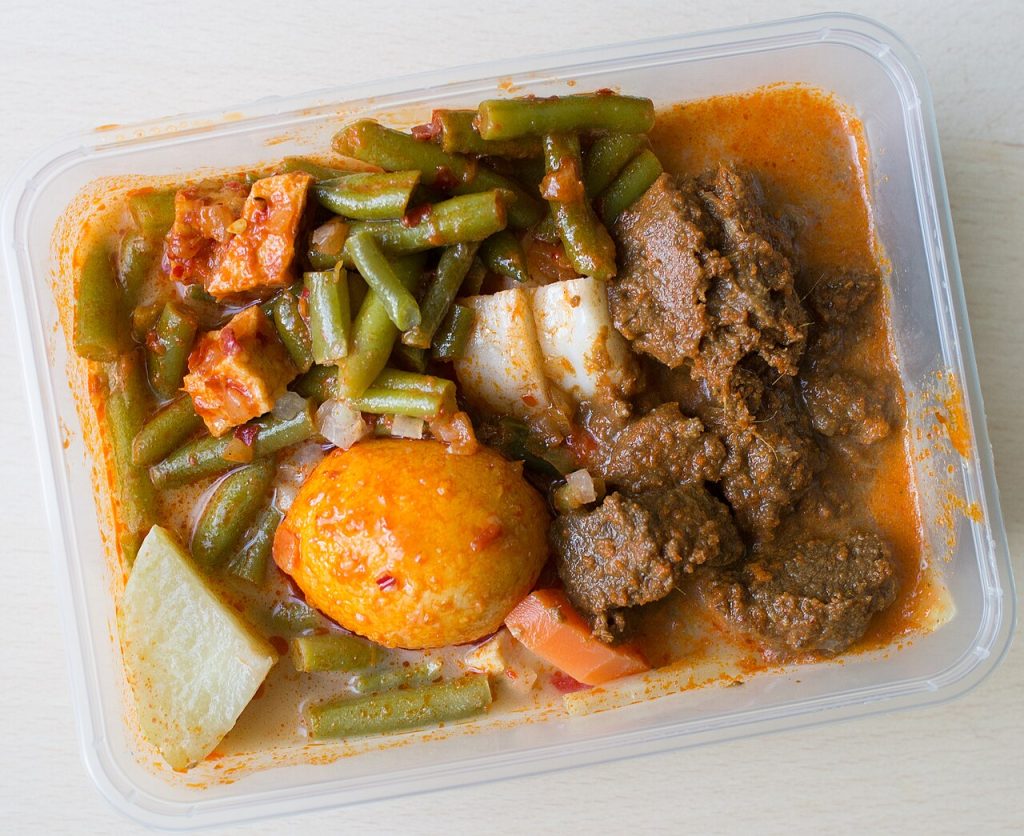
Quick Padang Beef Rendang (5‑minute version)
- Ingredients: beef cubes, coconut milk, ground spices (turmeric, coriander, cumin), sliced shallots, fresh chilies, lime juice, salt.
- Method: Sauté shallots and chilies, add spices, then beef. Pour in coconut milk and simmer until the sauce thickens. Finish with lime juice and a pinch of salt. Serve over steamed rice.
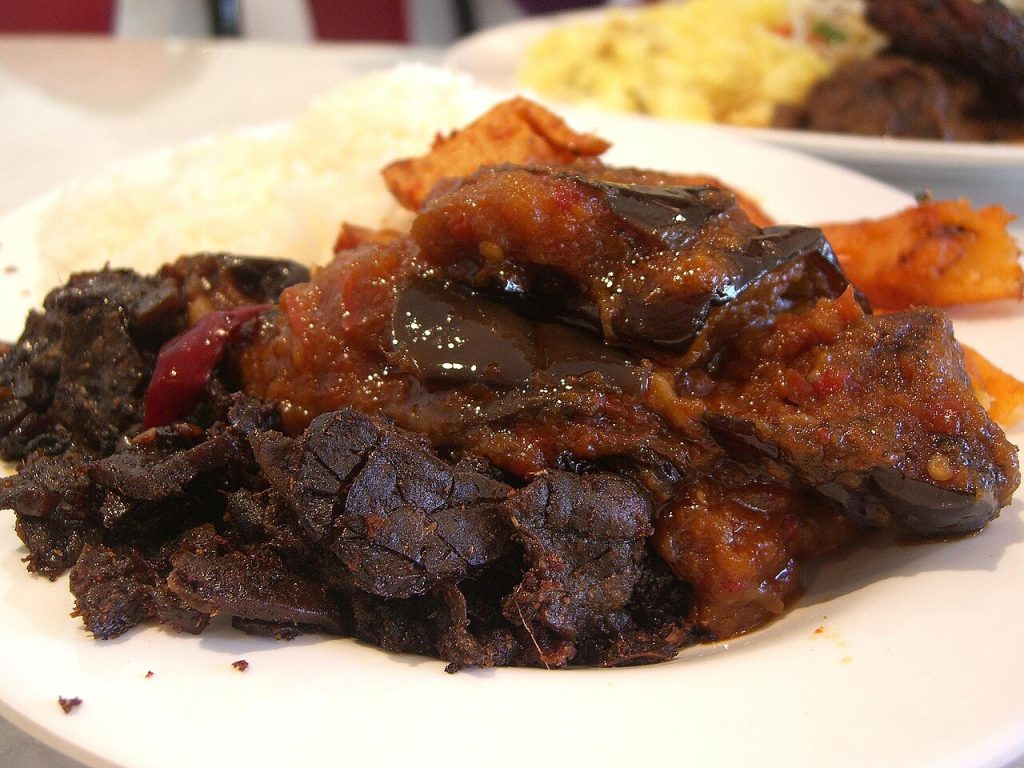
Street‑Style Sambal Goreng Tempe (15‑minute version)
- Ingredients: tempeh cubes, diced tomatoes, onion, garlic, fresh chilies, tamarind paste, palm sugar, fish sauce.
- Method: Fry tempeh until golden, set aside. In the same pan, sauté onion, garlic, chilies, then add tomatoes and spices. Mix in tamarind paste, palm sugar, and fish sauce. Return tempeh to the pan and simmer for 5 minutes.
Tips to save time:
- Pre‑cut vegetables and keep them in airtight containers.
- Use pre‑ground spice blends for instant flavor.
- Cook rice in bulk and reheat; Indonesian dishes pair well with plain steamed rice.
4. Eating Out Like a Local
Indonesia’s street food scene is vibrant. Here are etiquette tips that will help you enjoy meals respectfully and safely.
- Order small portions. Food is often served family‑style; you can take home leftovers.
- Use a fork and spoon. The spoon is for rice and soup, the fork for cutting.
- Accept a small tip. A 5–10% tip is customary for good service.
- Check for hygiene. Look for vendors that cook food fresh in front of you.
- Ask for the sauce. If you prefer less heat, request a milder version of the dish.
When you order, a simple “tolong” (please) followed by the dish name goes a long way. Enjoy the lively atmosphere and let the aroma guide you.
5. Shopping & Storage Tips
Buying fresh ingredients can be challenging in unfamiliar markets. Use these practical tips to make the most of your grocery trips.
- Buy fresh chilies in the cooler part of the market; they’ll keep longer when stored in a paper bag.
- For coconut milk, choose a small carton for daily use; larger cans can be frozen in portions.
- Purchase fresh lemongrass and cut it into 1‑inch pieces; store in a sealed container in the fridge.
- Use a silicone baking mat to keep tempeh or tofu from sticking when pan‑frying.
- Keep a small spice jar with pre‑measured packets of commonly used spices; this reduces waste and saves time.
When you’re ready to experiment, these tips will help you gather ingredients efficiently and keep them fresh.
Conclusion
Indonesia’s culinary landscape is both diverse and accessible. By understanding the core flavor profile, stocking essential spices, practicing quick recipes, eating respectfully in local settings, and mastering shopping shortcuts, you’ll be able to enjoy authentic Indonesian dishes wherever you are. Start today, and let each bite transport you to the bustling streets of Jakarta, the tranquil rice paddies of Bali, or the fragrant spice markets of Maluku. Happy cooking!