
Cooking Chinese food at home can feel intimidating, but with a few practical tips, you can create dishes that taste like they come from a bustling street market or a family kitchen in Beijing. This guide breaks down the essentials of Chinese cooking into simple, actionable steps that anyone can follow.
Understanding Key Ingredients
Chinese cuisine relies on a handful of core ingredients that provide depth and authenticity. Knowing how to use them will make a noticeable difference in your dishes.
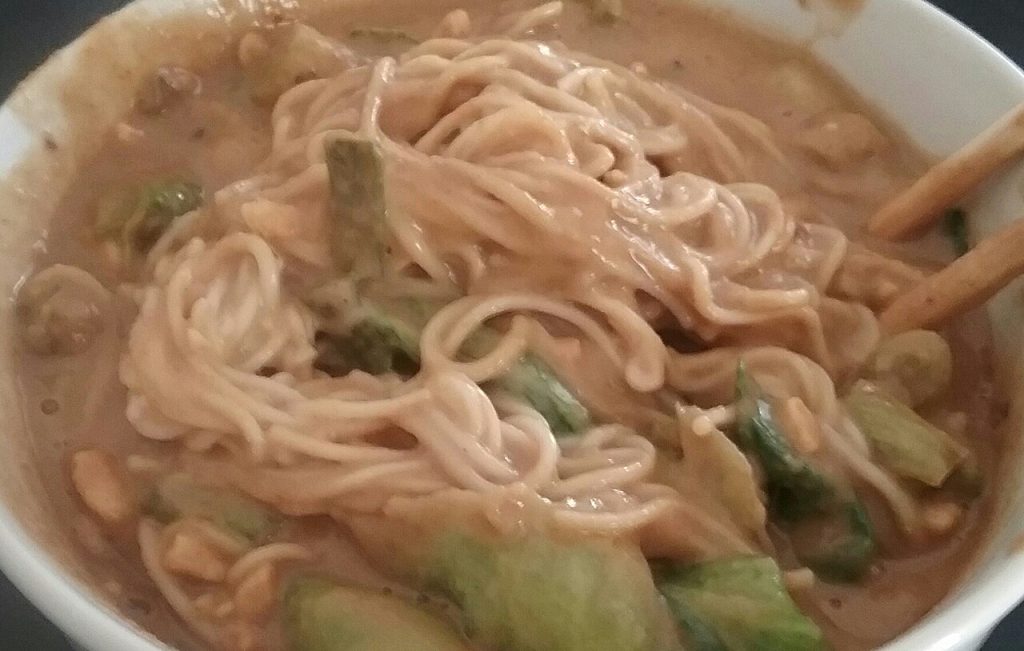
- Rice and Noodles: Choose the right grain for each dish. Jasmine rice pairs well with aromatic sauces, while rice noodles are perfect for soups and stir‑fries.
- Soy Sauce Variants: Light soy sauce adds saltiness, while dark soy sauce brings color and sweetness. Keep both on hand.
- Worcestershire and Shaoxing Wine: These add umami and depth. If unavailable, use a splash of dry sherry or a dash of balsamic vinegar.
- Fresh Aromatics: Ginger, garlic, scallions, and star anise form the flavor base. Slice ginger thinly to avoid overpowering the dish.

Mastering Stir‑Fry Techniques
Stir‑fry is the cornerstone of many Chinese dishes. The key is high heat, quick cooking, and constant movement.
Preparation Is Everything
Before heating the wok, have all ingredients sliced, measured, and ready. This prevents uneven cooking and ensures a consistent texture.
Heat Management
Use a wok or a wide skillet. Preheat until the surface shimmers, then add a small amount of oil with a high smoke point, such as peanut or vegetable oil.
Cooking Sequence
- Start with aromatics: add garlic, ginger, and scallions.
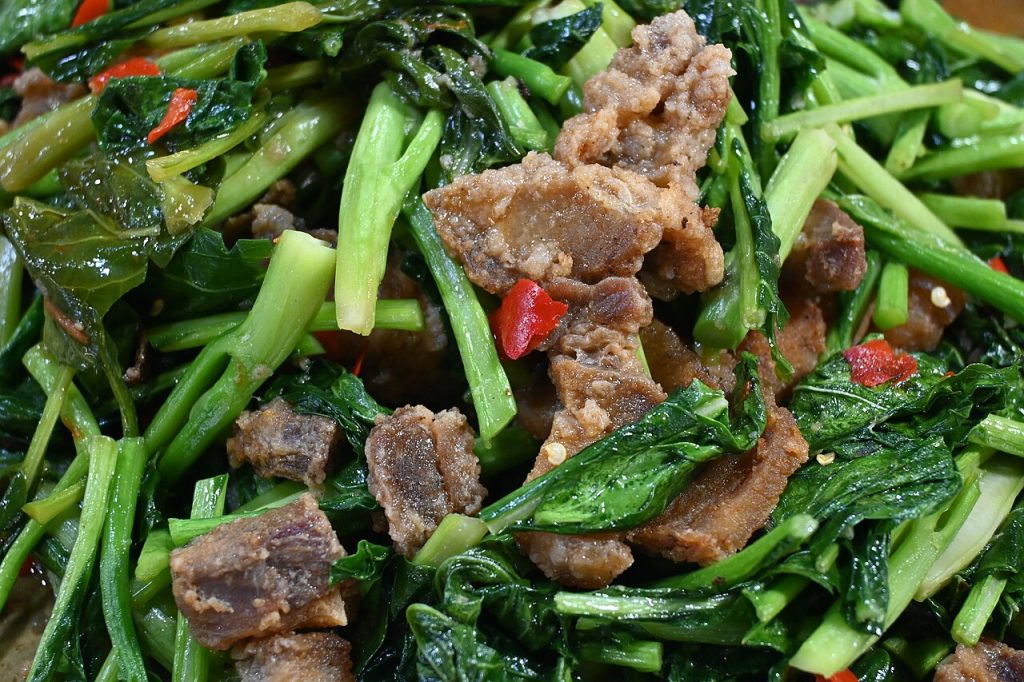
- Introduce proteins: chicken, beef, or tofu, cooking until just browned.
- Add vegetables: hard vegetables first (carrots, broccoli), then softer ones (bell peppers, snow peas).
- Finish with sauces: pour soy sauce, oyster sauce, and a splash of water or stock.
Flavor Balancing Basics
Chinese dishes often rely on the harmony of sweet, salty, sour, and umami. Balancing these flavors is essential for a memorable meal.
- Sweetness: Use sugar, honey, or hoisin sauce sparingly to round out acidity.
- Sourness: A squeeze of fresh lime or a dash of rice vinegar brightens the dish.
- Saltiness: Soy sauce and fish sauce provide depth; taste as you go.
- Umami: Mushrooms, fermented bean paste, and oyster sauce add richness.
Tip: Taste the sauce before adding it to the wok. Adjust with a pinch of sugar or a splash of vinegar to achieve balance.
Time‑Saving Prep Hacks
Efficiency in the kitchen saves time and reduces stress. These hacks help you stay organized and keep your dishes fresh.
- Batch Marinating: Marinate proteins in advance and store in the fridge. This infuses flavor and cuts down cooking time.
- Pre‑Cut Vegetables: Use a mandoline or sharp knife to slice vegetables uniformly. Store them in airtight containers to keep crisp.
- One‑Pot Meals: Combine rice, protein, and vegetables in a single pot for a complete meal with minimal cleanup.
- Use a Food Processor: Quickly chop garlic, ginger, and scallions into a fine paste.
Serving and Presentation Ideas
Presentation matters, especially in Chinese cuisine where visual appeal reflects the dish’s quality.
- Use Colorful Bowls: Serve dishes in bowls that contrast with the food, making the colors pop.
- Garnish Wisely: Sprinkle toasted sesame seeds, chopped cilantro, or sliced scallions for texture and aroma.
- Portion Control: Offer small, bite‑size portions for dim‑sum style dishes, encouraging sharing and variety.
Common Mistakes to Avoid
Even seasoned cooks can fall into pitfalls that compromise flavor and texture.
- Over cook ing Vegetables: Keep vegetables crisp by adding them later in the stir‑fry and cooking for only a minute or two.
- Using Too Much Oil: A thin layer is enough; excess oil can make the dish greasy.
- Ignoring Heat: Low heat can cause ingredients to steam rather than sear, losing flavor.
- Skipping the Sauce: A well‑balanced sauce is the heart of Chinese cooking; don’t skip it for convenience.
Conclusion
With these practical tips, you can confidently explore Chinese cuisine from your own kitchen. By mastering key ingredients, mastering the stir‑fry, balancing flavors, saving time, and presenting beautifully, you’ll create dishes that delight both the palate and the eye. Start small, experiment, and enjoy the journey of discovering the rich flavors of Chinese cooking.