
Chinese cooking is celebrated for its vibrant flavors, balanced textures, and quick preparation. Whether you’re a seasoned cook or just starting out, these practical tips will help you bring authentic Chinese dishes to your table with confidence.
Understanding the Basics of Chinese Cooking
At its core, Chinese cuisine relies on the five fundamental cooking techniques: stir‑fry, steaming, braising, deep‑fry, and braising. Each method preserves nutrients and maximizes flavor while keeping prep time short. For beginners, mastering the stir‑fry is a great starting point—heat the wok, add oil, then work quickly to lock in color and aroma.
Essential Tools & Ingredients
While you can cook Chinese dishes without a wok, having the right equipment makes a noticeable difference. A high‑heat stainless steel wok, a pair of heat‑resistant silicone tongs, and a bamboo steamer are the core tools. For ingredients, keep a pantry stocked with:
- Starch: rice, rice noodles, or udon.
- Protein: chicken breast, pork tenderloin, tofu, or shrimp.
- Vegetables: bok choy, snow peas, bell pepper, carrot, and mushrooms.
- Flavor bases: ginger, garlic, scallions, and dried chili flakes.
- Condiments: soy sauce, oyster sauce, hoisin sauce, sesame oil, and rice vinegar.
Strong aromatics and a balanced sauce are key. A simple ratio of 2 parts soy sauce to 1 part water, with a splash of sesame oil and a pinch of sugar, creates a versatile base for most stir‑fries.
Quick Tips for Authentic Flavor
1. Use a Wok‑Fire Technique
Start with a pre‑heated wok. Add a thin layer of oil, then swirl it around. This creates a slightly smoky char on vegetables without burning them. The high heat also helps retain crunch and bright color.
2. Keep Ingredients Cut Evenly
Uniform pieces cook at the same rate, preventing overcooked veggies and undercooked proteins. Slice protein thinly against the grain for quick, tender results.
3. Add Liquid at the Right Moment
When stir‑frying, pour sauces in the last 30 seconds. This allows the sauce to coat the ingredients without steaming them, preserving texture.
4. Finish with Fresh Aromatics
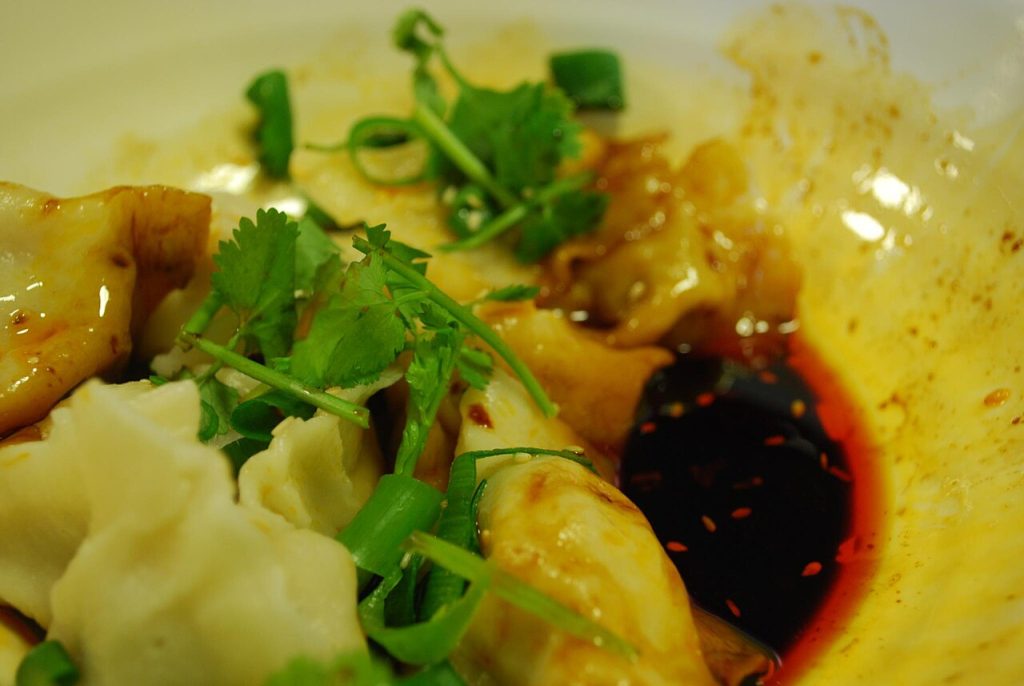
Just before serving, drizzle a little sesame oil and sprinkle chopped scallions or cilantro. The fresh scent brightens the dish instantly.
Meal Planning & Recipe Ideas
Planning a weekly menu around versatile Chinese staples can simplify grocery shopping and reduce waste. Here are three core dishes that can be adapted for any occasion:
- Stir‑fried Tofu with Broccoli – a vegetarian option that’s protein‑rich and can be swapped with shrimp or chicken for a protein boost.
- Kung Pao Chicken – spicy, sweet, and crunchy; store the sauce separately for a quick weeknight meal.
- Vegetable Fried Rice – use day‑old rice, add any leftover veggies, and finish with soy and sesame oil for a satisfying side.
Batch‑cook rice or noodles in advance, and store sauces in the fridge. That way, you can assemble a full meal in 10‑15 minutes.
Common Mistakes & How to Avoid Them
Even seasoned cooks can fall into these pitfalls:
- Overcrowding the wok – leads to steaming instead of stir‑frying. Cook in small batches.
- Using low‑heat oil – prevents the quick sear needed for crisp vegetables.
- Adding sauces too early – causes sauces to reduce into a syrupy glaze. Wait until the last seconds.
- Ignoring salt balance – Chinese sauces are naturally salty; adjust seasoning as you go.
Conclusion
With the right tools, a few foundational techniques, and a handful of flavor hacks, you can whip up authentic Chinese dishes that impress and satisfy. Keep your pantry stocked, practice your wok skills, and don’t be afraid to experiment. Soon, you’ll find that Chinese cooking isn’t just a cuisine—it’s a creative, fast‑paced way to enjoy fresh, vibrant meals at home.