
Chinese cuisine is celebrated worldwide for its vibrant flavors, varied textures, and balanced nutrition. Whether you’re a seasoned cook or just starting out, a few simple techniques can elevate your home cooking to restaurant‑level quality.
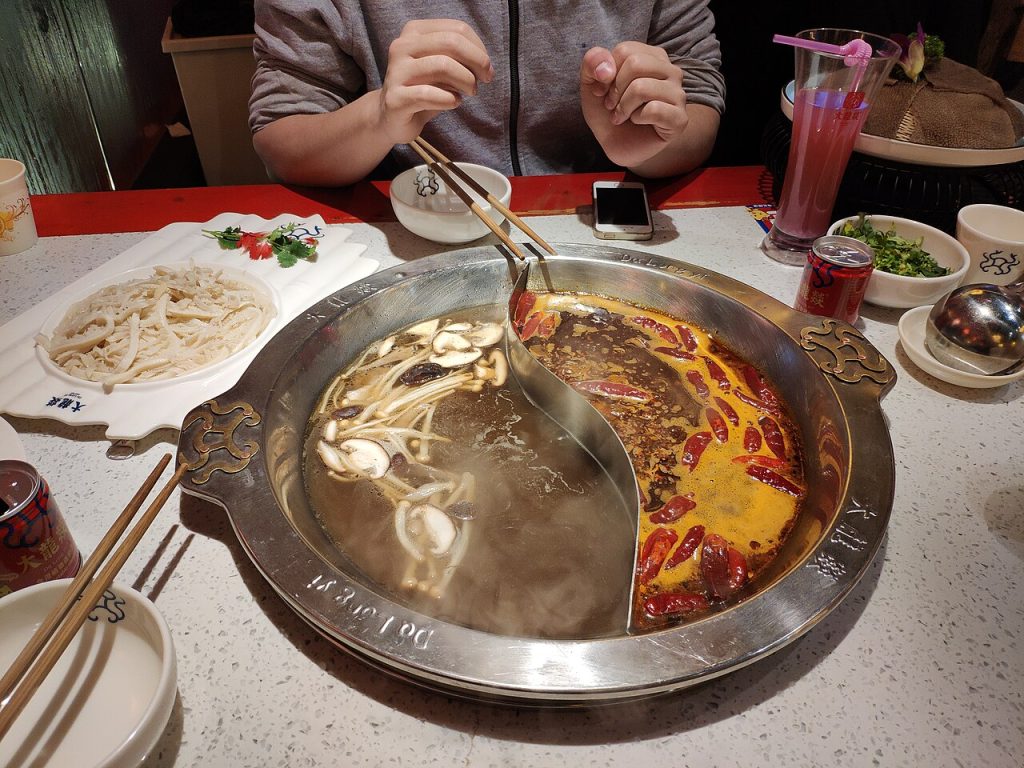
Understanding Chinese Cooking Basics
Essential Tools
A few kitchen tools make all the difference. Wok is the cornerstone for stir‑frying, while a sturdy steel or carbon steel skillet works well for pan‑frying. A wooden spoon keeps sauces from sticking, and a spatula with a curved edge helps you stir without damaging delicate ingredients.
Key Ingredients
Stock your pantry with these staples: soy sauce (light and dark), rice vinegar, oyster sauce, chili oil, ginger, garlic, and scallions. For authenticity, keep a small jar of five‑spice powder and a container of star anise on hand. Fresh produce—bok choy, snow peas, and shiitake mushrooms—adds crunch and nutrition.
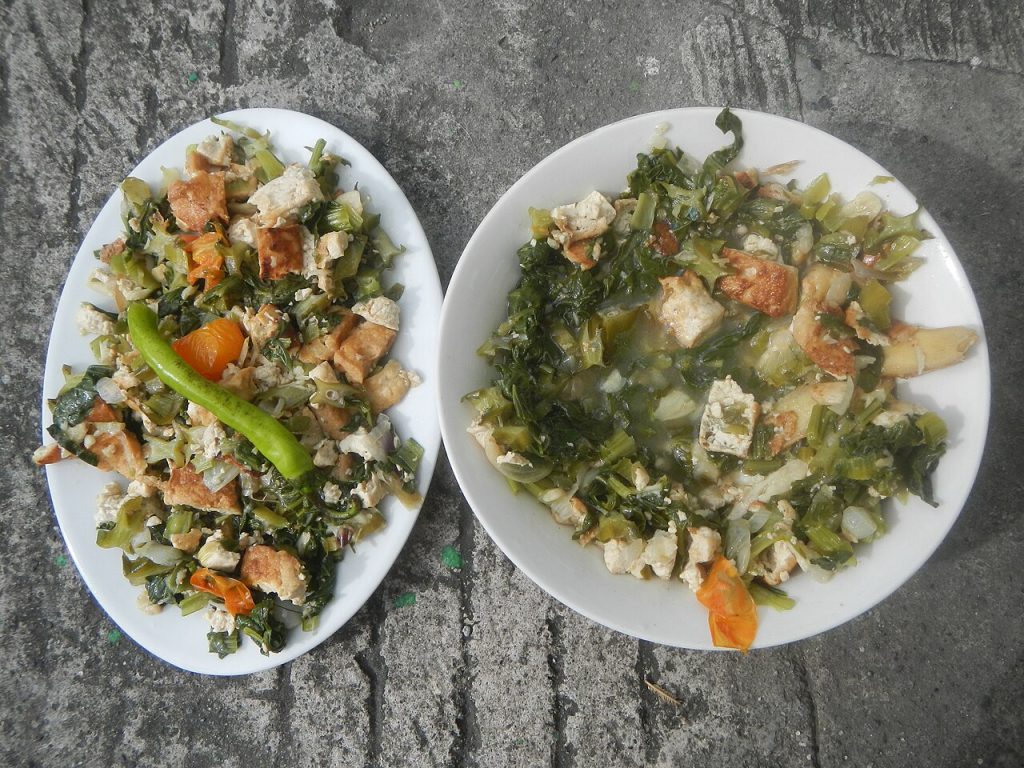
Practical Kitchen Hacks for Authentic Flavor
Use a Wok for Even Heat
The wide, sloping shape of a wok distributes heat quickly. Preheat it over high flame until it’s almost smoking, then add a splash of oil. This technique keeps vegetables crisp and meat tender. Avoid overcrowding; cook in batches so the temperature doesn’t drop.
Master the Five‑Spice Blend
Five‑spice powder is the backbone of many Chinese sauces. Mix equal parts star anise, cloves, cinnamon, fenugreek, and szechuan peppercorns for a homemade version. Toast it lightly before adding to sauces to release its aroma.
Keep Ingredients Fresh
Freshness is key. Store leafy greens in a damp paper towel and wrap them in a plastic bag to keep them crisp. Marinate proteins with a splash of soy sauce and rice wine a few minutes before cooking—this tenderizes and infuses flavor.
Quick & Easy Recipes for Busy Days
Stir‑Fried Noodles
Ingredients: wide rice noodles, bean sprouts, carrots, garlic, scallions, soy sauce, oyster sauce, chili oil.
- Boil noodles until al dente, drain, and toss with a little sesame oil.
- Heat wok, add oil, then garlic and carrots; stir for 30 seconds.
- Add bean sprouts, noodles, soy sauce, oyster sauce, and chili oil.
- Finish with scallions and a squeeze of lime.
Mango Shrimp with Chili
Ingredients: shrimp, ripe mango, red bell pepper, green onion, ginger, garlic, soy sauce, rice wine, cornstarch.
- Marinate shrimp in soy sauce, rice wine, and a pinch of cornstarch.
- Sauté garlic, ginger, and red pepper in hot oil.
- Add shrimp and cook until pink.
- Fold in mango cubes and green onions; stir until heated through.
- Serve over jasmine rice.
Common Mistakes to Avoid
Overcooking Vegetables
Vegetables should be crisp‑tender. Use high heat and quick tossing; keep them moving in the wok. If they’re soggy, the oil has cooled too much.
Too Much Soy Sauce
It’s easy to drown a dish in salty liquid. Use a light hand; you can always add more later. Balance with a splash of rice vinegar or a pinch of sugar to cut the saltiness.
Conclusion
With the right tools, a few key ingredients, and simple techniques, you can transform everyday meals into authentic Chinese dishes. Practice the hacks above, experiment with flavors, and soon you’ll find yourself cooking Chinese cuisine with confidence and flair.