
Chinese cuisine is celebrated for its bold flavors, fresh ingredients, and quick, balanced cooking techniques. Whether you’re a beginner or a seasoned home cook, mastering a few core principles can transform your meals. Below, we break down the most practical Chinese food tips you can start using today.
Master the Basics of Chinese Cooking
At the heart of every Chinese dish lies a few essential staples: rice or noodles, a simple stir‑fry sauce, and crisp vegetables. Understanding how these elements work together will give you a solid foundation.
- Rice & Noodles: Use short‑grain or medium‑grain rice for fluffy textures. For noodles, choose fresh or high‑protein varieties; they hold up better during high‑heat cooking.
- Soy Sauce & Stir‑Fry: Keep a light and dark soy sauce on hand. Light soy adds saltiness without depth, while dark soy provides color and sweetness.
- Fresh Vegetables: Opt for quick‑cooking greens like bok choy, snow peas, and bell peppers. Wash them thoroughly to avoid grit, especially with leafy greens.
Knife Skills & Prep
Speed and precision in the kitchen are achieved through proper knife techniques. Mastering a few cuts will reduce prep time and improve texture.
- Julienne: Cut vegetables into thin matchsticks for even cooking. A good julienne takes about 30 seconds once you’re comfortable.
- Chop: For stir‑fry, keep pieces uniform. This ensures that everything cooks at the same rate and prevents soggy bites.
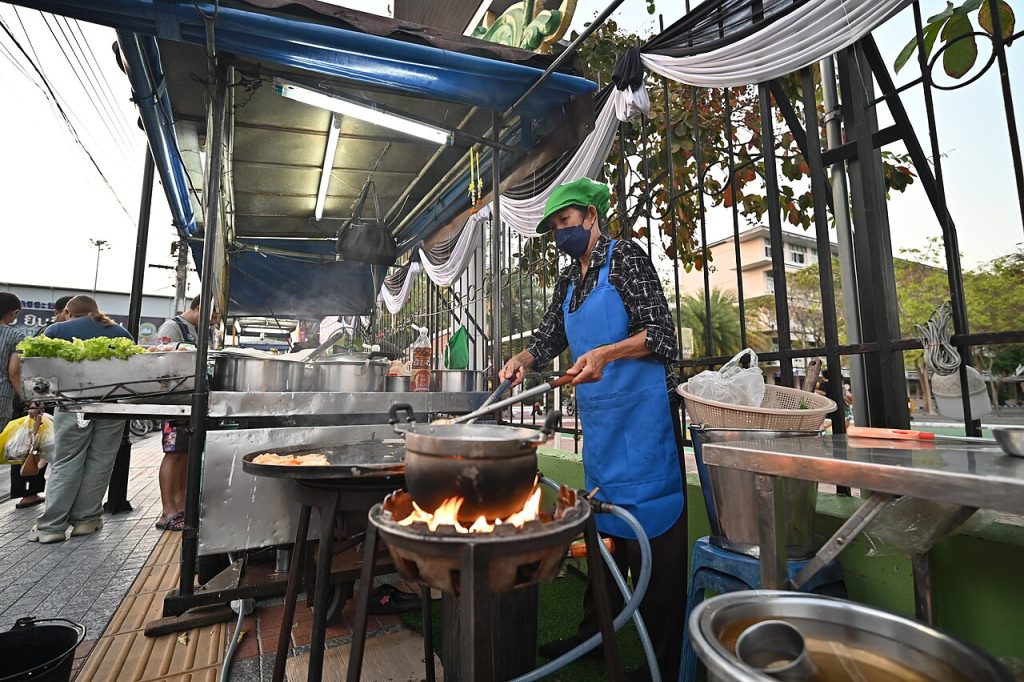
- Wok Prep: Heat the wok before adding oil. A properly heated wok gives you a quick sear and locks in flavor.
Flavor Building Blocks
Chinese dishes thrive on a few key flavor components. Learning how to combine them will make your cooking feel authentic.
- Five Spices: A pinch of star anise, cloves, cinnamon, Sichuan peppercorns, and fennel seeds creates a fragrant base. Use sparingly; the goal is subtle warmth.
- Aromatics: Ginger, garlic, and scallions form the backbone of most sauces. Toast them briefly to release their oils before adding liquids.
- Umami: Toasted sesame oil, oyster sauce, and fermented bean paste add depth. Add these at the end of cooking to preserve their complex notes.
Quick & Easy Recipes
Here are three simple dishes that showcase the techniques above and can be made in under 30 minutes.
One‑Pot Egg Fried Rice
- Cook rice a day ahead and chill.
- Heat oil in a wok, scramble beaten eggs, then set aside.
- Stir‑fry garlic, scallions, and frozen peas; add rice, soy sauce, and sesame oil.
- Return eggs, toss, and serve hot.
Shrimp with Broccoli
- Sauté minced garlic and ginger; add shrimp until pink.
- Push shrimp to the side, add broccoli florets, then deglaze with a splash of water.
- Finish with soy sauce, oyster sauce, and a dash of sugar.
Mapo Tofu
- Heat oil, add ground pork and fermented bean paste until fragrant.
- Introduce diced tofu, a splash of broth, and a pinch of Sichuan peppercorns.
- Simmer until the sauce thickens; garnish with scallions.
Common Mistakes & How to Avoid Them
Even seasoned cooks can fall into these traps. Being aware will keep your dishes tasting their best.
- Overcooking Vegetables: Add veggies in stages; quick‑cooking greens should be removed as soon as they wilt.
- Too Much Oil: Use a non‑stick wok and a small amount of high‑smoke‑point oil, such as peanut or canola.
- Salt Balance: Start with a small amount of soy sauce and adjust at the end. A dish can be over‑salted, but you can’t easily undo a bland one.
Conclusion
With these practical tips—understanding the basics, sharpening your knife skills, mastering flavor layers, trying quick recipes, and avoiding common pitfalls—you’ll find Chinese cooking both approachable and rewarding. Keep experimenting, and soon you’ll be creating dishes that taste like you’ve been in a bustling market for years.