Chinese cuisine is celebrated worldwide for its vibrant flavors, diverse textures, and balanced nutrition. Whether you are a seasoned cook or just starting, mastering a few key techniques can transform your home meals into memorable experiences. This guide offers practical, step‑by‑step advice that you can start using today.
Understanding Chinese Cuisine
Chinese food is not a single dish but a collection of regional styles, each with its own signature ingredients and cooking methods. The four major culinary traditions are Cantonese, Sichuan, Shandong, and Hunan. Knowing the basics of these styles helps you choose the right sauces, spices, and techniques for any recipe.
Key Flavor Foundations
- Five‑Spice Powder – a blend of star anise, cloves, cinnamon, Sichuan peppercorns, and fennel seeds that adds warmth and complexity.
- Shaoxing Wine – a Chinese cooking wine that deepens flavor without adding alcohol taste.
- Fermented Bean Pastes – doubanjiang (spicy bean paste) and fermented black bean sauce provide umami and depth.
- Rice Vinegar – milder than Western vinegar, it balances sweetness and acidity.
These staples form the backbone of many dishes, and having them on hand makes cooking quick and authentic.
Essential Ingredients for Your Pantry
Stocking a well‑equipped pantry saves time and ensures you can whip up a dish whenever inspiration strikes.
Staple Grains and Noodles
- Rice – jasmine or long‑grain for everyday meals.
- Starch‑based Noodles – wheat noodles for lo mein, rice vermicelli for stir‑fry, and egg noodles for soups.
Proteins
- Chicken – thighs or breast, cut into bite‑sized pieces.
- Pork – shoulder or belly, sliced thin.
- Seafood – shrimp, scallops, or fish fillets.
Vegetables and Aromatics
- Garlic, Ginger, Scallions – the aromatic trio for most stir‑fries.
- Bell Peppers, Broccoli, Snow Peas – colorful, crisp vegetables that hold up to high heat.
Kitchen Tools That Make a Difference
Chinese cooking often relies on high heat and quick movements. Having the right tools ensures safety and efficiency.
- Wok – the classic pan for stir‑frying, deep‑frying, and steaming.
- Stir‑Fry Spatula – a wide, flat utensil that keeps ingredients moving.
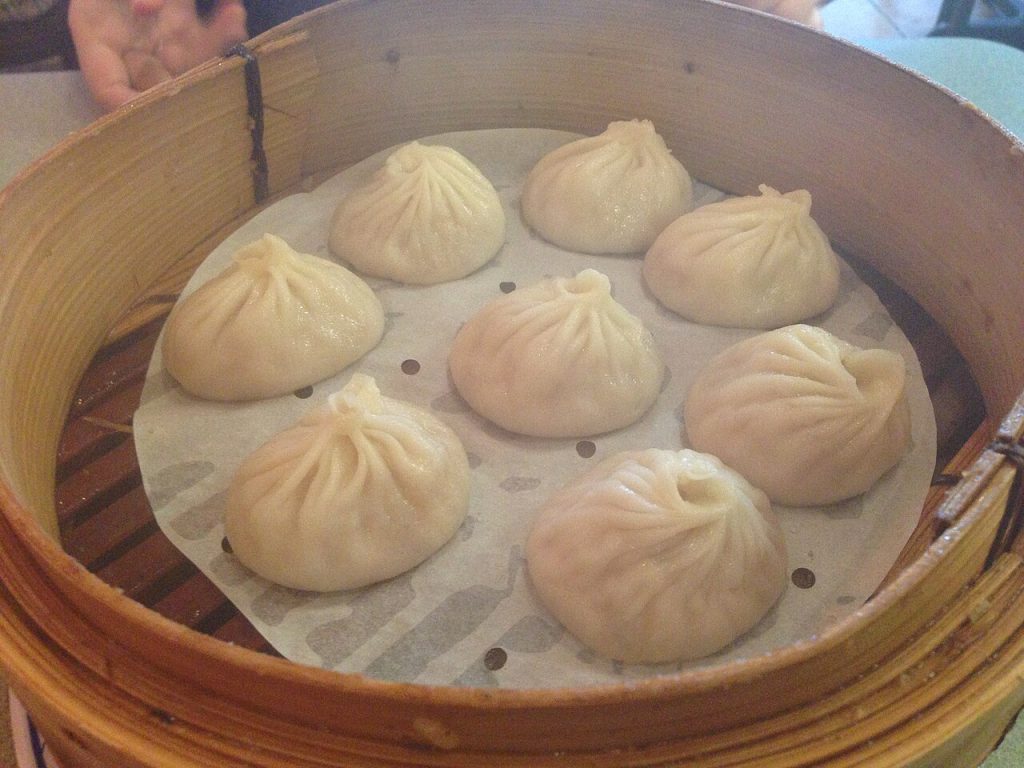
- Steamer Basket – perfect for dim sum, dumplings, and steamed fish.
Practical Tips for Home Cooking
These techniques help you achieve authentic textures and flavors without a professional kitchen.
Master the Stir‑Fry
1. Prep All Ingredients Before Heating – stir‑frying is a race against time.
2. Use High Heat – a hot wok caramelizes sugars and locks in moisture.
3. Add Liquids Last – pour sauces at the end to avoid steaming.
Achieve Perfect Dumplings
1. Use a Rolling Pin – roll dough thin to prevent tearing.
2. Seal Edges with Water – a small drop of water keeps the wrapper from drying.
3. Steam Until Firm – check for a slight wobble before serving.
Balancing Flavors
Start with a base of soy sauce, add a splash of rice vinegar, finish with a pinch of sugar, and adjust with chili oil or sesame oil for depth.
Quick Recipes to Try Today
These dishes are simple, satisfying, and showcase the diversity of Chinese cooking.
Kung Pao Chicken
- Ingredients: diced chicken, dried chilies, Sichuan peppercorns, peanuts, scallions, garlic, ginger, soy sauce, rice vinegar, sugar, cornstarch.
- Method: stir‑fry aromatics, add chicken until browned, toss in chilies and peppercorns, pour sauce, thicken with cornstarch, finish with peanuts.
Vegetable Fried Rice
- Ingredients: cooked rice, mixed vegetables, eggs, soy sauce, sesame oil, scallions.
- Method: scramble eggs, set aside, stir‑fry vegetables, add rice, pour sauce, mix in eggs, drizzle sesame oil.
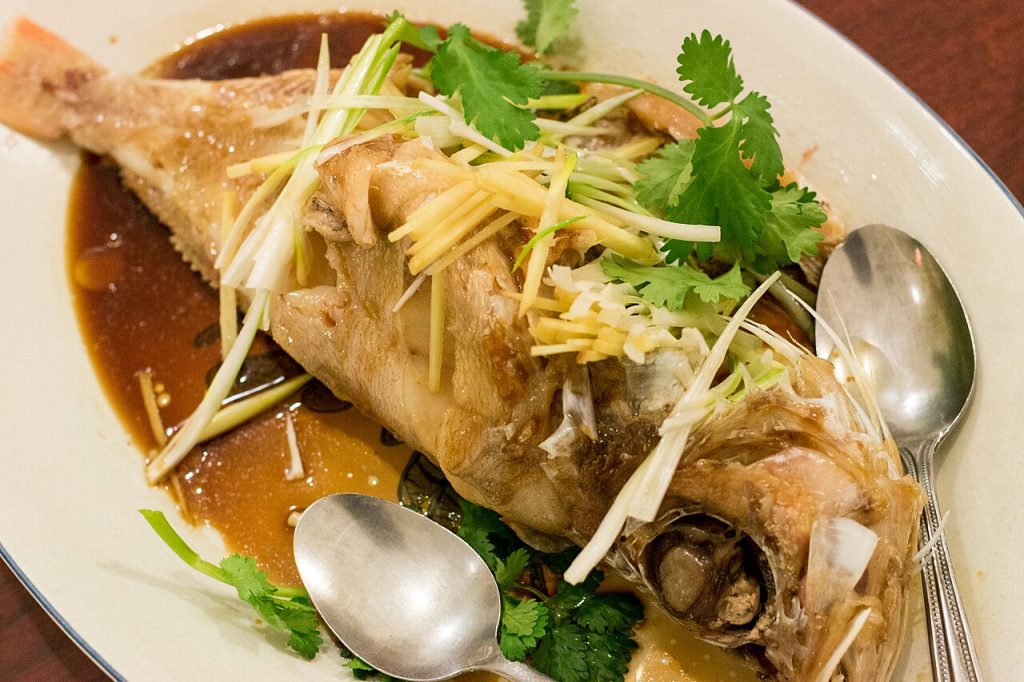
Steamed Fish with Ginger and Scallions
- Ingredients: whole fish, ginger slices, scallions, soy sauce, Shaoxing wine, sesame oil.
- Method: season fish, place ginger and scallions inside, steam until opaque, drizzle sauce and sesame oil.
Common Mistakes and How to Avoid Them
Even experienced cooks can slip into habits that compromise flavor or texture.
- Over cook ing Vegetables – keep them crisp by using a blast of high heat.
- Using Too Much Sauce – sauces can become sticky; add gradually.
- Not Pre‑heating the Wok – a cold wok leads to uneven cooking.
Conclusion
Chinese cooking is accessible when you focus on a few core principles: a well‑stocked pantry, proper tools, and precise techniques. By applying these practical tips, you can create dishes that honor tradition while fitting into your daily routine. Start with the recipes above, experiment with flavors, and soon you’ll find yourself cooking Chinese cuisine with confidence and flair.